










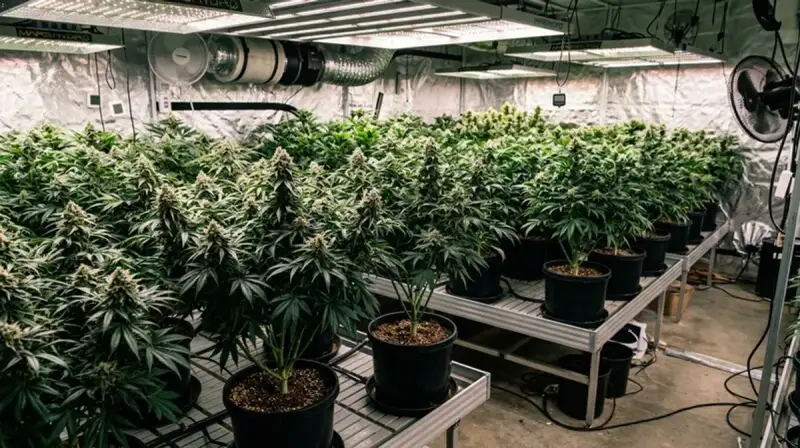
Hermaphrodite Cannabis Plants: Causes and What to Do
Everything you need to know about identifying, preventing, and managing hermaphrodite cannabis plants — before they ruin your harvest.
- What it is: A cannabis plant that develops both female flowers (buds) and male reproductive structures (pollen sacs or bananas) on the same plant.
- Why it matters: A single hermaphrodite can pollinate an entire crop, filling buds with seeds and dramatically reducing cannabinoid quality and yield.
- Primary causes: Environmental stress — light leaks, heat, irregular watering, nutrient toxicity, physical damage, and poor genetics.
- Tools needed: Magnifying loupe (30–60x), sharp sterile scissors, isopropyl alcohol spray, black plastic trash bags, and a detailed grow journal.
- Best time to inspect: Every day during the first 3–4 weeks of the flowering stage, especially after any stressful event.
- Key distinction: Bananas (nanners) release pollen immediately; traditional pollen sacs give you slightly more time to act.
Introduction to Cannabis Hermaphrodite Plants
Cannabis is naturally a dioecious plant species, meaning individual plants are typically either male or female. Female plants produce the cannabinoid-rich flowers that consumers seek, while male plants produce pollen used for seed production. However, under certain conditions — genetic predisposition, environmental stress, or both — a female cannabis plant can develop male reproductive organs. This is called hermaphroditism, and it is one of the most feared problems in a cannabis garden.
When a female plant "goes hermaphrodite," it produces pollen sacs or elongated banana-like stamens called nanners within or alongside its buds. Left unchecked, these structures release pollen that fertilizes not only the affected plant but potentially every other female plant in your grow space. Pollinated females divert energy away from resin and cannabinoid production toward seed development, resulting in seedy, lower-potency buds and a significantly reduced harvest. Understanding hermaphroditism is essential knowledge for anyone serious about cannabis cultivation.
The good news is that hermaphroditism is largely preventable with good environmental management and quality genetics. And even when it does occur, catching it early allows you to take decisive action that can save the rest of your crop. This guide walks you through everything: what causes it, how to identify it, step-by-step management, and how to prevent it in future grows. Whether you're growing popular strains indoors or cultivating outdoors in a legal state, this knowledge is non-negotiable.
"A single overlooked pollen sac can undo weeks of careful cultivation. The grower who inspects daily during flowering is the grower who consistently harvests quality buds."
Step-by-Step Guide to Identifying and Managing Hermaphrodite Plants
Managing hermaphroditism is a process that begins with prevention and ends with decisive action if prevention fails. Follow these numbered steps carefully to protect your garden.
- Start with quality, feminized genetics. The single most effective preventive measure is sourcing seeds or clones from reputable breeders. Look for strains with documented stable genetics. Feminized seeds produced through professional colloidal silver or STS methods from stable mother plants carry much lower hermaphrodite risk than poorly bred stock. Check our strain guide for vetted cultivar information.
- Dial in your environment before flipping to flower. Hermaphroditism is almost always stress-triggered. Before switching to a 12/12 light schedule, ensure your temperature stays between 70–85°F (21–29°C) during lights-on and no lower than 60°F (15°C) during lights-off. Humidity should be in the 40–50% range during flowering. Any inconsistency becomes a stressor that can trigger male organ development.
- Eliminate all light leaks immediately. Light stress during the dark period is one of the top causes of hermaphroditism. Even a brief light leak during the 12-hour dark cycle can send hormonal signals that trigger pollen sac development. Inspect your grow tent or room meticulously before and during flowering. Use a flashlight inside the dark tent to spot any pinhole leaks.
- Begin daily visual inspections at the start of flowering. From day one of the flowering stage, arm yourself with a 30–60x jeweler's loupe or a digital microscope and examine every bud site, especially where branches meet the main stem and inside the canopy where light is lower. Know what healthy calyxes with white pistils look like, and learn to distinguish them from the round, grape-like pollen sacs of hermaphroditism.
- Identify the structure type: pollen sacs or nanners. Pollen sacs are round, bulbous structures on a small stalk — they look like a tiny bunch of grapes and are often yellow-green. Nanners (banana-shaped stamens) are elongated, yellow, and grow directly from inside bud tissue. Nanners are more immediately dangerous because they have no protective casing and can release pollen immediately. Both require urgent action.
- Remove or quarantine the affected plant immediately. If you identify any pollen sacs or nanners, act within hours. If the hermaphroditism is limited to one or two isolated sites on a single plant, you may be able to carefully remove those structures with sterile scissors and continue the grow with heightened monitoring. If multiple sites are affected or pollen sacs have already opened, the safest course is to remove the entire plant from your grow space immediately, placing it in a sealed plastic bag before removal to prevent pollen dispersal.
- Mist remaining plants with water. If you suspect pollen may have been released, lightly misting your remaining female plants with plain water can neutralize loose pollen and reduce the risk of widespread pollination. Do this before turning on lights if possible, as pollen disperses more readily in dry, warm air.
- Audit and address the stressor. After managing the immediate threat, conduct a root-cause analysis. Review your grow journal for the past 2–4 weeks and identify any stressful events: a temperature spike, a missed watering, a light schedule interruption, nutrient overfeeding, or physical damage. Correcting the underlying cause prevents recurrence in remaining plants.
| Parameter | Ideal Range | Risk Threshold | Consequence of Deviation |
|---|---|---|---|
| Lights-On Temperature | 70–82°F (21–28°C) | Above 90°F (32°C) | Heat stress triggers hermaphroditism |
| Lights-Off Temperature | 60–70°F (15–21°C) | Below 55°F (13°C) | Cold stress disrupts hormone balance |
| Relative Humidity (Flower) | 40–50% RH | Above 70% or Below 30% | Mold risk or drought stress |
| Dark Period Interruptions | Zero | Any light exposure | Hormonal disruption, male organ dev. |
| pH (soil) | 6.0–7.0 | Below 5.5 or Above 7.5 | Nutrient lockout → stress → hermie risk |
| Nutrient EC/PPM | 800–1,400 PPM (flower) | Above 2,000 PPM | Nutrient burn is a significant stressor |
Equipment and Supplies for Managing Hermaphrodite Plants
Having the right tools on hand before hermaphroditism strikes means you can act quickly and decisively. The following equipment is essential for any serious grower, whether you're cultivating for personal use in a legal state or working with a licensed operation. Always verify that your state's cannabis laws permit home cultivation before growing.
| Item | Purpose | Estimated Cost | Where to Buy |
|---|---|---|---|
| 30–60x Jeweler's Loupe | Magnified daily inspection of bud sites | $8–$30 | Online retailers, jewelry supply stores |
| Digital USB Microscope | High-resolution inspection with screen display | $25–$80 | Online retailers, electronics stores |
| Sterile Pruning Scissors | Removing isolated pollen sacs or nanners | $15–$40 | Garden centers, hydroponic shops |
| Isopropyl Alcohol (70%+) | Sterilizing scissors between cuts to prevent spread | $3–$8 | Drug stores, grocery stores |
| Heavy-Duty Black Trash Bags | Sealing and removing hermaphrodite plants | $5–$15 (box) | Hardware stores, grocery stores |
| Handheld Spray Bottle | Misting plants with water to neutralize loose pollen | $5–$15 | Garden centers, dollar stores |
| Digital Thermometer/Hygrometer | Continuous environment monitoring to catch stressors | $15–$50 | Garden centers, online retailers |
| Grow Journal or App | Logging daily observations to identify stress patterns | Free–$10 | App stores, notebook from any store |
Common Mistakes to Avoid
Even experienced growers make mistakes when dealing with hermaphrodite plants. Here are the most common errors and how to avoid them. For more foundational growing knowledge, visit our complete growing guide hub.