






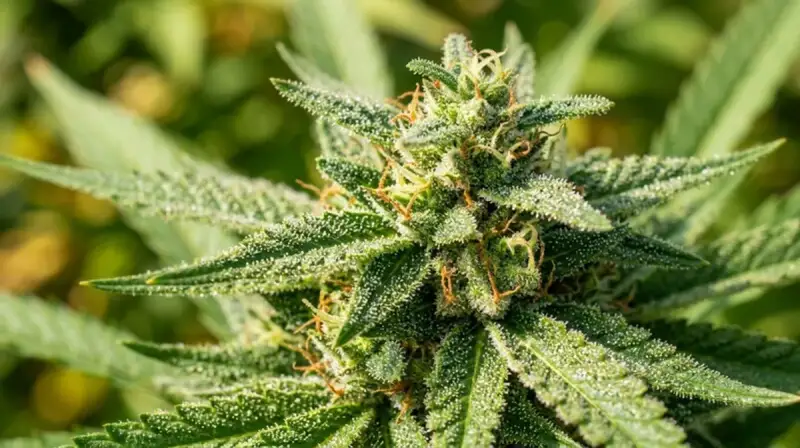
- Cannabis reduces intraocular pressure (IOP) by 25–30% via CB1 receptor activation in the trabecular meshwork and ciliary body — a well-established, reproducible effect.
- The IOP-lowering effect lasts only 3–4 hours, requiring 6–8 daily doses for continuous 24-hour control — making it clinically impractical compared to prostaglandin analogues that provide 24-hour IOP control from a single daily drop.
- CBD may increase IOP rather than lower it; a 2018 Indiana University study found CBD transiently elevated IOP in animal models — CBD-only products are therefore not appropriate for glaucoma management.
- The American Academy of Ophthalmology does not recommend cannabis as glaucoma therapy due to short duration, psychoactive side effects, and cardiovascular risk from continuous high-frequency dosing.
- CB1 receptors are found in the trabecular meshwork, ciliary body, retina, and optic nerve head — providing a clear biological rationale for IOP-lowering effects despite the practical limitations.
- Topical cannabinoid eye drop research using nanoparticle delivery systems represents the most promising future direction, potentially offering local IOP reduction without systemic psychoactivity.
- Glaucoma remains one of the most commonly listed qualifying conditions in US state medical cannabis programmes, reflecting patient demand that precedes and exceeds current clinical evidence.
Understanding Glaucoma and Intraocular Pressure
Glaucoma is a group of optic neuropathies defined by progressive loss of retinal ganglion cells and their axons, resulting in characteristic optic disc changes and visual field loss. It is one of the leading causes of irreversible blindness worldwide, affecting an estimated 80 million people globally. In the United States, over 3 million people live with glaucoma, and roughly half remain undiagnosed because the disease progresses silently in its early stages — often until significant, permanent vision loss has already occurred.
The most common form, primary open-angle glaucoma (POAG), is closely associated with elevated intraocular pressure (IOP). Understanding IOP is central to understanding the clinical relevance and limitations of cannabis-based interventions.
Aqueous Humor Dynamics and IOP
The eye continuously produces a clear fluid called aqueous humor from the ciliary body. This fluid circulates through the posterior chamber, passes through the pupil into the anterior chamber, and drains via the trabecular meshwork into Schlemm’s canal and ultimately the episcleral veins. In POAG, outflow resistance increases at the trabecular meshwork level, raising IOP. Normal IOP ranges from 10 to 21 mmHg. Readings consistently above 21 mmHg are classified as ocular hypertension; sustained IOP elevation compresses and damages optic nerve axons over years, producing the characteristic arcuate visual field defects of glaucoma.
Critically, IOP must be controlled across all 24 hours — not just during waking hours. Studies have shown that IOP naturally rises during sleep and early morning hours in many glaucoma patients, and that fluctuations in IOP (peak–trough variation) may be independently damaging to the optic nerve, beyond mean IOP alone. This 24-hour requirement is the fundamental clinical problem with cannabis-based IOP management.
Types of Glaucoma
Recognising the different forms of glaucoma helps contextualise how cannabis may or may not be relevant for each:
- Primary Open-Angle Glaucoma (POAG): Most common type; gradual trabecular meshwork dysfunction and slow IOP rise. Greatest focus of cannabis research.
- Angle-Closure Glaucoma: Drainage angle closes suddenly, causing acute severe IOP spikes. Requires immediate medical or surgical intervention; cannabis not appropriate.
- Normal-Tension Glaucoma: Optic nerve damage despite normal IOP, suggesting vascular or other mechanisms are primary drivers. IOP reduction may be less relevant; cannabis evidence essentially absent.
- Secondary Glaucoma: Elevated IOP from injury, uveitis, steroid use, or other conditions. Treatment addresses the underlying cause.
- Pigmentary / Exfoliative Glaucoma: Structural variants with high IOP spikes; conventional therapy superior.
The endocannabinoid system in the Eye
The eye is not merely a passive target of systemic cannabis effects — it contains its own robust endocannabinoid system. CB1 receptors are expressed in the ciliary body (the structure producing aqueous humor), the trabecular meshwork (the primary drainage tissue), the retinal ganglion cells, and the optic nerve head. CB2 receptors are also present, particularly in the uveal tract and retinal microglia. Endogenous cannabinoids including anandamide and 2-arachidonoylglycerol (2-AG) have been identified in aqueous humor, suggesting the ECS plays a physiological regulatory role in ocular fluid dynamics.
When THC binds to CB1 receptors in the ciliary body, it reduces aqueous humor production. When it binds to CB1 receptors in the trabecular meshwork, it may also improve outflow facility. Together, these effects reduce IOP by the well-documented 25–30% range. The biological mechanism is therefore well-established — the clinical problem is entirely one of pharmacokinetics and practical delivery.
THC vs. CBD: Critically Different Effects on IOP
A frequently misunderstood point in popular discussions of cannabis for glaucoma is the assumption that CBD — widely associated with cannabis-based health products — will lower eye pressure. The evidence indicates the opposite:
- THC: The primary psychoactive cannabinoid. Multiple studies confirm that THC administered via smoking, oral ingestion, or intravenous injection reduces IOP by 25–30% in approximately 60–65% of subjects. Effect onset is rapid (20–30 minutes via inhalation) but duration is short (3–4 hours).
- CBD: A 2018 study by Colasanti et al. at Indiana University found that CBD at 40 mg topically increased IOP by approximately 18% in mice, and may antagonise THC’s IOP-lowering effects via GPR18 or CB1 receptor modulation. This is a critical safety concern for any glaucoma patient using CBD-dominant products believing they are treating their condition.
- CBG (Cannabigerol): Emerging preclinical data suggests CBG may have neuroprotective properties in the retina via PPAR-gamma activation and that it does not increase IOP. However, human data on CBG and glaucoma remains absent.
- Nabilone (synthetic THC analogue): Produced IOP reduction in early studies but was abandoned due to unfavourable systemic side effect profile.
Why Cannabis Is Not Recommended as Glaucoma Treatment
The American Academy of Ophthalmology (AAO), the premier professional body for ophthalmologists in the United States, has issued a clear position statement: “The Academy recommends against using marijuana to treat glaucoma.” This position is echoed by the American Glaucoma Society, the European Glaucoma Society, and Glaucoma Research Foundation. Understanding their reasoning is essential for any patient considering cannabis as part of their glaucoma management.
The 24-Hour Problem
Effective glaucoma management requires IOP to be controlled continuously across all 24 hours. Night-time IOP spikes — which occur in the supine sleeping position due to impaired episcleral venous drainage — are particularly damaging to the optic nerve. Cannabis’s 3–4 hour IOP effect would require dosing at approximately midnight and 4am in addition to daytime doses to provide round-the-clock coverage. No clinical evidence demonstrates that patients can maintain such a schedule, and the chronic use required would produce profound neurological adaptation, tolerance, and deterioration in quality of life.
Cardiovascular Side Effects
THC causes acute tachycardia and systemic vasodilation, reducing blood pressure. In glaucoma — particularly normal-tension glaucoma — reduced systemic blood pressure can compromise ocular perfusion pressure (the difference between blood pressure and IOP), potentially worsening optic nerve ischaemia. This creates a paradox: even if THC lowers IOP, the simultaneous reduction in blood pressure may negate the benefit by also reducing blood supply to the optic nerve. Some evidence suggests low nocturnal blood pressure is a risk factor for normal-tension glaucoma progression — making nightly cannabis dosing potentially counterproductive.
Cognitive and Practical Impairment
THC produces cognitive impairment, psychoactive effects, and impaired motor function at doses sufficient to lower IOP. Chronic consumption at the frequency required for glaucoma management would result in persistent impairment incompatible with safe driving, occupational function, and quality of life. The side effect burden of a 6–8 times daily THC regimen would far exceed that of any approved glaucoma medication.
| Treatment | IOP Reduction | Duration of Effect | Dosing Frequency | Psychoactive | 24-Hour Control | AAO Recommendation |
|---|---|---|---|---|---|---|
| Prostaglandin analogues (latanoprost, bimatoprost) | 25–35% | 24 hours | Once daily (evening) | No | Yes | First-line |
| Beta-blockers (timolol) | 20–27% | 12 hours | Twice daily | No | Yes | First or second-line |
| CAIs (dorzolamide, brinzolamide) | 15–20% | 8–12 hours | 2–3x daily | No | With combination | Adjunctive therapy |
| Alpha-agonists (brimonidine) | 20–25% | 8 hours | 2–3x daily | No | With combination | Adjunctive therapy |
| Smoked/inhaled cannabis (THC) | 25–30% | 3–4 hours | 6–8x daily required | Yes | No | Not recommended |
| Oral/sublingual cannabis (THC) | Up to 30% | 4–6 hours | 4–6x daily required | Yes (stronger) | No | Not recommended |
The Case for Topical Cannabinoid Delivery
If the fundamental problem with cannabis and glaucoma is systemic pharmacokinetics rather than the IOP-lowering mechanism itself, the logical solution is targeted local delivery via topical eye drops. Topical cannabinoid delivery would theoretically provide direct IOP reduction in the eye while avoiding the psychoactive, cardiovascular, and cognitive side effects that make systemic cannabis impractical for glaucoma management.
The challenge is formulation chemistry. Cannabinoids are highly lipophilic (fat-soluble) molecules with poor water solubility. The cornea is covered by the aqueous tear film, and conventional eye drop vehicles are water-based. Standard cannabinoid solutions have extremely poor corneal penetration, rapid drainage via the nasolacrimal duct, and inconsistent bioavailability in the anterior chamber where aqueous humor is produced.
Novel Delivery Technologies
Pharmaceutical researchers have explored several approaches to overcome this barrier:
- Cyclodextrin complexes: Cyclodextrins are ring-shaped molecules that can encapsulate lipophilic drugs, improving their solubility in aqueous media. Several preclinical studies have demonstrated that THC-cyclodextrin complexes applied topically to rabbit eyes reduced IOP by 15–20% without detectable systemic exposure. A 2018 study by Iyer et al. in the Journal of Glaucoma documented this approach.
- Nanoparticle systems: Polymeric nanoparticles and liposomes can encapsulate cannabinoids and slowly release them through the corneal epithelium over hours, extending the duration of effect. Solid lipid nanoparticles containing CBD-related compounds have shown sustained IOP-lowering effects in preclinical models.
- Contact lens delivery: Drug-eluting contact lenses impregnated with cannabinoids have been investigated as a slow-release platform with direct corneal contact time. Results are early-stage but promising.
None of these topical cannabinoid delivery systems has yet completed Phase 3 clinical trials or received regulatory approval as of 2026. The research pipeline is active, and a topical cannabinoid eye drop offering sustained IOP reduction without systemic psychoactivity would represent a genuine clinical advance for glaucoma management.
Neuroprotection: An Underexplored Angle
Beyond IOP reduction, an emerging line of research focuses on whether cannabinoids might protect the optic nerve and retinal ganglion cells directly from the damage driven by glaucoma — a concept known as neuroprotection. This is particularly relevant because approximately 30–40% of glaucoma patients continue to progress despite adequate IOP control, suggesting that IOP-independent mechanisms of optic nerve damage are also at play.
Preclinical studies have demonstrated that cannabinoids — particularly CBD, THC, and the endocannabinoid 2-AG — protect retinal ganglion cells from excitotoxic, ischaemic, and oxidative damage in animal models. In a seminal 2002 study published in the Journal of Neuroscience, Pinar-Sueiro et al. showed that intravitreal injection of WIN55,212-2 (a synthetic cannabinoid) reduced retinal ganglion cell death following experimentally elevated IOP in rats. CBD has also shown direct neuroprotective activity in the retina via antioxidant mechanisms independent of IOP effects.
However, translating animal neuroprotection data to human clinical outcomes in glaucoma has historically been extremely difficult. Many compounds have demonstrated retinal neuroprotection in animals yet failed in human trials. Human clinical evidence for cannabinoid neuroprotection in glaucoma specifically remains absent as of 2026.
What to Tell Your Ophthalmologist
Patients who are using or considering cannabis for glaucoma should have an open conversation with their eye doctor. Several practical points are important:
- Disclose cannabis use: THC causes acute vasodilation and may temporarily affect IOP readings taken during an ophthalmology appointment if consumed within 4 hours prior. This could lead to falsely reassuring IOP measurements and under-treatment of glaucoma.
- Do not substitute cannabis for proven therapies: Stopping or reducing prescription eye drops in favour of cannabis-based products risks IOP elevation and irreversible optic nerve damage. Any treatment changes must be discussed with and supervised by a glaucoma specialist.
- Avoid CBD-only products for IOP management: Given the 2018 evidence that CBD may transiently increase IOP, patients should not rely on CBD eye drops, CBD oils, or CBD-containing products for glaucoma symptom management.
- Understand glaucoma is a 24-hour disease: Nighttime IOP control is as important as daytime control. Any treatment unable to provide continuous 24-hour IOP reduction is inherently inadequate as a primary glaucoma therapy.
- Ask about clinical trials: Patients interested in cannabinoid-based glaucoma therapy should enquire about eligibility for clinical trials of topical cannabinoid formulations, which represent the most evidence-directed path forward.