Medical cannabis legal since 2017 — no smoking permitted. State with highest US overdose rates considers cannabis harm reduction policy.
Key Findings — West Virginia Cannabis Laws
Recreational cannabis: Illegal — no adult-use program
Medical cannabis: Legal — SB 386 signed April 2017
Smoking prohibited: Even for medical patients — vape/oil/topical/capsules only
Possession (non-patient, under 1 oz): Misdemeanor — $1,000 / 90 days (first offense)
Possession (repeat offense): Enhanced misdemeanor up to 6 months / $3,000
Home cultivation: Illegal for all, including medical patients
OHFLAC oversight: Office of Health Facilities and Licensing and Certification
Current Legal Status in West Virginia
West Virginia has a medical cannabis program established by SB 386, signed by Governor Jim Justice in April 2017. However, the implementation was slow — dispensaries did not begin operating until 2021, about four years after the law was signed. The program is administered by the Office of Health Facilities and Licensing and Certification (OHFLAC) within the West Virginia Department of Health.
One notable restriction is that smoking cannabis is explicitly prohibited under West Virginia law, even for registered medical patients. This sets WV apart from many other medical states and limits patient options. Permitted consumption methods include vaporization (of concentrates or oils), tinctures, topicals, and capsules. The rationale cited was concern about respiratory health — ironic in a state with significant coal mining history and related lung disease issues.
Recreational legalization has no legislative pathway in West Virginia. The state’s Republican-controlled legislature has not advanced any bills toward adult-use sales, and no ballot initiative process exists at the statewide level for this type of reform.
Possession Penalties in West Virginia
West Virginia has no decriminalization for recreational cannabis possession. Criminal charges apply at all amounts for non-patients.
Amount / Offense
Charge
Max Penalty
Under 1 oz (first offense)
Misdemeanor
$1,000 / 90 days
Under 1 oz (second offense)
Misdemeanor (enhanced)
$3,000 / 6 months
Over 1 oz
Misdemeanor / potential felony
Enhanced penalties
Distribution / delivery
Felony (Class 3)
1–5 years
Larger trafficking amounts
Felony (Class 2)
5–15 years
Valid medical patient (within program limits)
Legal
No penalty
West Virginia’s courts have diversion programs available for first-time drug offenders, including those charged with cannabis possession. Successful completion of the drug court program can result in charges being dismissed or reduced.
West Virginia Medical Cannabis Program
OHFLAC oversees all aspects of the medical cannabis supply chain in West Virginia, from licensed growers and processors to dispensaries. The vertically integrated supply chain means that products must be cultivated and processed within the state’s licensed framework before reaching patients.
Qualifying Conditions
Qualifying Condition
Notes
Chronic pain
Most common qualifying condition
Cancer
Including treatment side effects
HIV/AIDS
Including neuropathy and wasting
Epilepsy / seizure disorders
All seizure types
MS
Multiple sclerosis spasticity
PTSD
Post-traumatic stress disorder
Parkinson’s disease
Motor symptom management
ALS
Amyotrophic lateral sclerosis
Crohn’s disease
Inflammatory bowel disease
Neuropathy
Peripheral neuropathic pain
Autism spectrum disorder
Behavioral symptom management
Sickle cell anemia
Pain management
Spasticity
From any qualifying neurological condition
Terminal illness
With physician prognosis
Dispensaries are located in Charleston, Huntington, Morgantown, Beckley, Weirton, and a handful of other cities. Access is better than in some rural states but still limited given West Virginia’s geography and many small communities. Home delivery is not available under current program rules.
No home cultivation is permitted. Patients must obtain a physician certification, register with OHFLAC, and purchase exclusively from licensed dispensaries.
Cannabis and the Opioid Crisis in West Virginia
West Virginia consistently ranks first or second in the nation for drug overdose death rates, with opioids — particularly fentanyl — driving the vast majority of fatalities. This context has shaped the debate around medical cannabis in the state.
Proponents of expanded cannabis access argue that medical cannabis provides a safer alternative for chronic pain patients who might otherwise rely on opioid prescriptions, potentially reducing the supply of opioids that flow into illicit markets. Multiple peer-reviewed studies have found correlations between medical cannabis availability and reduced opioid overdose mortality, though causation remains debated.
West Virginia’s medical cannabis program was partly framed around this harm reduction argument during its passage in 2017. The chronic pain qualifying condition — the most common basis for patient registration — directly targets the population most at risk of opioid dependency.
MW
Marcus Webb
Cannabis Law Researcher — ZenWeedGuide Editorial Team
Reviewed May 2026 — Sources: WV Dept. of Health, WV Code §16A, SB 386 (2017), OHFLAC
Overview of West Virginia’s medical cannabis program, OHFLAC oversight, qualifying conditions, and patient access.
How to Get a Medical Cannabis Card in West Virginia
To become a registered medical cannabis patient in West Virginia, you must first receive a written certification from a licensed West Virginia physician who is registered with OHFLAC. The physician must diagnose you with one of the 14 qualifying conditions and issue the certification through the state’s electronic certification system.
Once certified, you register with the WV Office of Medical Cannabis (within OHFLAC) through the online patient portal. You will submit the physician certification, proof of West Virginia residency, a government-issued photo ID, and the registration fee. Cards are valid for one year and must be renewed annually with a new physician certification.
After receiving your card, you can purchase from licensed dispensaries in Charleston, Huntington, Morgantown, Beckley, or Weirton. Remember: smoking cannabis flower is prohibited even with a valid medical card. Products must be consumed via vaporization, oral ingestion, or topical application.
Drug Testing and Employment in West Virginia
West Virginia law does not protect medical cannabis patients from employment consequences related to their cannabis use. Employers may test employees and applicants for cannabis and take adverse employment action based on positive results. This is especially significant in West Virginia, where major employers include coal companies, chemical plants, healthcare systems, and federal government contractors — all sectors with strict drug testing requirements.
West Virginia also has a workers’ compensation angle: an employee who tests positive for cannabis after a workplace injury may lose access to workers’ compensation benefits, even if the cannabis use occurred off the job and did not contribute to the accident. Medical card status does not change this outcome.
For information on how long THC remains detectable in different test types, see the drug test guide. For the connection between cannabis and opioid dependency management, see cannabis for chronic pain.
Permitted vs. Prohibited Cannabis Products in West Virginia
Product Type
Status in WV
Notes
Vaporizer cartridges / concentrates
Permitted
Must be via licensed dispensary
Tinctures / oils (oral)
Permitted
Most common form used
Topical creams / patches
Permitted
Non-psychoactive application
Capsules / pills
Permitted
Measured dose delivery
Dry herb / raw flower (smoked)
PROHIBITED
Explicitly banned even for patients
Edibles / food products
Not available
Not currently authorized in WV
Future of Cannabis Reform in West Virginia
West Virginia’s political landscape — which shifted dramatically from Democrat to Republican over the past decade — makes recreational legalization unlikely in the near term. Governor Jim Justice (who signed SB 386 creating the medical program in 2017) and his successor have not advanced any recreational legalization proposal, and the Republican supermajority in both chambers is broadly opposed.
Reform advocates have focused on incremental improvements: adding smokable flower to the permitted product list for medical patients, expanding the number of qualifying conditions, and increasing the number of licensed dispensaries to improve rural access. None of these proposals had passed as of early 2026, though the opioid crisis context continues to generate bipartisan support for harm reduction measures that include cannabis access.
Neighboring states vary in their cannabis policy: Ohio legalized recreational cannabis in 2023, Virginia has a functioning recreational market (legal since 2021), and Pennsylvania has a robust medical program. The contrast with Virginia — which shares a long border with West Virginia — is particularly stark given Virginia’s relatively recent transformation from a conservative state to a Democratic-controlled one with recreational cannabis.
West Virginia Medical Cannabis: Frequently Asked Questions
Can West Virginia medical patients smoke cannabis? No. West Virginia law explicitly prohibits smoking cannabis even for registered patients. Only vaporization of oils/concentrates, oral ingestion (tinctures, capsules), and topical application are permitted.
Does West Virginia recognize out-of-state medical cards? No. West Virginia has no reciprocity program. Only WV-registered patients may purchase from licensed dispensaries in Charleston, Huntington, Morgantown, Beckley, and Weirton.
Why did it take so long for West Virginia dispensaries to open? SB 386 was signed in April 2017, but dispensaries did not open until 2021 — a four-year gap. OHFLAC faced challenges in developing the regulatory framework, licensing supply chain participants, and ensuring product safety standards, leading to multiple delays in the program’s operational launch.
Can you consume cannabis outside in West Virginia? No. Cannabis consumption — even for medical patients — is restricted to private property. Public consumption is prohibited. Patients should consume only at home or in a private residence.
West Virginia Hemp and CBD Laws
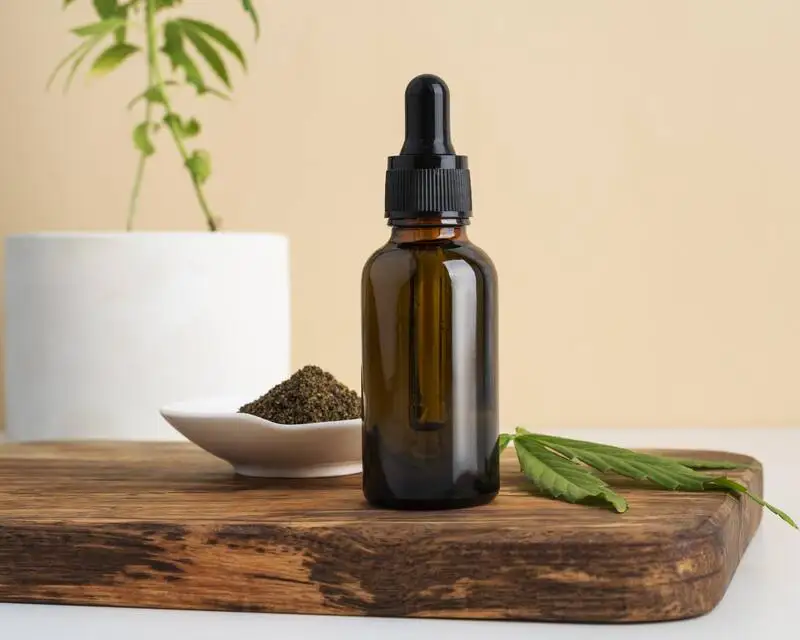
Hemp and hemp-derived CBD products are legal in West Virginia under the 2018 Farm Bill and West Virginia’s Industrial Hemp Development Act. The West Virginia Department of Agriculture administers hemp cultivation and processing licenses. CBD oils, tinctures, topicals, and other hemp-derived products at or below 0.3% THC are widely available throughout the state.
Hemp farming has grown in West Virginia as part of the state’s agricultural diversification efforts, with a number of licensed growers and processors operating alongside the traditional farming sector. The hemp industry provides a legal economic alternative in a state that has been hit hard by the decline of coal mining employment.
Delta-8 THC and other hemp-derived intoxicants exist in a legal grey area. West Virginia has not specifically banned delta-8 from hemp, but regulatory guidance may change. Consumers should verify the current legal status before purchasing high-potency hemp-derived products at non-licensed dispensary retail locations.
West Virginia Visitors & Travelers:
West Virginia does not recognize out-of-state medical cards. The state has no decriminalization. Any recreational possession is a criminal misdemeanor. Visitors from neighboring Ohio (recreational) or Virginia (recreational) should not bring cannabis into West Virginia — this is both a WV state crime and a federal interstate offense. I-64 and US-60 corridors are actively patrolled, particularly near the Virginia and Ohio borders.