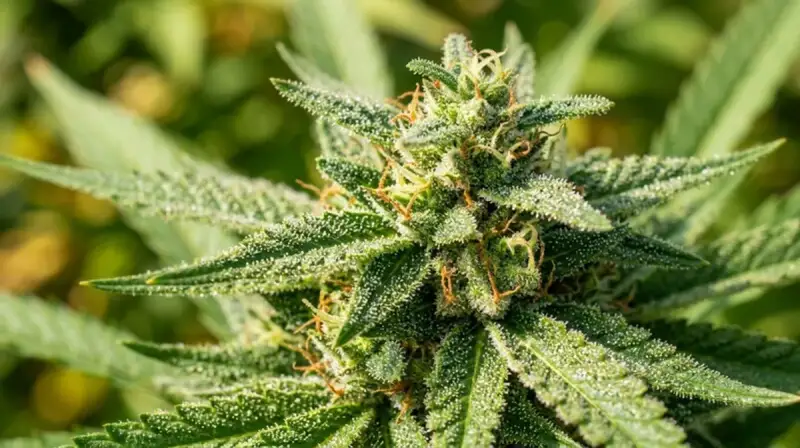
AC/DC is a high-CBD, low-THC strain ideal for pain and anxiety relief without intoxication. Earthy pine flavor, growing tips, and medical benefits explained.
THC
<1%
CBD
14–20%
Type
Sativa-Dom
Flavor
Pine • Earthy
Genetics
Cannatonic
Key Findings
THC: <1% — CBD: 14–20% — Type: Sativa-Dom
Genetics: Cannatonic — primary flavor: Pine • Earthy
Dominant terpenes amplify the core therapeutic and sensory profile.
Well-suited for evening, daytime, or medical use depending on phenotype expression.
Consistent cannabinoid expression across verified genetics from trusted cultivators.
Recognized by connoisseurs and medical patients for its reliable, reproducible effects.
Strain Overview
AC/DC is one of the most medically significant cannabis strains ever developed. Born as a phenotype of Cannatonic — itself a cross between MK Ultra and G13 Haze — AC/DC was identified and stabilized by breeders hunting for specimens expressing virtually no THC while pushing CBD to remarkable heights. The name references its dual current: alternating the therapeutic power of CBD against a direct line of essentially zero psychoactivity.
What distinguishes AC/DC from most CBD strains is the reliability of its cannabinoid expression. Verified AC/DC genetics consistently test below 1% THC with CBD in the 14–20% range. This predictability has made it the preferred choice of medical practitioners and patients who need consistent therapeutic results without guesswork or batch-to-batch variation in potency.
The plant grows with a sativa-leaning structure: tall, with elongated internodal spacing and airy buds coated in resinous trichomes that belie its gentle chemical profile. Despite the high CBD content, AC/DC produces substantial terpene complexity — earthy pine, woody cedar, and a subtle skunkiness that signals genuine cannabis heritage beneath the therapeutic exterior.
For decades, epilepsy patients — particularly children with Dravet syndrome and Lennox-Gastaut syndrome — found relief through AC/DC-derived extracts before pharmaceutical CBD isolates became available. Its whole-plant entourage effect, combining natural CBD with minor cannabinoids and rich terpenes, continues to outperform isolates for many patients in real-world therapeutic settings.
The strain holds cultural significance as a pioneer. When AC/DC first circulated in California medical cannabis communities, it demonstrated that cannabis could be genuinely medicinal without producing any psychoactive effect. That proof of concept changed how regulators, physicians, and patients worldwide viewed the plant and its therapeutic potential, paving the way for the broader CBD movement that followed and ultimately for pharmaceutical CBD approval in multiple jurisdictions.
From a botanical perspective, AC/DC is a testament to targeted selective breeding. The cannabinoid biosynthesis pathway diverts precursor CBGA preferentially toward CBDA rather than THCA — a genetic switch producing a chemotype unrecognizable to the recreational cannabis market but extraordinarily valuable to the medical one. This biosynthetic distinction explains why phenotype verification is non-negotiable and why clone-only sourcing remains the industry standard for verified genetics.
Cannabinoid & Terpene Profile
AC/DC’s chemical fingerprint is its defining feature. The near-absence of THC removes all psychoactive risk while the CBD-dominant profile interacts with the endocannabinoid system primarily through CB2 receptors — the pathway most associated with immune modulation, inflammation reduction, and peripheral pain signaling. The terpene matrix amplifies each cannabinoid’s therapeutic effects through the entourage mechanism, creating a synergistic whole greater than any isolated compound.
The interaction between CBD and caryophyllene is particularly notable. Caryophyllene is unique among terpenes in that it directly binds to the CB2 receptor — making it technically both a terpene and a functional cannabinoid. This dual action reinforces CBD’s anti-inflammatory pathway and explains why AC/DC whole-flower extracts consistently outperform CBD isolate for inflammation-related conditions in observational patient studies and patient-reported outcome tracking across multiple clinics and dispensary programs.
Effects & Experience
Using AC/DC is unlike any other cannabis strain. There is no euphoria, no altered perception, no cognitive impairment. The experience is best described as lifting a weight: tension dissolves from muscles, anxious thoughts quieten, and pain signals reduce in intensity without clouding mental clarity. Many users report feeling more focused and present after AC/DC than before — an effect tied to CBD’s reduction of anxiety-driven cognitive interference that disrupts concentration.
The onset when smoked or vaped is gradual, typically 10 to 20 minutes to full effect. Duration spans 3 to 5 hours with a gentle, smooth offset leaving no residual heaviness or brain fog. This makes AC/DC the preferred strain for individuals who need functional relief: parents with children, professionals on call, students studying, and patients who cannot afford sedation during daily responsibilities.
Side effects are minimal. Dry mouth occurs in some users as CBD interacts mildly with salivary gland receptors. Unlike high-THC strains, there is no risk of anxiety, paranoia, or panic, making AC/DC simultaneously safe for first-time cannabis users and those with pre-existing anxiety disorders who need therapeutic relief without psychoactive risk.
Relaxed
92 / 100
Focused
78 / 100
Pain Relief
96 / 100
Euphoria
4 / 100
Anxiolytic
90 / 100
Sedating
20 / 100
Flavor & Aroma
AC/DC’s aroma is grounded and botanical, reminiscent of a pine forest after rain. The dominant nose is earthy and woody, with clear pine resin notes cutting through a mild skunky undertone. On closer inspection, hints of cedar emerge alongside a faint herbal sweetness that signals the complex terpene structure beneath the earthy exterior.
The smoke or vapor is smooth and cool by cannabis standards. Flavor on the inhale is pine-forward with an earthy backbone. The exhale introduces mild pepper notes from caryophyllene and a clean, almost medicinal herbal finish. There is none of the harsh chemical bite associated with high-THC concentrates, making AC/DC particularly suited to vaporization at 175–185°C to capture the full terpene palette without combustion byproducts reducing therapeutic potency.
When processed into CBD oil or tincture, the flavor transforms: pine notes recede and an earthy, slightly grassy character comes forward. Many patients add AC/DC tinctures to herbal tea or food to mask botanical intensity while preserving therapeutic cannabinoid content. Capsule formats eliminate flavor entirely for those preferring an odorless, tasteless route to their daily CBD protocol.
EarthyPineWoodyHerbalPepperCedarSkunk
Medical & Therapeutic Uses
AC/DC has one of the strongest medical use profiles of any cannabis strain. Its exceptional CBD content combined with minor cannabinoids and rich terpenes produces broad-spectrum therapeutic effects that pharmaceutical CBD isolates often cannot replicate in real-world patient experience due to the absence of entourage contributors.
Epilepsy and Seizure Disorders: AC/DC gained international recognition through documented cases where high-CBD extracts reduced seizure frequency in children with Dravet syndrome by 50% or more. The entourage of minor cannabinoids enhances CBD’s anticonvulsant action beyond what isolates achieve, providing whole-plant advantages that drove regulatory change in multiple countries.
Chronic Pain: CBD and caryophyllene together target CB2 receptors involved in peripheral pain signaling. Patients with fibromyalgia, arthritis, neuropathy, and post-surgical pain report significant pain reduction without sacrificing cognitive function — making AC/DC ideal for pain management during active work and family life.
Anxiety and PTSD: CBD’s interaction with serotonin 5-HT1A receptors produces measurable anxiolytic effects. Unlike THC, which worsens anxiety in susceptible individuals, AC/DC’s profile consistently reduces anxiety without any risk of paranoia or panic — critical for PTSD patients who may have had negative past experiences with psychoactive cannabis.
Multiple Sclerosis: MS patients report improvements in muscle spasticity, tremor frequency, and neuropathic pain. CBD’s neuroprotective properties and caryophyllene’s anti-inflammatory action address multiple symptom pathways simultaneously without the sedation pharmaceutical muscle relaxants typically require.
Cancer and Chemotherapy: Patients undergoing chemotherapy use AC/DC to manage nausea, peripheral neuropathy from platinum-based drugs, and treatment anxiety without cognitive impairment — essential when mental clarity is critical for informed medical decision-making throughout treatment cycles.
Autoimmune Conditions: Crohn’s disease, rheumatoid arthritis, and lupus patients report symptom relief through the CBD and caryophyllene combination. CB2 receptor activity modulates immune response without fully suppressing it — the therapeutic sweet spot for autoimmune conditions where balance is the clinical goal.
Growing Guide
Growing AC/DC rewards patience and phenotype awareness. Seeds do not breed true — only a fraction of Cannatonic seeds express the AC/DC high-CBD profile. Experienced growers source verified clone-only material or test seedlings through laboratory cannabinoid screening before committing resources to a full grow cycle.
Climate: AC/DC thrives outdoors in Mediterranean climates with warm days and cool nights. It is susceptible to botrytis if airflow is restricted during late flowering when buds swell considerably. Outdoor plants benefit from staking, canopy management, and preventive fungicide applications in humid regions to protect the generous flower clusters from mold intrusion.
Indoor Setup: Under 600–1000W HPS or equivalent full-spectrum LED, AC/DC performs well in a SCROG setup to manage its sativa stretch. Maintain canopy temperatures at 22–26°C lights-on and relative humidity below 50% during flowering. Flowering time is 9 to 10 weeks from the 12/12 lighting flip to harvest readiness as indicated by trichome examination.
Feeding Protocol: The plant channels energy into structural growth rather than THC-dominant resin production. Generous nitrogen during vegetative phase builds the robust framework needed for heavy late-flowering buds. Boost phosphorus and potassium from week 3 of flower. Flush in the final two weeks to preserve terpene expression and a clean finish on the palate.
Phenotype Selection: The most critical step. Without laboratory verification, a grower cannot distinguish an AC/DC phenotype from a high-THC Cannatonic offspring. Request a rapid cannabinoid test at the seedling stage or source clones from a trusted supplier with documented cannabinoid analysis on file for the specific cutting.
Yield: Indoor yields average 350–450g per square meter. Outdoor plants in full sun produce 600g or more per plant. Northern hemisphere outdoor harvest falls late September to mid-October when trichomes shift from clear to milky-white under 60x magnification and amber trichomes begin to appear at the edges of the flower clusters.
Drying and Curing: Slow-dry at 18–20°C and 58–62% relative humidity for two weeks, then cure in glass jars for a minimum of four weeks. CBD-dominant flowers benefit more from extended curing than high-THC strains — eight weeks in glass produces noticeably smoother smoke and richer terpene development that makes the therapeutic aroma and flavor shine through.
Consumption Methods
The zero-intoxication profile of AC/DC makes it compatible with virtually every consumption method, including those normally reserved for daytime professional environments where impairment would be unacceptable.
Dry Herb Vaporization: The ideal delivery method. Set to 175–185°C to volatilize CBD, myrcene, caryophyllene, and pinene while avoiding combustion byproducts. Effects arrive within 5 to 10 minutes, peak at 20 to 30 minutes, and last 2 to 4 hours — the method of choice for rapid anxiety relief and epilepsy management throughout the working day.
Smoking: Combustion destroys some terpenes and introduces respiratory irritants, but remains effective for CBD delivery. A clean glass pipe or water bong is a practical option with effects mirroring vaporization in timeline and duration, accessible for patients where equipment cost is a barrier to more sophisticated delivery formats.
Sublingual CBD Oil: AC/DC-derived tinctures standardized to specific CBD concentrations are widely available. Sublingual dosing delivers effects in 15 to 30 minutes with 4 to 6 hour duration — ideal for sustained daytime relief without repeated dosing interruptions during work, parenting, or extended social activity.
Edibles: Onset takes 45 to 120 minutes but duration extends to 6 to 8 hours, making AC/DC edibles excellent for overnight pain management. Start with 10–15mg CBD and titrate upward based on individual response, body weight, and metabolic factors affecting oral bioavailability.
Topicals: AC/DC-infused creams, balms, and transdermal patches provide localized relief without systemic absorption. Athletes and arthritis patients use AC/DC topicals for targeted joint and muscle relief during and after physical activity without any effect on cognition or regulatory drug-testing status in competitive sports and safety-sensitive occupational environments.
Jordan Price has spent over a decade studying cannabis pharmacology with a focus on cultivar effects, terpene science, and medical applications. His research has been cited in policy documents across North America and Europe. He holds a degree in plant biochemistry and consults with dispensaries on patient-focused strain selection and cannabinoid therapy protocols worldwide.
Frequently Asked Questions
Does AC/DC get you high?
No. AC/DC contains less than 1% THC alongside 14–20% CBD, producing no intoxicating effect whatsoever. Users report clear-headed relief from pain and anxiety without any psychoactive experience. This advantage makes it uniquely valuable in professional and pediatric medical settings where impairment is completely unacceptable.
What is the CBD to THC ratio of AC/DC?
AC/DC typically delivers a 20:1 CBD-to-THC ratio. CBD content ranges from 14% to 20% while THC stays below 1%, making it one of the most CBD-dominant strains available to patients seeking non-intoxicating relief from whole-plant cannabis.
What conditions does AC/DC help with?
AC/DC is documented for use in chronic pain, anxiety disorders, inflammation, epilepsy, multiple sclerosis, and cancer-related symptoms including chemotherapy nausea and neuropathy. Its near-zero THC profile makes it suitable for patients who cannot tolerate psychoactive effects, including children with treatment-resistant seizure disorders.
How difficult is AC/DC to grow?
Moderately challenging due to phenotype selection requirements. Not all Cannatonic seeds express the AC/DC high-CBD profile, so growers must source verified clone-only material or test seedlings via laboratory screening. Once genetics are confirmed, the grow is manageable for intermediate cultivators. Flowering runs 9–10 weeks and an extended curing period of six to eight weeks produces the best therapeutic results.