




Ringo’s Gift: One of the Highest-CBD Commercial Strains
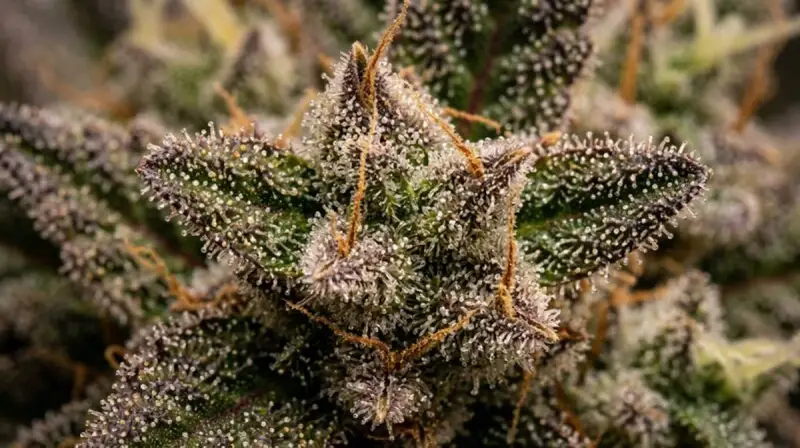
Ringo’s Gift occupies a unique and important place in modern cannabis history. Named after Lawrence Ringo, the California CBD activist and breeder who passed away from prostate cancer in 2014, this strain represents the culmination of years of work to develop cannabis with therapeutic CBD concentrations high enough to be meaningful for epilepsy, chronic pain, and anxiety — without the psychoactivity that prevents many patients from using cannabis at all. At CBD concentrations reaching 24% with THC below 1%, Ringo’s Gift delivers one of the highest CBD loads of any commercially available strain.
- Genetics: ACDC × Harle-Tsu (Harborside Health Center, California)
- CBD: 10–24% (significant batch variation — always verify COA)
- THC: <1% in most tested batches (can vary — check COA)
- CBD:THC Ratio: Typically 20:1; ranges from 5:1 to 24:1 by batch
- Top Terpenes: Myrcene, Pinene, Caryophyllene
- Effects: No psychoactivity; anti-inflammatory, anxiolytic, analgesic via CBD
- Medical: Epilepsy, chronic pain, anxiety, MS, inflammation
- Flavour: Earthy, woody, pine, mild citrus
| Attribute | Detail |
|---|---|
| Type | CBD-Dominant Hybrid |
| Genetics | ACDC × Harle-Tsu |
| Origin | Harborside Health Center, Oakland, California |
| Named After | Lawrence Ringo — CBD activist and breeder (1955–2014) |
| CBD | 10–24% (batch-variable — verify COA) |
| THC | <1% typical (batch-variable — verify COA) |
| CBD:THC | Typically 20:1; ranges 5:1 to 24:1 |
| Primary Terpenes | Myrcene, Pinene, Caryophyllene |
| Effects | Non-psychoactive; anti-inflammatory, anxiolytic, analgesic |
| Medical | Epilepsy, chronic pain, anxiety, MS, inflammation |
| Flower Time | 9–10 weeks (63–70 days) |
| Psychoactive? | No (at standard doses and verified 20:1+ ratio batches) |
Lawrence Ringo: The Man Behind the Strain
Lawrence Ringo was not a commercial cannabis entrepreneur. He was, first and foremost, a patient and an advocate. Suffering from his own chronic conditions, he became convinced in the mid-2000s that cannabis’s therapeutic potential was being ignored in favour of recreational THC-maximisation, and he dedicated the latter part of his life to changing that.
Working as a cannabis cultivator in Humboldt County, California, and later collaborating with Harborside Health Center in Oakland, Ringo developed a series of high-CBD strains at a time when the market had no interest in them and most growers did not even know how to test for CBD content. His varieties — including ACDC, Sour Tsunami, and the genetics that became Harle-Tsu and Ringo’s Gift — were developed through patient selection of naturally occurring high-CBD phenotypes at a time before CBD had become a mainstream term.
Ringo’s advocacy was direct and personal: he provided high-CBD cannabis to patients, particularly children with epilepsy, who had exhausted other treatment options. His work predated the Charlotte’s Web story that brought CBD into public consciousness in 2013 by several years. When he passed away from prostate cancer in July 2014, the Harborside team named a strain after him to preserve his legacy in the cannabis that outlasted him.
The naming of Ringo’s Gift reflects a genuine sentiment in the cannabis community that often goes unacknowledged in mainstream discourse: behind many of the strains that have helped patients most are individual human beings who made personal sacrifices to develop and distribute them.
Genetics: ACDC × Harle-Tsu
Both parent strains of Ringo’s Gift are themselves high-CBD crosses, making the inheritance of elevated CBD concentrations robust across most phenotypes:
ACDC is a phenotype of Cannatonic selected for very high CBD expression — typically 20:1 CBD:THC ratios. It was among the first commercially available high-CBD strains and became a foundation genetic for the high-CBD breeding movement of the 2010s.
Harle-Tsu is itself a cross between Harlequin (a CBD-dominant sativa) and Sour Tsunami (another Lawrence Ringo creation). Harle-Tsu reliably produces CBD:THC ratios of 20:1 or higher and is noted for mild earthy flavour and consistent medical utility.
The combination of two already-high-CBD parent strains produces Ringo’s Gift with exceptional reliability for high CBD expression. This genetic consistency is part of why dispensaries can offer it as a medical-focused product with reasonable confidence in the cannabinoid profile — though batch-to-batch variation still makes COA verification essential.
Terpene Profile
| Terpene | Aroma Note | Effect Role | Also Found In |
|---|---|---|---|
| Myrcene | Earthy, musky, herbal | Potentiates CBD absorption; mild sedative/relaxant contribution | OG Kush, Harlequin, Blue Dream |
| Pinene (α-Pinene) | Fresh pine, forest, herbal | Anti-inflammatory; bronchodilatory; memory-supporting (may counteract THC memory effects) | ACDC, Harlequin, Jack Herer, Romulan |
| Caryophyllene | Spicy, peppery, woody | CB2 receptor agonist; anti-inflammatory; analgesic | ACDC, Cannatonic, Charlotte’s Web |
The terpene profile of Ringo’s Gift works synergistically with its high CBD content in what researchers call the “entourage effect” — the combined action of cannabinoids and terpenes producing effects greater than either could achieve alone. Caryophyllene’s direct CB2 receptor binding adds anti-inflammatory and analgesic effects that complement CBD’s own mechanisms. Pinene’s bronchodilatory properties may enhance bioavailability of inhaled CBD. Myrcene’s sedative contribution supports sleep applications.
Effects: Non-Psychoactive CBD Therapy
The effects of Ringo’s Gift are fundamentally different from those of any THC-dominant strain. There is no “high,” no euphoria, and no altered perception. What users experience is the therapeutic action of high-dose CBD: reduction in anxiety, relaxation of muscle tension, attenuation of pain signals, and in epileptic patients, reduction in seizure frequency. Many users describe the effect as “everything calming down” — a diffuse sense of physical and mental ease without any cognitive change.
At the CBD concentrations present in Ringo’s Gift (10–24%), the effects are dose-dependent. Lower doses produce mild anxiolytic and anti-inflammatory effects. Higher doses, particularly in patients with more severe conditions, can produce notable pain relief, significant anxiety reduction, and muscle relaxation sufficient for sleep support.
Critically, the very high CBD:THC ratio in Ringo’s Gift means that even if trace THC is present, it is antagonised by CBD at the receptor level. CBD’s modulation of CB1 receptor activity reduces any psychoactive effect of residual THC, ensuring the experience remains non-intoxicating across the full CBD concentration range.
Medical Uses
- Epilepsy: High-CBD strains including Ringo’s Gift are among the most studied cannabis-based interventions for treatment-resistant epilepsy. CBD’s anticonvulsant properties are supported by clinical evidence — the FDA-approved drug Epidiolex is a purified CBD formulation based on this mechanism. Ringo’s Gift provides a whole-plant source with additional terpene entourage effects.
- Chronic Pain: CBD’s multi-mechanism analgesic effect (via TRPV1 channels, serotonin receptors, and CB2) combined with caryophyllene’s direct CB2 activity makes Ringo’s Gift one of the most pharmacologically complete pain-management strains available.
- Anxiety: CBD reduces activity in the amygdala (the brain’s threat-detection centre) and increases serotonin signalling, producing measurable anxiolytic effects without psychoactivity. This makes Ringo’s Gift particularly valuable for anxiety-disorder patients who cannot use THC-dominant strains.
- Multiple Sclerosis: CBD’s anti-inflammatory and muscle-relaxant properties benefit MS patients, particularly for spasticity management. Clinical trials of CBD/THC combinations for MS spasticity support this application.
- Inflammation: The anti-inflammatory mechanisms of both CBD and caryophyllene make this strain applicable for a range of inflammatory conditions including arthritis and inflammatory bowel disease.
Always consult a healthcare provider before using cannabis for medical conditions. CBD products should be purchased with COA verification for accurate cannabinoid ratios.
Ringo’s Gift vs. Other High-CBD Strains
| Strain | CBD | THC | CBD:THC | Key Distinction |
|---|---|---|---|---|
| Ringo’s Gift | 10–24% | ~1% | 20:1+ | Subject of this guide; ACDC × Harle-Tsu heritage |
| ACDC | 14–20% | <1% | 20:1 | Parent strain; slightly lower CBD ceiling; classic high-CBD reference |
| Charlotte’s Web | 13–17% | <0.3% | 50:1+ | Hemp-derived; lower CBD absolute; much higher CBD:THC ratio; pharmaceutical-grade quality control |
| Cannatonic | 6–17% | 6–17% | 1:1 to 10:1 | Grandparent; variable ratio; lower CBD ceiling; balanced or CBD-dominant by phenotype |
| Pennywise | 8–15% | 8–15% | 1:1 | Balanced CBD:THC; mild psychoactivity; Harlequin × Jack the Ripper |
COA Verification: Critical for Medical Use
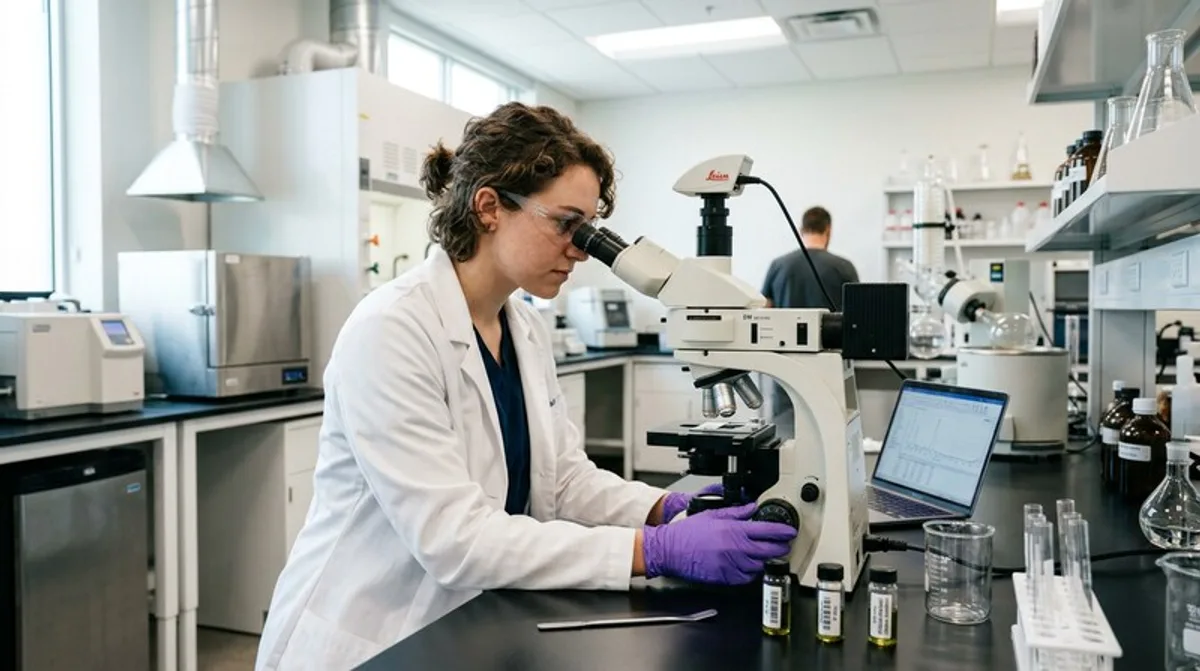
This point bears emphasis: batch variation in Ringo’s Gift can be significant, and purchasing without a Certificate of Analysis (COA) from an ISO-accredited laboratory is a medical risk for patients relying on specific CBD:THC ratios.
Growing conditions, harvest timing, curing practices, and phenotypic variation all affect the final cannabinoid profile. A batch advertised as “Ringo’s Gift” with an assumed 20:1 ratio may test at 5:1 or 10:1, which while still CBD-dominant would produce a qualitatively different experience — and potentially mild psychoactivity — compared to a 20:1 batch.
Reputable dispensaries in legal markets will have COA documentation available for all batches. For patients managing epilepsy or other serious conditions, independent testing through an accredited laboratory provides the highest level of certainty. Prices for independent COA testing range from $50–$150 per sample.
Growing Ringo’s Gift
| Factor | Indoor | Outdoor |
|---|---|---|
| Flowering Time | 9–10 weeks (63–70 days) | Late September – mid-October |
| Yield | Moderate — lower than high-THC strains | Moderate |
| Height | 100–140cm | 120–180cm |
| Difficulty | Moderate | Moderate |
| Structure | Hybrid — balanced internodal spacing | Full development at adequate light |
| Resin Production | Moderate — lower than high-THC strains | Moderate |
| COA Testing | Strongly recommended to verify CBD:THC ratio | Strongly recommended |
Ringo’s Gift is a moderate-difficulty cultivar. Its hybrid structure makes it more manageable than pure sativas but the 9–10 week flower time requires patience. Yield is lower than typical high-THC strains — a characteristic of most high-CBD genetics, which tend to allocate metabolic resources toward CBD production rather than bulk flower mass. This lower yield is acceptable for medical producers for whom cannabinoid profile is the primary metric.
For commercial medical production, COA testing of harvested batches before sale is not optional — it is a professional and ethical requirement. Phenotypic variation means even plants from the same seed lot can produce different CBD:THC ratios, and only batch testing can confirm the actual profile of what is being sold to patients.
Drug Test Detection
While Ringo’s Gift contains <1% THC, it is not THC-free. Standard drug tests detect THC-COOH metabolites, and regular use of even low-THC cannabis can accumulate to detectable levels. Users subject to workplace or legal drug testing should exercise caution. See our full drug testing guide for detail on metabolite thresholds and clearance times.
Related Guides
Pennywise Strain Caryophyllene Guide Cannabis for Epilepsy Cannabis for Anxiety Cannabis for Chronic Pain CBD Guide What Is CBD? Drug Testing Guide All StrainsCBD Research and the Science Behind Ringo’s Gift
The medical applications of high-CBD strains like Ringo’s Gift are supported by a growing body of clinical research. Key findings relevant to this strain’s use cases:
Epilepsy: The most robust clinical evidence for CBD efficacy is in epilepsy. The FDA approved Epidiolex (purified CBD oral solution) for Dravet syndrome and Lennox-Gastaut syndrome following Phase III randomised controlled trials showing significant seizure frequency reduction vs. placebo. Whole-plant CBD strains like Ringo’s Gift provide the same primary active compound alongside terpene entourage effects not present in pharmaceutical CBD isolates.
Anxiety: Multiple clinical studies support CBD’s anxiolytic effects via serotonin receptor modulation and amygdala activity reduction. A 2019 study published in The Permanente Journal found CBD improved anxiety scores in 79% of patients and sleep in 66% in the first month of use. CBD’s mechanism in anxiety is distinct from traditional anxiolytics: it does not produce dependence, tolerance, or withdrawal at therapeutic doses.
Pain: CBD’s analgesic mechanisms include TRPV1 channel modulation (the same target as capsaicin-based pain creams), glycine receptor modulation, and indirect CB1/CB2 effects. Clinical evidence is strongest for neuropathic pain and inflammatory pain conditions including rheumatoid arthritis.
Important limitation: Most CBD research has used pharmaceutical-grade isolated CBD rather than whole-plant cannabis. Results from isolated CBD may not directly translate to whole-plant consumption. However, the entourage effect theory suggests whole-plant high-CBD strains may produce superior outcomes at equivalent CBD doses due to synergistic terpene and minor cannabinoid contributions.
Buying Ringo’s Gift: What to Know
For medical users, purchasing Ringo’s Gift requires specific due diligence that goes beyond what most recreational cannabis purchases require:
- COA is non-negotiable: For any medical application, verify the batch CBD:THC ratio via a Certificate of Analysis from an accredited laboratory. Do not rely on labelling alone — batch variation is significant and real.
- Ratio matters more than percentage: A batch at 15% CBD / 0.5% THC (30:1) is very different from a batch at 12% CBD / 3% THC (4:1). Both may be labelled “Ringo’s Gift” but the therapeutic profiles are meaningfully different.
- Medical dispensary vs. recreational: Medical-focused dispensaries are more likely to maintain consistent access to high-CBD strains and to have current COA documentation available for their stock.
- Dispensary staff knowledge: Staff who can explain the difference between CBD:THC ratios and their implications are a positive indicator of a dispensary with serious medical focus.
- Storage: High-CBD flower is susceptible to the same degradation as high-THC flower. Store in an airtight container away from light and heat; check purchase date and ask about storage conditions at the dispensary.
Frequently Asked Questions
Jordan Price
Cannabis Cultivation Specialist — ZenWeedGuide
Jordan specialises in cannabis genetics, CBD research, terpene science, and cultivation techniques. His medical cannabis guides draw on clinical literature and patient-outcome research.