










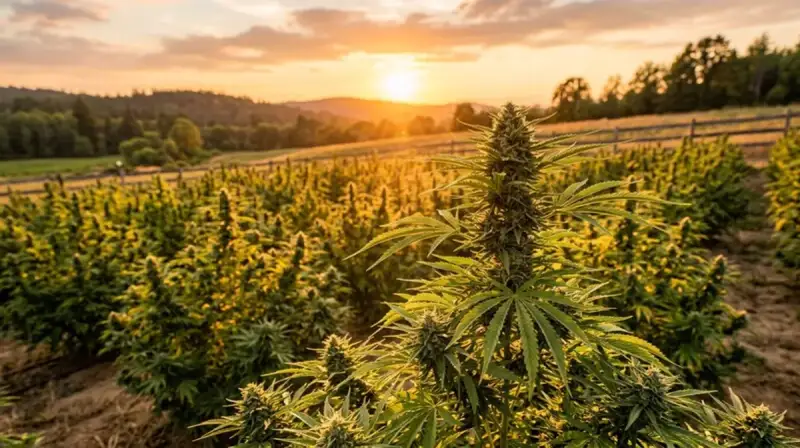
Black Widow: Mr. Nice Seeds’ Most Potent Classic
Black Widow occupies a unique position in cannabis history: it is the precursor to White Widow, sharing the same parent genetics but representing a different selection philosophy that prioritised cerebral potency and sativa character over the heavy resin expression that made White Widow commercially famous. Developed by Shantibaba at Mr. Nice Seeds, Black Widow is a sativa-dominant hybrid combining South Indian indica genetics with a Brazilian sativa landrace — a cross that produces one of the most potent and cerebrally intense experiences in the hybrid category, with THC content regularly reaching 20–24%. For cannabis connoisseurs who value lineage integrity, potency, and the deep roots of cannabis genetics history, Black Widow represents a direct connection to the genetic material that shaped modern cannabis as we know it. It is challenging, rewarding, and exceptional.
- Genetics: South Indian Indica × Brazilian Sativa (Mr. Nice Seeds, Shantibaba)
- THC Range: 20–24% — very high potency; experienced users recommended
- CBD: ~0.5–1%
- Top Terpenes: Myrcene, Caryophyllene, Pinene
- Effects: Potent cerebral euphoria, long-lasting, energising sativa character with body component
- Medical Uses: Depression, chronic stress, fatigue, pain, focus
- Flavour: Earthy, pine, subtle sweetness, woody, herbal complexity
- Growing: 9–10 weeks; intermediate-advanced; heavy resin; excellent outdoor performance
| Attribute | Detail |
|---|---|
| Type | Sativa-dominant Hybrid (~65% Sativa) |
| Breeder | Mr. Nice Seeds (Shantibaba / Howard Marks) |
| Genetics | South Indian Indica × Brazilian Sativa landrace |
| THC | 20–24% |
| CBD | 0.5–1% |
| Primary Terpenes | Myrcene, Caryophyllene, Pinene |
| Flavour | Earthy, pine, woody, subtle sweet, herbal |
| Bud Appearance | Dense-to-moderate; crystalline trichome coverage; forest green; orange-red pistils |
| Effects | Potent cerebral euphoria, energising, creative, long-lasting |
| Medical | Depression, stress, fatigue, pain, focus |
| Flower Time | 9–10 weeks |
| Relationship | Genetic precursor / sister strain to White Widow |
Genetics and History: The Original White Widow Cross
The story of Black Widow is inseparable from the story of White Widow — one of the most famous and commercially successful cannabis strains in history. Both varieties emerged from the same genetic cross: South Indian indica genetics combined with a Brazilian sativa landrace. The difference lies in subsequent selection, and understanding that selection explains why Black Widow and White Widow feel so different despite sharing the same parents.
Shantibaba, the Australian-born cannabis breeder who founded Mr. Nice Seeds alongside the legendary Howard Marks (the cannabis smuggler and author known as “Mr. Nice”), worked with the South Indian x Brazilian cross at Greenhouse Seeds in Amsterdam in the early 1990s. The phenotype that became White Widow was selected for extreme resin production — the frosted, white-coating appearance that gave the strain its name and made it commercially distinctive. Shantibaba selected a different phenotype that prioritised cerebral potency and sativa character over resin expression. When he left Greenhouse Seeds to found Mr. Nice Seeds, he took this selection with him, releasing it as Black Widow.
The South Indian indica genetics contribute the physical component, the resin architecture, and the structural stability to the cross. The Brazilian sativa genetics provide the cerebral energy, the terpene complexity, and the uplifting effect character. In Black Widow’s specific selection, the Brazilian sativa genetics express more dominantly than in White Widow, producing a more pronouncedly cerebral and energising experience while maintaining the high potency that both varieties are known for.
Black Widow vs. White Widow
The distinction between Black Widow and White Widow is one of the more discussed topics among serious cannabis connoisseurs. Both are legitimate and excellent strains, but they offer distinctly different experiences from the same genetic base.
| Characteristic | Black Widow | White Widow |
|---|---|---|
| Selection Focus | Cerebral potency, sativa character | Resin production, balanced hybrid |
| Effect Emphasis | More cerebral, energising, sativa-leaning | More balanced, slightly more physical |
| Resin Expression | Very good | Exceptional — defining characteristic |
| Aroma | Earthy, pine, subtle sweet, herbal | Earthy, woody, slightly more pungent |
| Breeder | Mr. Nice Seeds (Shantibaba) | Green House Seeds |
| Commercial Availability | Moderate; specialist seed banks | Wide; commercial seed banks globally |
Terpene Profile
Black Widow’s terpene profile reflects its mixed South Indian indica and Brazilian sativa heritage: an earthy-pine base with woody depth and a subtle sweetness that distinguishes it from more fruit-forward or diesel-dominant hybrids. The profile is classic and complex rather than trend-following.
| Terpene | Aroma Note | Effect Role | Also Found In |
|---|---|---|---|
| Myrcene | Earthy, musky, herbal | THC potentiation; mild physical grounding; depth of effect | White Widow, OG Kush, Granddaddy Purple |
| Caryophyllene | Peppery, spicy, woody clove | Anti-inflammatory via CB2; adds complexity and therapeutic depth | White Widow, GSC, Sour Diesel |
| Alpha-Pinene | Pine, fresh, crisp | Mental clarity; bronchodilator; contributes fresh pine note | Jack Herer, Dutch Treat, Blue Dream |
| Ocimene | Sweet, tropical, herbal | From Brazilian sativa genetics; brightens the aromatic profile | Strawberry Cough, Clementine, Golden Goat |
The presence of alpha-pinene alongside myrcene in Black Widow is significant from a user experience standpoint. While myrcene enhances the physical effect of THC, alpha-pinene acts as a mild counterbalance — preserving some cognitive sharpness and preventing the experience from becoming as physically heavy as the THC content alone might suggest. This interaction between terpenes helps explain why Black Widow, at 20–24% THC, remains more cerebrally functional than many indica-dominant strains with similar or lower THC levels.
Effects: Potent Cerebral Intensity
Black Widow is not a strain for beginners. At 20–24% THC, with a sativa-dominant genetic profile that delivers primarily cerebral effects, it demands respect and careful dose management. For experienced users who enjoy potent sativa experiences, it delivers one of the most complete and memorable cerebral highs available from a hybrid strain.
Onset (0–15 Minutes)
Black Widow’s onset is notably rapid — effects begin within 5–10 minutes of consumption and build progressively over the following 15 minutes. The initial sensation is a sharp, clear-headed euphoric rush: mental energy increases quickly, perception sharpens, and mood elevates strongly. The speed and intensity of the onset is one of Black Widow’s signature characteristics and can be disorienting for unprepared users.
Peak (15–90 Minutes)
The peak of Black Widow is an intense, sustained cerebral euphoria characterised by racing thoughts, creative energy, heightened sensory awareness, and a sense of profound engagement with the world. At moderate doses for experienced users, this peak is exhilarating and productive — an ideal state for creative work, deep conversation, or outdoor activities. At higher doses or for less experienced users, the intensity can become overwhelming, potentially triggering anxiety or paranoid ideation. The South Indian indica genetics contribute a mild physical warmth that prevents complete cognitive detachment, keeping the experience grounded enough to remain functional for most experienced users.
Later Phase (90–180+ Minutes)
The comedown is gradual and characterised by a slow easing of intensity. Unlike abrupt-offset strains, Black Widow maintains elevated mood and mild sensory enhancement well into the later phase, eventually settling into a comfortable baseline. Total duration is typically 3–4 hours for experienced users at moderate doses — notably long for a sativa-dominant strain.
Flavour: Classic Earthy Pine
Black Widow’s flavour is a classic cannabis experience: earthy, pine-forward, with woody depth and a subtle sweetness that comes from the Brazilian sativa genetics. There are no fruit-candy notes, no diesel petroleum character, no Berry sweetness — just the authentic, complex aroma of high-quality traditional cannabis genetics. On the inhale, the earthy-herbal base is immediately apparent, with pine notes adding freshness and structure. On the exhale, the woody-spice complexity of caryophyllene emerges, followed by a mild sweet aftertaste from the ocimene. For users who appreciate classic cannabis flavour profiles over modern trend-driven aromas, Black Widow is deeply satisfying.
Medical Uses
- Treatment-Resistant Depression: The very high THC and potent cerebral euphoria make Black Widow particularly effective for depression that has not responded to lower-potency strains. The intensity of the mood elevation is substantial enough to break through significant depressive states for many users.
- Chronic Stress: The perspective-shifting intensity of Black Widow effectively interrupts chronic stress patterns — though the high potency means that stress-sensitive or anxiety-prone users should approach with significant caution.
- Fatigue: The energising sativa character is highly effective for fatigue management, with the high THC providing a significant boost in perceived energy and engagement.
- Pain with Maintained Cognition: For users who need meaningful pain relief but want to maintain cognitive function, Black Widow’s sativa-dominant profile offers a different solution than sedating indica strains — providing THC-mediated pain relief with minimal physical sedation.
- Creative Therapy: For therapeutic applications involving creative expression, art therapy, or music therapy, Black Widow’s intense creative stimulation can be therapeutically valuable in controlled settings.
Consult a licensed healthcare provider before using cannabis medicinally. Individual responses vary significantly.
Growing Black Widow
Black Widow is an intermediate-to-advanced grow with outstanding resin production and excellent outdoor performance. Its Mr. Nice Seeds genetics are stable and consistent, making it predictable for growers who have some experience with sativa-dominant hybrids.
| Growing Factor | Indoor | Outdoor |
|---|---|---|
| Flower Time | 9–10 weeks | Mid-to-late October; warm temperate or subtropical |
| Plant Height | 90–130 cm; moderate sativa stretch | 140–200 cm outdoors |
| Yield | Moderate–high; very dense trichome coverage | High; exceptional quality outdoor |
| Difficulty | Intermediate–Advanced | Intermediate |
| Training | SCROG or early topping; manages sativa stretch | Staking essential for heavy cola weight |
| Resin | Very high; excellent hash/extract production potential | Very high; frosted appearance at maturity |
Similar Strains to Black Widow
| Strain | THC | Type | Key Similarity | Key Difference |
|---|---|---|---|---|
| White Widow | 20–25% | Balanced Hybrid | Same parent genetics; high potency; classic Dutch cannabis | More balanced hybrid; heavier resin; less cerebral |
| Tangerine Dream | 18–21% | Sativa-dominant Hybrid | Sativa-dominant; creative and uplifting; high THC | Citrus vs. earthy-pine; Haze lineage vs. Indian-Brazilian |
| Colombian Gold | 14–18% | Pure Sativa Landrace | Classic sativa cerebral euphoria; landrace-influenced | Lower THC; pure landrace vs. hybrid; earthy-skunk vs. earthy-pine |
| Durban Poison | 20–26% | Pure Sativa Landrace | Very high THC; intense cerebral; classic genetics | Anise-licorice vs. earthy-pine; South African landrace |
Drug Test Detection Windows
| Test Type | Occasional User | Regular User | Daily User |
|---|---|---|---|
| Urine | 3–7 days | 10–21 days | Up to 30+ days |
| Blood | 1–3 days | 3–7 days | 7–14 days |
| Saliva | 24–72 hours | 3–5 days | Up to 7 days |
| Hair Follicle | Up to 90 days | Up to 90 days | Up to 90 days |
See our full drug testing guide for detail on metabolite half-lives and clearance times.
Related Guides
Colombian Gold Tangerine Dream Romulan Caryophyllene Guide Pinene Guide Euphoria Effects Cannabis for Depression Drug Testing Guide All StrainsFrequently Asked Questions
Jordan Price
Cannabis Cultivation Specialist — ZenWeedGuide
Jordan specialises in cannabis genetics, terpene science, and cultivation techniques. His research covers landrace preservation, hybrid breeding history, and the cultural context of significant cannabis varieties.