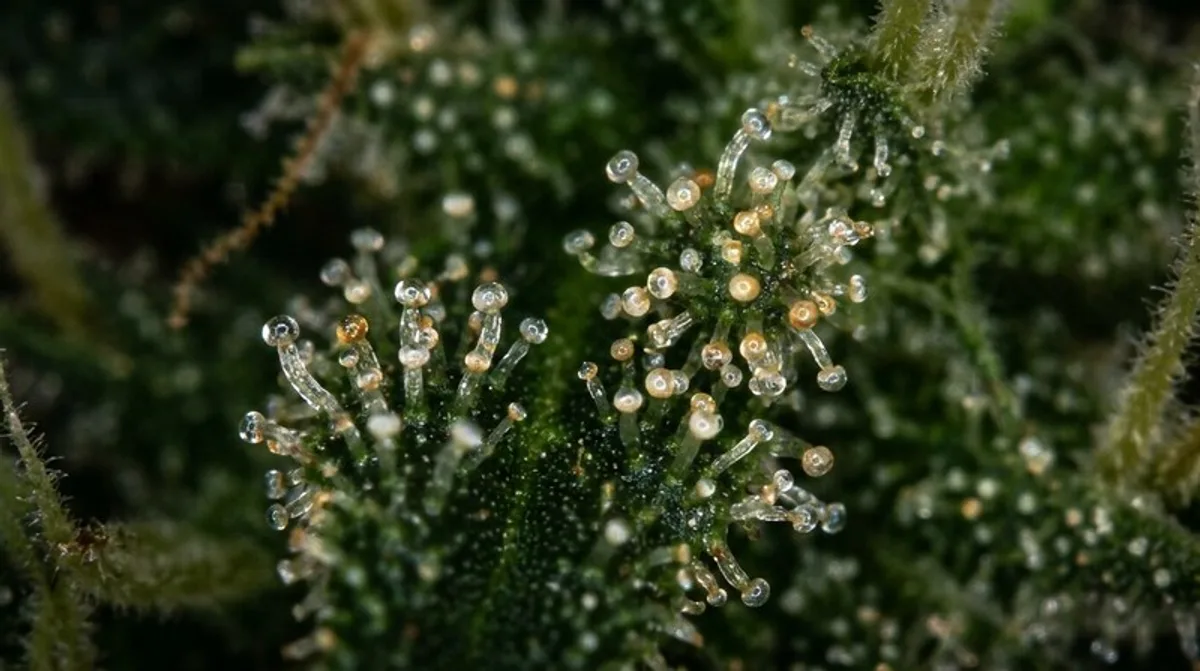
Cannabis trichomes under microscopy, source of the cannabinoids that produce euphoria
Cannabis Effects

Cannabis Euphoria:
The High Explained

The cannabis high begins with a single molecular event: THC removing the inhibitory brake on the brain’s dopamine neurons. The resulting flood of dopamine in the nucleus accumbens—up to three times baseline levels—generates the euphoria, warmth, and positive intensity that define the cannabis experience for hundreds of millions of users worldwide.

THC-driven Dopamine system Set & Setting Genetics matter
AK
Ann Karim — Cannabis Science Writer
Reviewed by ZenWeedGuide editorial team · Updated 2026-05-15
7 Key Findings
  1. THC triggers cannabis euphoria by removing the GABA brake on VTA dopamine neurons, producing a nucleus accumbens dopamine surge of up to 3× baseline.
  2. The neurochemical pathway is identical to the brain’s natural reward system; cannabis hijacks it rather than creating a new circuit.
  3. Anandamide (the endogenous cannabinoid) uses the same pathway for the “runner’s high”—cannabis simply activates it more powerfully and reliably.
  4. The FAAH C385A genetic polymorphism significantly affects euphoria susceptibility by altering baseline endocannabinoid tone.
  5. Edibles produce 4–8 hours of euphoria via 11-OH-THC, which crosses the blood-brain barrier 4–5× more efficiently than inhaled THC.
  6. Set and setting are pharmacologically active: anxiety and stress elevate cortisol, which directly antagonises dopamine release and impairs euphoric response.
  7. The euphoria-to-anxiety threshold is dose-dependent and highly individual—there is no universal “safe” dose that guarantees euphoria without anxiety risk.

The Neurochemistry of Cannabis Euphoria: Step by Step

Step Location Event Experienced As
1 Lungs / gut THC enters bloodstream Onset sensation (warm, alert)
2 VTA GABA interneurons THC binds CB1, inhibits GABA release Releasing the dopamine brake
3 VTA dopamine neurons Disinhibited neurons fire at higher rate Surging warmth, positive anticipation
4 Nucleus Accumbens (NAcc) Dopamine flood (up to 3× baseline) Euphoria, pleasure intensity, warmth
5 Prefrontal Cortex CB1 activation reduces rumination Quieted self-criticism, present-moment focus
6 Hippocampus Altered memory encoding Time distortion, present-moment immersion
7 System-wide Peak at 15–30 min (inhaled) then gradual decline Plateau, then relaxation as THC metabolises

Anandamide and the Natural Euphoria Pathway

Anandamide (arachidonoyl ethanolamide) is the brain’s primary endogenous cannabinoid, named from the Sanskrit word for bliss. It activates CB1 receptors using the same pathway as THC and is responsible for the “runner’s high”—the euphoric feeling experienced after prolonged aerobic exercise. Contrary to popular belief, the runner’s high is now understood to be driven primarily by endocannabinoids (including anandamide), not endorphins.

THC’s key pharmacological difference from anandamide is metabolic resistance. Anandamide is rapidly broken down by the enzyme FAAH (fatty acid amide hydrolase), limiting the intensity and duration of its effect. THC is not a substrate for FAAH, meaning it persists at CB1 receptors far longer—explaining why cannabis euphoria is more intense and sustained than the natural anandamide-mediated state it mimics.

Euphoria by Consumption Method

Method Onset Peak Euphoria Total Duration Intensity Key Factor
Inhaled (smoked) 2–10 min 10–30 min 1.5–3 hours Moderate–High Dose titration easy
Inhaled (vaped) 2–8 min 10–25 min 1.5–2.5 hours Moderate–High Cleaner onset, no combustion
Sublingual tincture 15–45 min 30–90 min 2–4 hours Moderate Precise dosing, no 11-OH-THC surge
Edibles 45–90 min 1–3 hours 4–8 hours High (via 11-OH-THC) CYP2C9 metabolism variation; high overdose risk

Top Euphoric Cannabis Strains

Strain Type THC Primary Terpenes Euphoria Character
Gelato Hybrid 20–26% caryophyllene, limonene, myrcene Balanced cerebral + body euphoria
Wedding Cake Hybrid (Indica-dominant) 22–27% Caryophyllene, Limonene, Myrcene Intense euphoric onset, body warmth
Runtz Hybrid 19–29% Caryophyllene, Limonene, linalool Sweet euphoric rush, long duration
OG Kush Hybrid (Indica-dominant) 19–26% Myrcene, Limonene, Caryophyllene Classic euphoria, benchmark strain
Gorilla Glue #4 Hybrid 25–30% Caryophyllene, Myrcene, Limonene Heavy, deep euphoria then relaxation
Blue Dream Hybrid (Sativa-dominant) 17–24% Myrcene, Caryophyllene, pinene Gentle, sustained, accessible euphoria
Sour Diesel Sativa 19–25% Caryophyllene, Myrcene, Limonene Cerebral rush, energetic euphoria
Girl Scout Cookies Hybrid (Indica-dominant) 19–28% Caryophyllene, Limonene, Linalool Full-spectrum euphoria, body + mind
Ghost Train Haze Sativa 20–28% Terpinolene, Ocimene, Myrcene Intense cerebral euphoria (experienced users)
Bruce Banner Hybrid (Sativa-dominant) 20–30% Myrcene, Caryophyllene, Limonene Powerful balanced euphoria
Slurricane Hybrid (Indica-dominant) 20–28% Caryophyllene, Limonene, Myrcene Euphoric then deep body relaxation
Crescendo Hybrid 25–33% Myrcene, Caryophyllene, Limonene Ultra-potent (experienced users only)

Dose, Euphoria, and the Anxiety Threshold

THC Dose (Low Tolerance) Expected Effect Anxiety Risk Notes
2.5–5 mg Mild euphoria, mood lift Very low Safe entry point for new users
5–10 mg Full euphoria, optimal range Low Most users experience the intended effect
10–20 mg Strong euphoria, body effects Moderate (30–40% of users) Anxiety risk rises significantly
>20 mg (low tolerance) Overwhelming, dissociation High (50–70% of users) Not recommended for recreational use
Cannabis Euphoria: Neuroscience Explained

Related Guides

Share:
ZW
ZenWeedGuide Editorial
Reviewed by our editorial team — cannabis researchers, policy analysts, and medical writers with expertise across clinical research, dispensary operations, and US cannabis law. Content is fact-checked and updated regularly.