





Overview: The Sommelier’s CBD Strain
Cherry Wine occupies a distinctive niche in the high-CBD hemp world. Where many CBD cultivars lead with earthy, piney, or herbal aromas, Cherry Wine arrives with a genuinely fruit-forward character that bridges the sensory gap between hemp and something more approachable and pleasurable. It is a cross between Charlotte’s Cherries—itself a Charlotte’s Web phenotype with enhanced cherry expression—and The Wife, a foundational Oregon hemp cultivar known for extraordinary CBD concentration and structural reliability.
The result is a plant that satisfies on multiple levels simultaneously. Its CBD content of 14 to 20% rivals Charlotte’s Web and The Wife individually. Its THC expression stays consistently below 1%, ensuring no psychoactive risk and maintaining compliance with hemp regulations in most markets. But the feature that sets Cherry Wine apart from the crowded CBD cultivar field is its terpene-driven sensory profile: ripe cherry, dried rose, and a distinctive black pepper finish that makes the smoking or vaping experience genuinely enjoyable rather than merely tolerable.
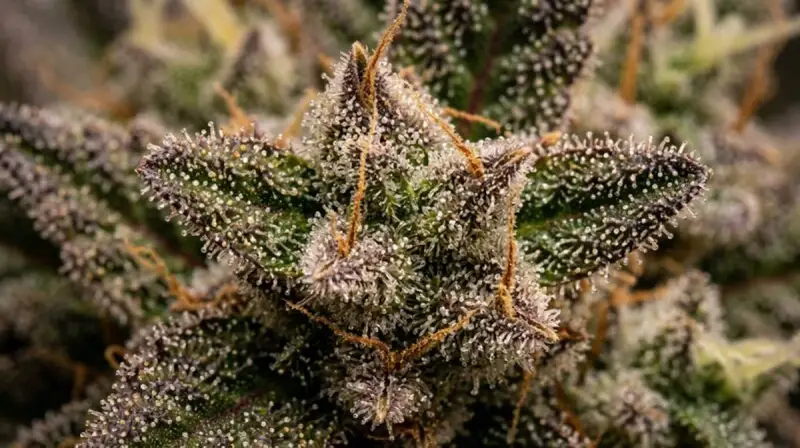
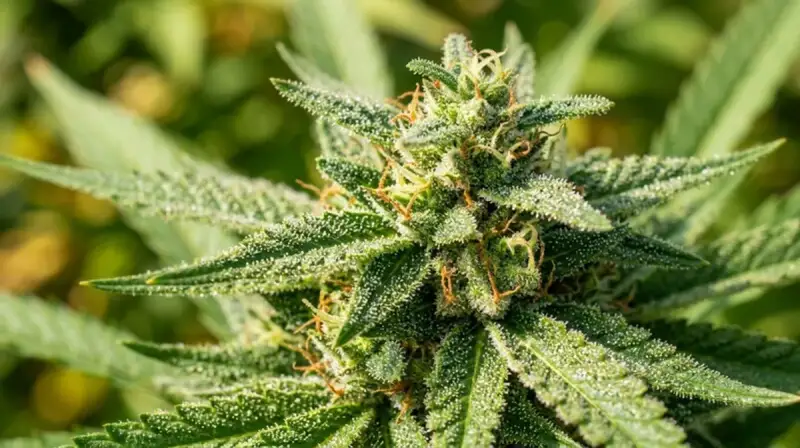
The plant itself is visually striking. Cherry Wine produces dense, resinous buds that often display light green coloring with amber pistils that deepen to a rich orange-red at maturity. Trichome coverage is exceptional for a hemp cultivar, and the frost-coated appearance belies its non-intoxicating cannabinoid profile. It is increasingly popular with artisan hemp farmers who want a visually appealing, aromatic crop that commands premium prices in the CBD flower market.
Cannabinoid & Terpene Profile
Cherry Wine’s cannabinoid profile is dominated by CBD, typically expressing between 14% and 20% in well-grown samples. THC stays reliably below 1%, and CBG is often present in meaningful secondary amounts (0.5–1%), contributing to the overall entourage effect. CBC may appear in trace amounts as well, adding minor anti-inflammatory and neuroprotective properties to the mix.
Primary Terpenes
- Myrcene — The backbone terpene providing earthy musk that grounds the fruitier top notes. Contributes to sedative potential and synergizes with CBD for enhanced relaxation.
- Caryophyllene — The source of Cherry Wine’s distinctive peppery finish. As the only terpene with direct CB2 cannabinoid receptor activity, it adds an anti-inflammatory dimension beyond the CBD itself.
- Bisabolol — A floral terpene associated with the sweet, wine-like aromatic quality. Found in chamomile and widely used in skincare for soothing properties. Present in meaningful concentrations in Cherry Wine.
- Linalool — Contributes the lavender-rose floral undertone and is associated with anxiolytic and sedative effects that complement CBD’s calming action.
- Ocimene — Adds a sweet, herbal, slightly fruity brightness that contributes to the cherry-forward nose of the strain.
Effects & Experience
Cherry Wine’s experiential profile is firmly in the calming, centering category. Without meaningful THC, there is no psychoactive high, but the interaction between high CBD, secondary cannabinoids, and a rich terpene profile creates a genuinely pleasant state of relaxed clarity. Tension in the body releases gradually—the shoulders drop, the jaw unclenches, and a soft mental ease settles in over 20 to 40 minutes.
Unlike some CBD strains that feel more medicinal than experiential, Cherry Wine has a pleasantness to the process of consuming it—the cherry-floral aroma, the smooth taste, the gentle pepper finish on the exhale—that makes the act of consumption an enjoyable ritual rather than pure utility. This sensory appeal contributes to user adherence for those using it as part of a daily wellness routine.
For those who use CBD primarily for anxiety management, Cherry Wine is especially effective. The combination of CBD’s serotonin 5-HT1A receptor activity, linalool’s anxiolytic properties, and caryophyllene’s CB2-mediated calming produces a multi-pathway reduction in anxious tension. Users frequently report that Cherry Wine helps with the physical symptoms of anxiety—tight chest, racing heart, muscle tension—as much as the mental aspects.
Flavor & Aroma
Cherry Wine delivers one of the most distinctive and appealing aromas in the high-CBD space. Fresh cured nugs emit an immediate wave of ripe sweet cherry—almost like cherry hard candy—layered over a wine-like fermented fruit depth that gives the strain its name. The floral element is genuinely present and complex: rose water, dried lavender, and a hint of chamomile weave beneath the cherry top note.
The pepper finish—from high caryophyllene content—arrives on the exhale and provides a pleasant counterpoint to the sweetness. It prevents the profile from becoming cloying and adds a sophistication that cannabis enthusiasts appreciate. The overall experience is genuinely wine-like in the way it layers and reveals itself: fruit forward on the nose, complex and herbal on the palate, and a warming pepper finish that lingers pleasantly.
Flavor Notes
Medical & Therapeutic Uses
Cherry Wine’s primary therapeutic applications align closely with the documented effects of high-CBD, low-THC formulations. Anxiety is the most common reason users seek it out. Whether as a tincture, vaped flower, or topical application, the CBD-terpene matrix in Cherry Wine provides measurable anxiety reduction within 20 to 60 minutes depending on the consumption method.
Chronic pain management—particularly inflammatory pain associated with arthritis, tendinitis, and musculoskeletal conditions—is another well-documented application. Caryophyllene’s CB2 agonism adds an anti-inflammatory mechanism that operates through a different pathway than CBD’s TRPV1-mediated pain modulation, potentially making the combination more effective than CBD alone for inflammatory conditions.
Sleep quality improvement is frequently reported, particularly when Cherry Wine is consumed in the evening. The combination of CBD’s anxiolytic effects, myrcene’s mild sedative properties, and linalool’s documented sleep-promoting effects creates a genuinely soporific profile at higher doses. For users who struggle with sleep onset due to anxiety or chronic pain rather than primary insomnia, Cherry Wine is an appealing option.
- Generalized anxiety and stress management
- Inflammatory pain (arthritis, tendinitis)
- Sleep onset difficulty
- Mild depression and mood elevation
- Skin inflammation and irritation (topical)
- Post-workout recovery and muscle soreness
- Headache and tension management
Growing Guide
Cherry Wine is one of the more grower-friendly high-CBD cultivars available. Its hybrid structure—drawing from both Charlotte’s Web and The Wife—produces a balanced plant that is neither excessively tall and stretchy like pure sativa hemp cultivars nor prone to the structural weakness of some indica-leaning phenotypes. Plants typically reach 100 to 150 cm outdoors with a classic hemp-style branching pattern that supports heavy bud development without requiring extensive staking.
Disease and pest resistance is above average for the high-CBD category. Cherry Wine demonstrates good resistance to common hemp fungal diseases including botrytis (gray mold) and powdery mildew, particularly when adequate airflow is maintained. This mold resistance makes it suitable for cultivation in higher-humidity environments where Charlotte’s Web might struggle.
Flowering is completed in 60 to 70 days from initiation, which is shorter than Charlotte’s Web and makes Cherry Wine an attractive option for farmers in regions with shorter growing seasons or colder autumns. Outdoor harvest in the Northern Hemisphere typically falls in late September to early October. Yields are generous for a premium CBD cultivar, and the amber pistils turn a rich orange-red at maturity—a reliable visual harvest indicator.
Growing Specs
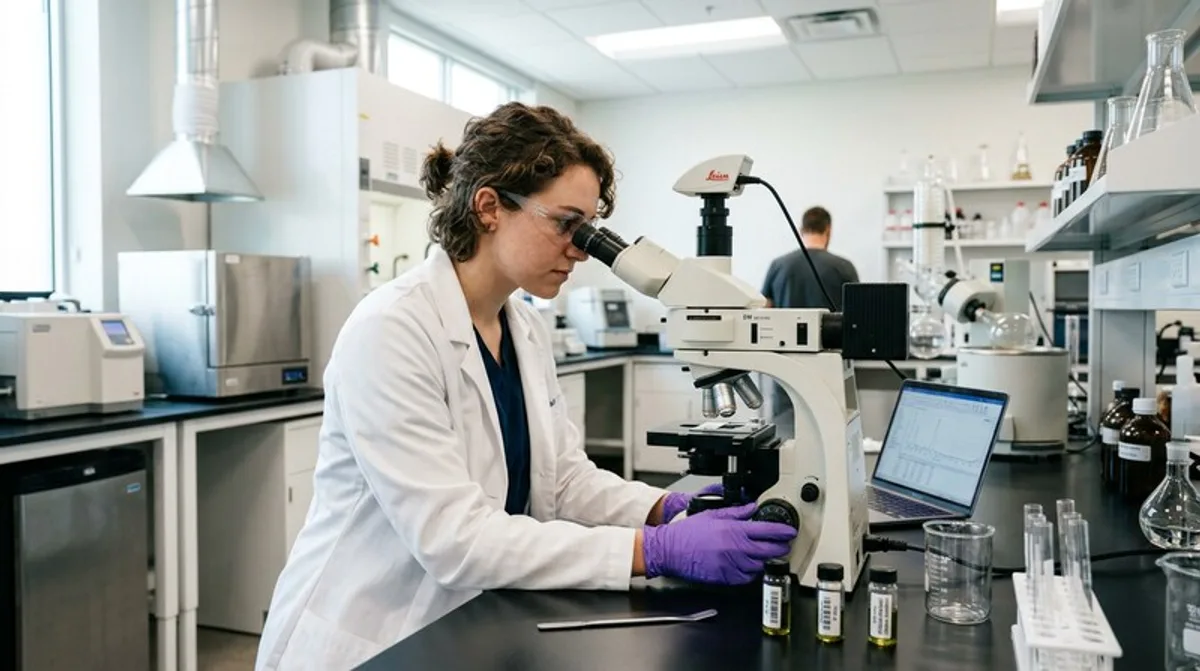
Hemp seed quality matters enormously with Cherry Wine. Certified seed from reputable breeders ensures consistent CBD expression and THC compliance. Purchasing uncertified clones or seeds of unknown provenance risks producing plants that test above 0.3% THC at harvest, creating a legal compliance problem. Reputable sources include Oregon CBD Seeds, the original developers of The Wife parent genetics. Regular COA (Certificate of Analysis) testing throughout the grow is recommended to track THC accumulation.
Nutrient requirements for Cherry Wine are moderate. It responds well to a balanced nitrogen-phosphorus-potassium regimen in vegetative growth transitioning to a bloom-focused formula in flower. Calcium and magnesium are important secondary nutrients, especially in coco coir or hydroponic systems. Overfeeding is a common beginner mistake that results in nutrient burn and suppressed terpene development—feed at 70% of recommended rates and observe the plant’s response before increasing.
Best Consumption Methods
Cherry Wine shines most brilliantly as smoked or vaped flower, where the full cherry-floral-pepper terpene profile is preserved and experienced. At vaporization temperatures between 170°C and 190°C, the lighter fruity terpenes like ocimene and bisabolol are expressed, delivering the cherry and floral character at their most delicate. Higher temperatures bring out the peppery caryophyllene and deeper myrcene earthiness.
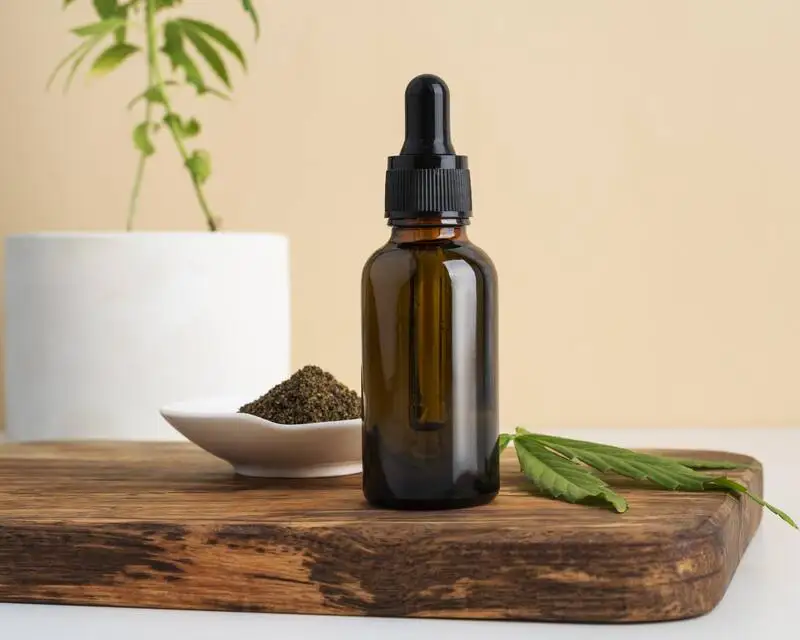
Full-spectrum Cherry Wine tinctures in MCT oil are the dominant commercial format and retain much of the terpene character in a convenient daily-use form. Sublingual administration provides onset within 15 to 30 minutes. Capsules and gummies using Cherry Wine extract are also widely available and provide the easiest dosing accuracy for consistent therapeutic use. Topical creams and salves formulated with Cherry Wine extract are particularly effective for localized inflammatory conditions such as arthritis, tendinitis, and skin irritation.
Dosing for new CBD users should begin conservatively at 10 to 20mg daily. Established users may use 25 to 75mg daily for anxiety and pain management. As a non-intoxicating compound, CBD does not carry the same acute overdose risk as THC, but excessively high doses can cause drowsiness and mild digestive discomfort. The therapeutic window for CBD is wide, and individual variation is significant—what works optimally varies substantially from person to person.