








Hawaiian Snow Overview
Hawaiian Snow is one of the most celebrated pure sativa strains in modern cannabis culture, a three-way hybrid that captures the best qualities of some of history’s most legendary sativa genetics. By crossing the tropical-inflected Hawaiian landrace with both the classic Haze and the particularly potent Neville’s Haze — a strain developed by legendary Dutch breeder Neville Schoenmakers — Green House Seeds produced something genuinely exceptional. The result is a strain that has won multiple Cannabis Cup awards and maintains a devoted following among sativa purists who prioritize cerebral depth, flavor complexity, and extended duration of effect.
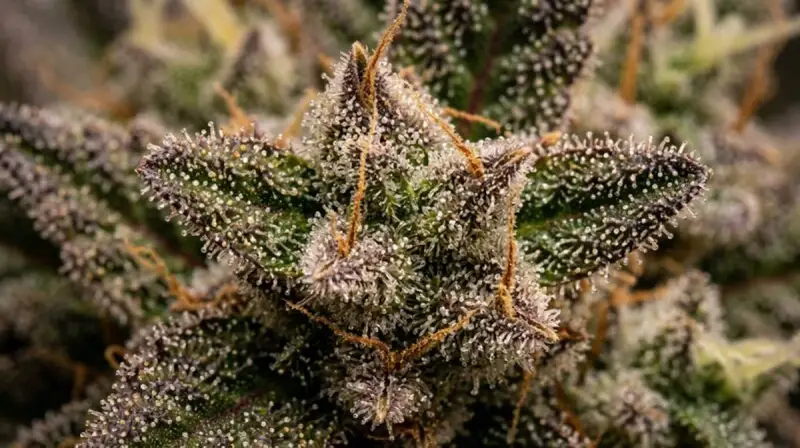
The plant’s morphology is unmistakably sativa: tall, open branching structure, long internodal spacing, and narrow, finger-like leaves that maximize light penetration and airflow. The buds are looser and more elongated than indica varieties, with a light sage-green color, abundant cream-to-amber pistils, and a generous but not overwhelming trichome coating that reflects the balanced potency profile. The visual impression is of an airy, almost delicate flower — deceiving given the intensity of its effects.
Hawaiian Snow holds a particular place in the hearts of cannabis old-timers and connoisseurs who remember the era when true sativas were the gold standard. Its effects represent what many call the ’classic sativa experience’ — uplifting, creative, thought-expanding, energetic, and profoundly psychoactive without the body sedation that characterizes indica strains. For those who find indica-heavy hybrids too sedating or modern hybrids too diffuse in their effect, Hawaiian Snow offers a definitive and uncompromised pure sativa experience.
The strain is widely available in Holland, Spain, and in mature North American cannabis markets, though its long flowering time and tall growth habit mean it is less ubiquitous in commercial operations than shorter-flowering hybrids. When found, it is typically priced at a premium that reflects the care and time required to bring it to harvest properly.
Cannabinoid & Terpene Profile
Hawaiian Snow tests between 20% and 23% THC, which is notable for a pure sativa — many landrace sativas are significantly lower in THC content. The Haze genetics contribute substantially to this potency, and Neville’s Haze in particular was selected for high resin production and potency. CBD levels are negligible, typically below 0.5%, which means the experience is entirely shaped by THC and the supporting terpene cast.
Terpinolene is the primary terpene and is largely responsible for the strain’s distinctive fresh, floral, slightly piney aromatic character. Terpinolene is the dominant terpene in many Haze-lineage strains and is associated with uplifting, anti-anxiety effects in research literature. It contributes notes of fresh flowers, apple, and light citrus to the aroma.
Ocimene is a secondary terpene that adds the characteristic tropical, sweet, almost mango-like quality that differentiates Hawaiian Snow from other Haze crosses. Ocimene is found in many tropical plants and contributes a brightness and freshness to the aroma that complements terpinolene’s floral base.
Myrcene appears at lower concentrations than in most indicas but still contributes an earthy herbal base note and may enhance the permeability of the blood-brain barrier to THC, potentially contributing to the intensity of the psychoactive experience despite the relatively open, airy terpene profile.
Alpha-pinene provides subtle pine freshness and is noteworthy for its acetylcholinesterase-inhibitory properties — meaning it may partially counteract the short-term memory impairment often associated with high-THC cannabis use, potentially explaining why some users find Hawaiian Snow’s cognitive effects notably clearer and more functional than other high-THC varieties.
Effects & Experience
Hawaiian Snow is not a strain for the faint of heart or the inexperienced. Its effects are intensely, unapologetically cerebral from the very first moments. Onset is typically swift — within 5 to 10 minutes of inhalation — with an immediate surge of mental energy and clarity that many users describe as analogous to a strong espresso combined with a profound shift in perspective. Thoughts accelerate and connect in novel ways; sensory input becomes vivid and fascinating; mood elevates sharply into a state of genuine euphoria and enthusiasm.
This initial phase is intensely stimulating and can be overwhelming for those unaccustomed to pure sativas. At moderate doses, experienced users find it highly conducive to creative and intellectual work, outdoor physical activity, social engagement, and any pursuit that benefits from heightened mental engagement and energy. At higher doses, the psychoactive intensity increases substantially — this is where Hawaiian Snow earns its reputation as a genuinely psychedelic experience, with pronounced alterations in time perception, sensory richness, and introspective depth.
One of Hawaiian Snow’s most discussed characteristics is duration. While most strains produce primary effects lasting one to two hours, Hawaiian Snow routinely maintains its elevated state for three to four hours, with residual elevation of mood and heightened perception continuing for another hour or two. This is a direct inheritance from its Haze genetics — particularly Neville’s Haze, which is famous for long-lasting effects.
Physical effects are minimal compared to the cerebral intensity. There is no significant body heaviness, no couch-lock tendency, and no sedation at moderate doses. Some users note a slight tingling sensation in the extremities and mild physical lightness. The total absence of sedation makes Hawaiian Snow one of the few cannabis strains that can genuinely be used functionally during daytime hours for people who have developed tolerance to its potency.
Video Guide: Hawaiian Snow Strain Review
Watch a full review covering lineage, aroma analysis, effect timeline, and cultivation insights for Hawaiian Snow.
Flavor & Aroma in Detail
The aroma of Hawaiian Snow is one of its most celebrated qualities and a defining reason for the strain’s enduring popularity among connoisseurs. Breaking open the buds releases a wave of fresh tropical fruit — sweet mango and papaya dominate, with underlying notes of lime zest and white grapefruit. This tropical fruit character is distinctly Hawaiian in its reference points, evoking fresh fruit stands and ocean air rather than the earthier, more resinous Haze baseline.
Behind the tropical fruit lies the undeniable Haze signature — a sweet, floral, almost incense-like note that veteran cannabis users immediately recognize as characteristic of the Haze family. This gives the aroma a depth and complexity that goes beyond a simple fruit scent into something more layered and compelling. There’s also a faint spice element — white pepper or clove — that emerges in the background and adds a dry, interesting contrast to the sweeter foreground notes.
On the palate, Hawaiian Snow smokes or vaporizes with notable smoothness given the intensity of its effects. The tropical notes translate directly to taste, with mango and citrus clearly perceptible on the inhale. Mid-palate the floral Haze character comes through more prominently, and the exhale carries a light, almost pine-clean finish that refreshes rather than lingers heavily. The overall effect is of a strain that tastes as vibrant and alive as its effects feel.
At higher temperatures in a vaporizer (above 200°C) or in combustion, the flavor profile shifts toward a slightly more bitter, herbal character as the more delicate terpenes burn away. For the most authentic Hawaiian Snow tasting experience, vaporization between 170°C and 185°C is strongly recommended to preserve the tropical-floral complexity that defines the strain.
Medical & Therapeutic Uses
Hawaiian Snow’s intensely cerebral sativa profile makes it suitable for a specific subset of medical applications — primarily those where mental stimulation, mood elevation, and energy are therapeutically desirable rather than sedation and physical relaxation.
Depression and fatigue: Hawaiian Snow is one of the most consistently reported strains for lifting depressive moods and combating physical and mental fatigue. Its energizing, euphoria-inducing effects provide a genuine mood reset for many patients dealing with depression-related low energy and anhedonia. The long duration of effect means a single morning session can positively influence the emotional tone of an entire day.
ADD/ADHD: Counter-intuitively, many individuals with attention deficit conditions report that high-quality sativa strains help them focus. Hawaiian Snow’s clean cerebral stimulation — without significant sedation — channels mental energy into sustained attention in a way some patients find therapeutically useful. This should be approached cautiously and individually, as responses to cannabis with ADHD are highly variable.
Chronic pain — active use: For patients who need pain management without sedation — for example during work hours or physical therapy — Hawaiian Snow offers a degree of pain relief through the central analgesic properties of THC without impairing physical function. This positions it as a unique daytime pain option for appropriate patients.
Caution — anxiety and psychosis: Hawaiian Snow is definitively not appropriate for patients with anxiety disorders, panic disorder, schizophrenia spectrum conditions, or a personal or family history of psychosis. Its intense, long-lasting psychoactive effects can substantially worsen these conditions. This is not a therapeutic recommendation to be taken lightly, and medical supervision is appropriate for any patient considering high-potency sativa use in a clinical context.
Growing Hawaiian Snow
Growing Hawaiian Snow is a commitment. This strain demands patience, skill, and adequate space — it is not suited to casual indoor grows or small tents. The reward for those who provide proper conditions is exceptional: award-winning quality flowers with unrivaled sativa character.
Flowering time is the primary challenge: Hawaiian Snow requires 11 to 12 weeks (approximately 77–84 days) from the 12/12 light flip to harvest readiness. This extended flowering period is a direct consequence of its equatorial sativa genetics, which evolved in climates where seasons change slowly. The patience required is substantial but the quality of the resulting flower is universally considered worth the wait.
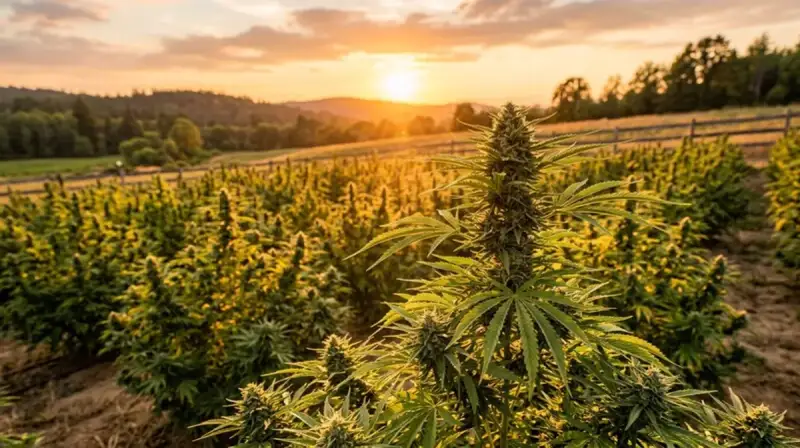
Height management is critical indoors. Hawaiian Snow can easily exceed 180–200 cm indoors if left unmanaged, requiring topping, super-cropping, or ScrOG techniques to control vertical growth and improve canopy uniformity. Outdoor plants in full sun can reach 3 meters or taller, producing spectacular columnar structures.
Climate preferences reflect its tropical heritage. Hawaiian Snow thrives in warm, moderately humid conditions during vegetative growth (24–28°C, 55–65% RH). Flowering requires lower humidity (45–55%) to prevent mold in the relatively open but still substantial cola structures that develop. The strain is tolerant of heat but sensitive to cold — temperatures below 15°C in the final weeks can stress the plant and reduce yield.
Outdoor cultivation is ideal in truly warm climates — Southern Spain, Southern California, Hawaii, and similar latitudes — where the plant has time to complete its long flowering cycle before autumn rains or cold. Indoor or greenhouse cultivation is necessary in temperate climates. Yield is moderate — the loose, sativa bud structure means density is lower than indica varieties, but what Hawaiian Snow lacks in weight it more than compensates for in quality and potency.
Consumption Methods
The choice of consumption method for Hawaiian Snow significantly shapes the experience. Given the strain’s exceptional terpene complexity and the importance of those terpenes in shaping the effect profile, methods that preserve terpene integrity are particularly rewarding.
Dry herb vaporization is the clear recommendation for maximizing the Hawaiian Snow experience. Setting a vaporizer to 170–185°C captures the terpinolene and ocimene aromatic range — the tropical citrus and floral notes — while minimizing the bitter herbal char of higher-temperature combustion. The effects are smooth, progressive, and allow the user to judge intensity before overconsuming.
Joints and pipes are the traditional delivery for Haze-family strains and many connoisseurs prefer them for the familiar experience. The combustion process adds earthy and slightly spicy notes that some find complementary to the tropical base. The faster, more complete delivery of THC via combustion means onset is immediate and intensity can build quickly — awareness of dosing is important.
Edibles made from Hawaiian Snow are an exceptional experience but must be approached with extreme respect. The combination of high THC content and the long-lasting nature of Haze-derived effects, multiplied by the 11-hydroxy-THC conversion that occurs with oral ingestion, can produce an extraordinarily intense and prolonged experience that is not appropriate for inexperienced users.
Concentrates of Hawaiian Snow — particularly live resin and fresh-frozen extracts — are prized for faithfully preserving the terpene profile that makes the strain special. Cold-start dabs at 150–160°C showcase the tropical citrus and floral character in stunning clarity. This is connoisseur-level consumption and the potency requires that even experienced concentrate users exercise careful dosing.
Similar Strains Worth Exploring
Jordan Price has spent over a decade studying cannabis genetics, terpene chemistry, and cultivation practices. Working with dispensaries, seed banks, and patients across North America, Jordan translates complex botanical and pharmacological data into accessible guidance for consumers at every level of experience.