










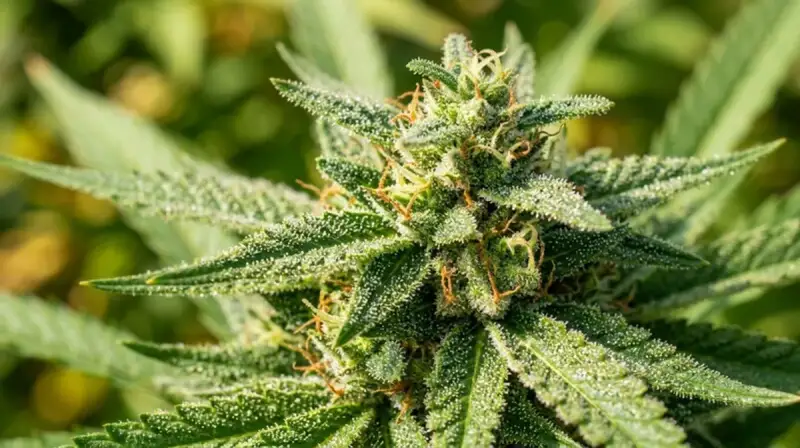
Tangie: The Definitive Citrus Sativa & Essential Breeding Strain
Tangie occupies a singular position in cannabis: it is the strain that defined what a citrus aroma in cannabis could be. Developed by DNA Genetics in the Netherlands from California Orange and Skunk #1, Tangie produced a tangerine-orange scent profile so pronounced, so immediately recognisable, and so unlike anything produced before it that it became not just a popular strain but the genetic foundation for an entire category of modern citrus hybrids — from Clementine to Mimosa to dozens of subsequent crosses. Two decades after its introduction, it remains the benchmark against which every citrus cannabis aroma is measured.
- Genetics: California Orange × Skunk #1 (DNA Genetics, Netherlands)
- Type: Sativa-dominant hybrid (70% sativa / 30% indica)
- THC Range: 17–22% — moderate-to-high; accessible without being extreme
- CBD: <1%
- Top Terpenes: Terpinolene, Myrcene, Ocimene
- Effects: Uplifting, energetic, euphoric, clear-headed; excellent daytime strain
- Medical Uses: Depression, fatigue, mild anxiety, ADD/ADHD
- Legacy: Parent of Clementine; grandparent of Mimosa; foundational citrus breeding strain
| Attribute | Detail |
|---|---|
| Type | Sativa-Dominant Hybrid (70% Sativa / 30% Indica) |
| Genetics | California Orange × Skunk #1 |
| Breeder | DNA Genetics (Netherlands) |
| THC | 17–22% |
| CBD | <1% |
| Primary Terpenes | Terpinolene, Myrcene, Ocimene |
| Flavour & Aroma | Intensely tangerine/orange citrus; sweet; slight earthy skunk base |
| Effects | Uplifting, energetic, euphoric, focused, creative |
| Medical | Depression, fatigue, mild anxiety, ADD/ADHD |
| Flower Time | 9–10 weeks (63–70 days) |
| Indoor Yield | 400–500g/m² |
| Difficulty | Moderate — suitable for intermediate growers |
Genetics: California Orange × Skunk #1
DNA Genetics is one of the most respected seed banks in the Netherlands — a founding institution of the Dutch cannabis breeding scene and responsible for a catalogue that includes some of the most genetically significant strains of the post-2000 era. Tangie was developed as a recreation and amplification of the California Orange (Cali-O) genetics that were popular in the late 1980s and early 1990s Dutch coffeeshop scene before largely disappearing.
California Orange is itself an old-school hybrid with a distinctively citrus-orange character that was among the first cannabis varieties to be noted specifically for its fruit aroma rather than its earthy or fuel qualities. The variety had largely faded from commercial availability by the time DNA Genetics began working with it. By crossing Cali-O with Skunk #1 — one of the most reliably productive and stable hybrid strains in the Dutch seed bank tradition — DNA Genetics achieved two goals simultaneously: they stabilised the notoriously variable Cali-O genetics into a more consistent, commercially viable strain, and they amplified the orange-citrus terpene expression to levels that the original variety never achieved.
The result was Tangie: a Skunk #1-stabilised California Orange that expressed the citrus terpene profile at extraordinary intensity. The terpinolene and ocimene combination responsible for the tangerine aroma is present in trace amounts in many cannabis varieties but at dominant concentrations in Tangie it becomes the overwhelming defining characteristic — not merely a note but the entire aromatic identity of the plant.
Tangie’s genetic legacy extends far beyond its own commercial popularity. DNA Genetics released it widely enough that it became a foundational parent strain: Clementine (Tangie × Lemon Skunk, bred by Crockett Family Farms) became one of the most awarded sativa hybrids of its era, and Clementine then crossed with Purple Punch to produce Mimosa — one of the defining strains of the 2018–2020 California craft cannabis boom. The citrus genetics from Tangie now run through dozens of popular strains, making it one of the most influential breeding contributions of the last two decades.
Terpene Profile
| Terpene | Aroma Note | Effect Role | Also Found In |
|---|---|---|---|
| Terpinolene | Floral, citrus, pine, fresh | Uplifting, energising; the primary driver of the bright citrus aromatic character | Jack Herer, Ghost Train Haze, Dutch Treat, Clementine |
| Myrcene | Earthy, musky, slightly tropical | Slightly relaxing physical base; enhances THC absorption; prevents the terpinolene from producing excessive anxiety | OG Kush, Blue Dream, Haze, Durban Poison |
| Ocimene | Sweet, herbal, tropical, woody | Uplifting; contributes to the sweet-citrus aromatic brightness; antioxidant | Strawberry Cough, Clementine, Dutch Treat, Mimosa |
Tangie’s terpene profile is dominated by the terpinolene-ocimene combination that produces its famous citrus-orange aroma. This combination is unusual in cannabis: most strains are dominated by caryophyllene, myrcene, or limonene. Terpinolene and ocimene together at elevated concentrations produce the fresh-orange, almost candy-like citrus quality that is specifically tangerine rather than the sharper lemon or grapefruit notes produced by limonene-dominant strains.
The myrcene component plays a moderating role in Tangie that is often underappreciated. Pure terpinolene at high concentrations in a high-THC strain (as in Ghost Train Haze) can produce overwhelming, anxiety-inducing cerebral effects. In Tangie, the myrcene provides just enough physical grounding and THC-absorption enhancement to smooth the experience into something more accessible — uplifting and energising rather than racing and overwhelming. This is why Tangie at 17–22% THC is considerably more manageable than Ghost Train Haze at 18–28%, despite sharing two of the three same dominant terpenes.
In live resin and concentrate, the terpinolene-ocimene combination produces an extract that smells remarkably like fresh orange peel — preserved at higher intensity than in flower. Tangie extracts are considered among the most distinctive-smelling concentrates in cannabis and command premium prices from citrus-lovers in the California legal market.
Effects
Tangie delivers a clean, uplifting sativa experience that is accessible to a wider range of users than its potency-leading counterparts. At 17–22% THC with a terpinolene-forward uplifting profile, it provides genuine and pronounced effects without the overwhelming intensity that characterises ultra-high-THC sativas.
Onset (0–10 Minutes)
Onset is gentle and pleasant: a subtle mood brightening and mild sensory enhancement in the first few minutes, progressing to a clear, uplifted mental state by 5–10 minutes. The absence of an abrupt, disorienting onset is one of Tangie’s most appreciated qualities among experienced sativa users. It rises smoothly rather than hitting suddenly, giving users clear feedback on their dose response and time to assess before consuming more.
Peak (10–120 Minutes)
The Tangie peak is characterised by clear-headed euphoria, elevated mood, and a motivated, focused energy that is qualitatively different from the racing, overwhelming cerebral stimulation of very high-THC sativas. Creativity and social engagement come naturally in the peak phase. Physical effects are minimal — a light body energy, reduced muscle tension, and comfortable physical ease rather than heaviness or sedation. For daytime functional use, the peak phase of Tangie is one of the most practical cannabis states available.
Tail (120–210 Minutes)
The tail is a gentle, comfortable return to baseline. Some residual mood elevation persists. Unlike indica tails which trend toward sedation, Tangie’s tail is clear and functional, with a mild relaxed quality from the myrcene component. Evening use is possible at lower doses without significantly disrupting sleep, though the stimulating terpinolene character means heavy evening use can delay sleep onset.
Medical Uses
- Depression: Tangie is an effective daytime option for depression, particularly for the low-mood, low-energy, anhedonic presentations where a sedating indica would compound the problem. The terpinolene-driven euphoria and mood elevation are pronounced and functional. It does not produce the overwhelming intensity of ultra-high-THC sativas, making it more consistently manageable for daily use.
- Fatigue & Low Energy: The energising, activating quality makes Tangie suitable for fatigue management in contexts where stimulant medications are contraindicated or undesirable. Appropriate for morning or midday use.
- Mild Anxiety: Unlike high-THC sativas with stimulating terpene profiles, Tangie at 17–22% THC with myrcene moderation is suitable for mild anxiety in users who tolerate sativa effects. The mood elevation and gentle physical ease reduce generalised anxiety without the sedation of indica options. Not suitable for panic disorder or severe anxiety; caution at higher doses.
- ADD/ADHD: Some users with ADD/ADHD report focusing benefits from terpinolene-dominant sativas. Tangie’s moderate potency makes it more appropriate for this application than ultra-high-THC options where dose control is more difficult.
Always consult a licensed healthcare provider before using cannabis for medical conditions.
Tangie’s Breeding Legacy: Citrus Hybrid Family Tree
Understanding Tangie’s role in cannabis breeding explains why it remains relevant long after its commercial peak. The terpinolene-ocimene citrus genetics that define Tangie’s aroma profile passed directly into its offspring and their offspring, creating a family of strains now widely represented across California dispensaries:
| Strain | Parentage | Tangie Inheritance | Key Distinction |
|---|---|---|---|
| Tangie | California Orange × Skunk #1 | Original | The defining citrus sativa; this guide |
| Clementine | Tangie × Lemon Skunk | Direct offspring | Multiple awards; slightly more lemon-forward; higher average THC |
| Mimosa | Clementine × Purple Punch | Grandchild (via Clementine) | More balanced indica influence; brunch-culture popularity; purple genetics |
| Tangie Banana | Tangie × Banana OG | Direct offspring | Citrus-banana hybrid aroma; slightly more indica |
| Tangie Dream | Tangie × Blue Dream | Direct offspring | Softer citrus; more blueberry note; smoother effects |
This family tree demonstrates Tangie’s importance not just as a strain to consume but as a genetic contributor: its terpene profile was distinctive enough to persist and define offspring, grandchildren, and great-grandchildren strains in a way that few cannabis varieties achieve.
Growing Tangie
Tangie is a moderately demanding sativa that is accessible to intermediate growers who understand sativa growth patterns. It is more manageable than fully sativa-dominant haze varieties — the Skunk #1 parent provides structural stability and shortens the flowering time compared to pure California Orange or haze genetics — but it requires attention to the stretch and adequate space.
| Factor | Indoor | Outdoor |
|---|---|---|
| Flowering Time | 9–10 weeks (63–70 days) | Late October |
| Yield | 400–500g/m² | 500–700g per plant |
| Height | 100–160cm (moderate stretch) | 150–250cm |
| Difficulty | Moderate | Moderate |
| Optimal Climate | 70–80°F, 40–50% RH late flower | Mediterranean-type; warm, dry autumn |
| LST Benefit | High — controls stretch and improves yield | Topping beneficial |
| Terpene Development | Peaks in final two weeks; late harvest optimal | Harvest on time for peak citrus |
The sativa genetics in Tangie produce a moderate stretch at the flip to 12/12 — typically 1.5–2x vegetative height in the first three weeks of flower. This is less extreme than pure haze varieties but still requires planning in standard low-ceiling indoor environments. Low-stress training (LST) during veg is the most effective management technique: bending and tying branches horizontally exposes more of the canopy to light, manages height, and increases the number of primary bud sites accessible to direct light.
Tangie benefits particularly from allowing the full flowering time to complete. Terpene development — specifically the terpinolene-ocimene citrus profile — continues developing through the final two weeks of flower. Harvesting early to save time produces buds with noticeably less citrus intensity and lower aromatic complexity. The wait is worth it: peak Tangie, harvested at the right moment with full terpene development, is among the most aromatically satisfying harvests possible.
Outdoor cultivation in Mediterranean-climate conditions produces outstanding results. Full-season root development in large containers or ground soil can produce plants of 150–250cm with 500–700g yields. The October finish time suits most temperate outdoor climates; growers above 50° latitude should monitor for early frosts in October and be prepared to harvest early if necessary.
Drug Test Detection Windows
| Test Type | Occasional User | Regular User | Daily User |
|---|---|---|---|
| Urine | 3–7 days | 10–21 days | Up to 30+ days |
| Blood | 1–3 days | 3–7 days | 7–14 days |
| Saliva | 24–72 hours | 3–5 days | Up to 7 days |
| Hair Follicle | Up to 90 days | Up to 90 days | Up to 90 days |
See our full drug testing guide for comprehensive detection window information.
Related Guides
Clementine Mimosa Agent Orange Jack Herer Terpinolene Guide Creativity & Focus Effects Cannabis for Depression Drug Testing Guide All StrainsFrequently Asked Questions
Jordan Price
Cannabis Cultivation Specialist — ZenWeedGuide
Jordan specialises in cannabis genetics, terpene science, and cultivation techniques. His guides draw on peer-reviewed research and hands-on growing experience across indoor and outdoor environments.