










Tucson Dispensaries: The Complete Buyer’s Guide
Tucson is the second-largest city in Arizona and the home of the University of Arizona (UArizona), the state’s flagship public research university with approximately 47,000 students. With Arizona’s Proposition 207 legalizing recreational cannabis in November 2020, Tucson’s dispensaries — many of which had been operating as medical-only shops since Arizona’s 2010 medical cannabis program launched — transitioned quickly to adult-use sales. The result is one of the Southwest’s most experienced and diverse dispensary markets: operators with over a decade of operational history, a strong medical patient base, a substantial university-age recreational consumer population, and a desert city outdoor culture that drives year-round cannabis tourism. This guide covers everything you need for a confident legal cannabis purchase anywhere in the Tucson metro area.
- Recreational: Arizona Proposition 207 (November 2020) — adult-use sales began January 2021. Arizona Department of Health Services (ADHS) regulates all cannabis licensing statewide.
- Recreational possession limit: 1 ounce (28g) of flower and 5 grams of concentrate for adults 21+.
- Medical program: Arizona Medical Marijuana Act (AMMA), Proposition 203 (November 2010) — one of the earliest state medical programs in the US. Tucson has had licensed medical dispensaries continuously since 2012.
- Medical possession limit: Up to 2.5 ounces per two-week period for registered ADHS patients.
- Tax structure: Arizona 16% cannabis excise tax + 5.6% standard state sales tax + Tucson city sales tax (approximately 2.6%). Total effective burden approximately 24–27%.
- Public consumption: Prohibited in all public places and vehicles. Only permitted on private property with owner’s consent. No licensed consumption lounges in Tucson.
- U of A market: University of Arizona’s 47,000 students on Tucson’s east side create a major recreational consumer base that shapes the character of east Tucson and University District dispensaries significantly.
- Home cultivation: Adults 21+ may cultivate up to 6 plants per person (maximum 12 per household) for personal use under Arizona law. Plants must be grown in an enclosed, locked space not visible from a public place.
- No black market crossover: Tucson has had legal medical cannabis since 2012 — the licensed market is well-established and knowledgeable. Only purchase from ADHS-licensed dispensaries with state-required lab testing.
Arizona Cannabis Law: From Prop 203 to Prop 207
Arizona’s cannabis journey spans two decisive ballot measures. Proposition 203, the Arizona Medical Marijuana Act, passed narrowly in November 2010 — by less than 5,000 votes out of nearly 1.7 million cast — making Arizona the 15th state in the US to establish a medical cannabis program. The Arizona Department of Health Services (ADHS) administered the program with a limited-license model: the number of dispensary licenses was capped at one per approximately 10 licensed pharmacies in each county, resulting in a relatively small number of highly capitalized operators entering the market. Tucson’s Pima County licenses brought the first medical dispensaries to the city in 2012.
Because Arizona’s medical program used a limited-license model from the beginning, Tucson’s dispensary operators developed deep operational experience over many years before recreational legalization. When recreational sales began in January 2021 following Proposition 207’s November 2020 passage, Tucson’s dispensaries were among the best-prepared in the country for the transition. Staff were already trained, product quality standards were established, and compliance infrastructure was in place. The recreational rollout in Tucson was notably smooth compared to other state transitions.
Proposition 207, the Smart and Safe Arizona Act, passed with 60% voter support in November 2020 — a much more decisive margin than the 2010 medical measure. The law established adult-use possession limits (1 ounce flower, 5 grams concentrate), home cultivation rights for adults (up to 6 plants per person, maximum 12 per household, in an enclosed locked space), and directed ADHS to begin issuing recreational sales endorsements to existing medical operators immediately while processing new license applications. See our Arizona state cannabis guide for the complete legal framework.
Arizona’s 16% cannabis excise tax was set higher than California’s 15% but lower than Illinois’ multi-layer stack. Combined with standard state and city sales taxes, Tucson’s total effective cannabis tax burden at the register is typically 24–27% — substantial but not the highest in the US. Medical patients registered with ADHS pay only the standard Arizona sales tax (5.6% + local) on cannabis purchases, exempt from the 16% recreational excise. The financial benefit of medical registration for regular Tucson cannabis consumers is approximately $1,600 annual savings per $10,000 spent on cannabis.
“Tucson dispensaries have been doing this for over a decade with medical cannabis before recreational arrived. The operational maturity and product knowledge you find in Tucson’s best shops is unmatched in most comparable-size US markets.”
The Tucson Dispensary Scene: Neighborhoods & Key Areas
Tucson’s dispensary distribution reflects the city’s sprawling desert geography. Unlike transit-dense cities, Tucson is primarily car-oriented, and most dispensaries have ample parking. The city’s licensed dispensaries are spread across north Tucson, midtown, the University District on the east side, south Tucson, and the Marana and Oro Valley suburban communities to the north. Here is the neighborhood-by-neighborhood breakdown.
University District / 4th Avenue: The area east and north of the UArizona campus along Campbell Avenue and 4th Avenue has a cluster of dispensaries serving the student population and the neighboring midtown residential community. Shops in this corridor tend toward value pricing, quick-service operations, and loyalty programs oriented toward the university-age consumer base. 4th Avenue’s walkable, eclectic character makes this the most pedestrian-friendly dispensary zone in Tucson outside of downtown.
North Tucson / Foothills: The more affluent residential communities of north Tucson and the Catalina Foothills host dispensaries oriented toward premium product and extended customer consultation. Shops in this area often stock the widest range of premium flower, craft extracts, and medical-grade products, with staff experienced in discussing terpene profiles and cannabinoid ratios with a health-conscious consumer base.
Midtown Tucson (Broadway / Speedway corridors): The city’s commercial midtown corridors along Broadway, Speedway, and Grant Road have multiple licensed dispensaries serving the broad residential middle of the city. These shops combine competitive pricing with professional operations and represent the everyday working Tucson cannabis market. High-volume shops in this zone run frequent deals and promotional pricing.
East Tucson / UArizona area: The eastern neighborhoods extending from the UArizona campus toward the Rincon Mountains have dispensaries serving both students and established east-side residents. Proximity to the UArizona campus means these shops see heavy student traffic during the academic year and a different visitor mix during summer when the university population shifts.
South Tucson / Airport area: Dispensaries on the south side serve Tucson’s more price-sensitive consumer base with competitive everyday pricing and convenient access from I-10 for visitors passing through the city. Tucson International Airport is nearby — do not take cannabis to or from TUS, which is a federally regulated facility.
What to Bring to a Tucson Dispensary
Tucson dispensaries have been checking IDs and verifying patients since 2012. Their staff are experienced, thorough, and professional. Here is what to bring for your first visit.
- Valid government-issued photo ID: Arizona driver’s license, out-of-state driver’s license, US passport, passport card, military ID, or tribal enrollment card. Must show date of birth and must not be expired. Arizona requires dispensaries to record ID information for state compliance — this is standard at all ADHS-licensed locations.
- Cash or debit card: Many Tucson dispensaries have more banking options than newer-market states due to their longer operational history and regional banking relationships. Some shops accept debit cards or even limited credit processing. Cash remains universally accepted. Call ahead or check the shop website to confirm current payment options.
- ADHS medical card (if applicable): Arizona medical cannabis patients with a valid ADHS patient registry card pay only standard sales tax (no 16% excise) and may purchase up to 2.5 ounces per two-week period. Always bring your medical card to access medical pricing and higher purchase limits at any Tucson dispensary.
- Pre-order confirmation: Tucson dispensaries near the UArizona campus and in the midtown commercial corridor can have significant wait times during peak periods. Online pre-ordering through Leafly, Weedmaps, or shop websites is strongly recommended, especially during the academic year when student demand is highest.
- Private consumption plan: Arizona prohibits public consumption. If you are visiting Tucson for tourism — Saguaro National Park, Mount Lemmon, Fourth Avenue, the Arizona Sonora Desert Museum — all of these are public spaces where consumption is prohibited. Plan a private setting for consumption before purchasing.
Tucson Cannabis: Video Overview
Product Types at Tucson Dispensaries
Arizona-licensed Tucson dispensaries carry the full range of cannabis product categories permitted by ADHS regulations. All products must be produced by ADHS-licensed Arizona cannabis cultivators and processors, lab-tested for potency and safety, and packaged in child-resistant compliant labeled containers. Here is what to expect on the Tucson menu.
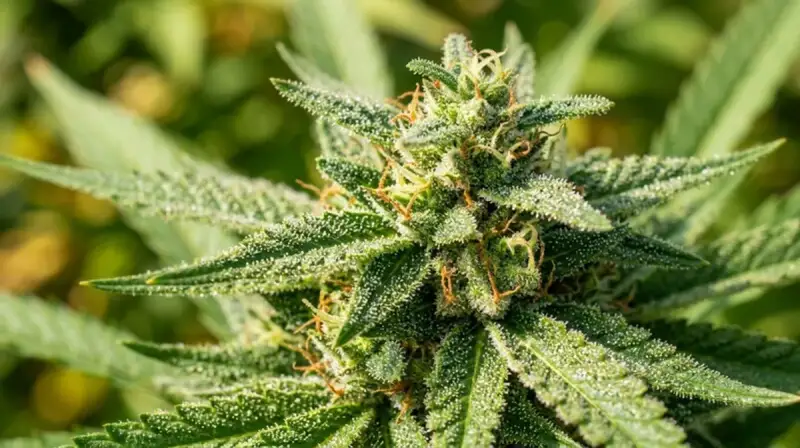
Flower: Arizona’s warm, dry desert climate supports both indoor and outdoor cannabis cultivation. Tucson dispensaries carry indoor-grown premium flower from Arizona-based cultivators alongside competitively priced mid-tier options. Many of Tucson’s longer-operating dispensaries have developed exclusive growing relationships over their decade-plus of operation, giving them access to consistent, quality-controlled flower unavailable at newer market entrants. THC percentages across the Tucson market range from mid-teens on budget indoor to high-twenties and low-thirties on premium small-batch. Explore cannabis effects to understand how different strains affect you.
Edibles: Arizona-licensed edibles are capped at 10mg THC per serving. Gummies are the volume leader across Tucson dispensaries. Chocolates, caramels, hard candies, beverages, and baked goods are widely available. The university student consumer base drives high edible demand in Tucson’s dispensaries year-round, with particular demand for discrete, portable formats. Always start with a single 10mg serving and allow 90 minutes for onset before consuming more.
Vape cartridges and disposables: Distillate, live resin, and full-spectrum extract cartridges are standard across Tucson menus. Arizona-licensed vape products carry mandatory potency labels and lot-specific test results. Tucson’s UArizona corridor dispensaries typically stock a wide range of vape products to match the student demand for discreet portable formats.
Concentrates: Wax, shatter, live resin, rosin, and badder are available at most Tucson dispensaries. Arizona’s desert climate creates specific advantages for concentrate production — low ambient humidity reduces moisture-related degradation during processing, contributing to high-quality solventless rosin from Arizona producers. See our concentrates guide for full format details.
Topicals: THC and CBD-infused topicals are well-represented in Tucson’s market given the city’s large retiree population and health-conscious consumer base. Cannabis topicals for joint pain, neuropathy, skin conditions, and sports recovery are popular at north Tucson and Foothills-area dispensaries serving older demographics. Non-intoxicating when applied to skin.
Tinctures and capsules: Arizona’s mature medical program has historically demanded precise, physician-managed dosing formats. Tinctures and capsules are well-developed product categories in Tucson’s dispensaries, with accurate cannabinoid labeling per dose — important for medical patients managing specific conditions. High-CBD, low-THC, and 1:1 balanced ratio options are common.
Tucson Cannabis Price Guide
Arizona’s 16% excise tax plus standard state and city sales taxes add approximately 24–27% to pre-tax prices at Tucson dispensaries. However, Arizona’s limited-license model historically maintained higher prices than fully open-market states like California. Competition from the transition to recreational and new license issuance has driven prices downward since 2021. The following reflects typical pre-tax pricing at licensed Tucson dispensaries.
| Product | Budget Range | Mid Range | Premium Range | Notes |
|---|---|---|---|---|
| Flower (1/8 oz, 3.5g) | $25–$38 | $38–$52 | $52–$70 | Limited-license market; prices higher than CA or CO |
| Flower (1 oz) | $110–$160 | $160–$220 | $220–$300 | Bulk deals available; prices declining as market opens |
| Pre-rolls (1g) | $9–$14 | $14–$20 | $20–$30 | Infused pre-rolls popular in U of A corridor |
| Vape cartridge (0.5g) | $25–$38 | $38–$55 | $55–$75 | Live resin at premium; distillate budget tier |
| Edibles (100mg package) | $15–$24 | $24–$35 | $35–$50 | 10mg/serving cap; gummies dominant format |
| Concentrates (1g) | $35–$52 | $52–$72 | $72–$100 | AZ desert climate supports quality solventless rosin |
| Tincture (30mL) | $28–$45 | $45–$65 | $65–$95 | Medical-grade dosing important in mature AZ program |
Best Neighborhoods for Tucson Dispensary Shopping
Tucson is primarily a car-oriented city, and most dispensary visits are by personal vehicle. Here is the practical neighborhood guide for planning your Tucson cannabis shopping trip.
University District / 4th Avenue: Best for student-budget pricing and walkable dispensary access from UArizona. Multiple shops within a short walk of each other along Campbell and 4th Avenue. The most pedestrian-friendly dispensary zone in Tucson. Peak academic year demand means pre-ordering is particularly helpful here.
North Tucson / Foothills: Best for premium product selection and extended consultation with experienced staff. Higher-income consumer base drives stocking of premium craft flower and concentrate products. Access typically requires a car — Sunstone Drive, Oracle Road, and La Cholla are key corridors.
Midtown (Broadway / Speedway): Best for value and efficiency for everyday purchases. High-volume shops run daily deals and loyalty programs. Most central location in the city for residents across multiple zip codes. Multiple bus routes serve these corridors.
Marana / Northwest Tucson: Best for visitors staying at northwest Tucson hotels near I-10. Marana dispensaries serve the retail-commercial northwest growth corridor with competitive pricing and ample parking at all locations.
Medical vs. Recreational in Tucson
Arizona’s medical cannabis program is one of the oldest and most experienced in the country. Tucson medical dispensaries have operated continuously since 2012, and many of the city’s dispensary staff have years or decades of medical patient consultation experience. Medical patients registered with ADHS may purchase up to 2.5 ounces every two weeks and pay only standard sales tax (no 16% recreational excise) — a significant financial benefit for regular consumers.
Qualifying conditions under the Arizona Medical Marijuana Act include cancer, glaucoma, HIV/AIDS, hepatitis C, ALS, Crohn’s disease, agitation of Alzheimer’s, chronic pain, severe nausea, seizures (including epilepsy), severe or persistent muscle spasms, PTSD, and any chronic or debilitating disease where medical use is judged beneficial by a physician. The application requires a physician recommendation and ADHS online registration with a $150 annual fee ($75 for qualifying patients on AHCCCS, Arizona’s Medicaid). See our medical cannabis guide for full details on the certification process and qualifying conditions.
Cannabis Consumption Rules in Tucson
Arizona law prohibits all public cannabis consumption. Tucson aligns with state law on all public consumption rules. There are no licensed cannabis consumption lounges operating in Tucson. All consumption must occur on private property with the property owner’s or tenant’s consent.
Where consumption IS permitted: Private residences with owner’s permission. Vacation rentals that explicitly permit cannabis. Outdoor private property — Arizona law requires home-grown plants to be in an enclosed locked space, but does not specifically prohibit consumption in a private outdoor space unless it is visible from a public place. Check with your landlord or property manager before consuming at a rental.
Where consumption is PROHIBITED: All parks including Saguaro National Park and all city parks. All public streets, sidewalks, and parking areas. All UArizona campus grounds. All vehicles whether moving or parked on a public road. All hotels by property policy regardless of outdoor private area availability. Tucson International Airport and all federal facilities. Any area within 1,000 feet of a school.
Desert tourism consideration: Tucson’s famous outdoor attractions — Saguaro National Park, Mount Lemmon, the Arizona-Sonora Desert Museum, Sabino Canyon, Tumacacori National Historical Park — are all public or federal lands where cannabis is prohibited. Do not consume at any outdoor public recreational site in or around Tucson. The Sonoran Desert’s remote terrain does not make consumption “private” under Arizona law.
Getting Around Tucson to Dispensaries
Tucson is primarily car-dependent but has a modern Sun Link streetcar, SunTran bus network, and limited bike infrastructure in the central city. Here is the practical transport breakdown for dispensary visits.
Driving: The standard and most practical option for most Tucson dispensary visits. All major dispensaries have free dedicated parking. Keep cannabis in sealed child-resistant packaging in a closed compartment of the vehicle during transport. Do not consume in the vehicle.
Sun Link Streetcar: The 4-mile modern streetcar route connects downtown Tucson, 4th Avenue, and the UArizona campus. Useful for visiting 4th Avenue and University District dispensaries from downtown hotels. Does not extend to north Tucson or south side locations.
SunTran Bus: SunTran’s bus network serves most Tucson dispensary corridors including Broadway, Speedway, Grant, and Oracle. Service frequency is more limited than urban transit systems — check schedules before relying on bus for a time-sensitive dispensary visit.
Rideshare: Uber and Lyft are reliably available throughout Tucson. The most practical option for visitors without a rental car for dispensaries outside the streetcar corridor. Do not consume cannabis in rideshare vehicles.
Frequently Asked Questions
Is recreational cannabis legal in Tucson, Arizona?
Yes. Arizona Proposition 207 passed in November 2020 legalizing recreational cannabis for adults 21+. Tucson dispensaries began adult-use sales in January 2021. Adults may possess 1 ounce of flower and 5 grams of concentrate. ADHS regulates all Arizona cannabis licensing statewide.
How much cannabis can I buy in Tucson?
Adults 21+ may purchase 1 ounce (28g) of flower and 5 grams of concentrate per transaction. Arizona medical patients registered with ADHS may purchase up to 2.5 ounces per two-week period at any ADHS-licensed dispensary and pay only standard sales tax (no 16% recreational excise).
When did Arizona’s medical cannabis program start?
Arizona voters approved the Arizona Medical Marijuana Act through Proposition 203 in November 2010, making it one of the earliest state programs in the US. Tucson has had licensed medical dispensaries since 2012 — a decade-plus of operational history that gives Tucson’s dispensary staff exceptional product and patient consultation experience.
Can I consume cannabis in public in Tucson?
No. Arizona law prohibits all public cannabis consumption. Consumption is only permitted on private property with the owner’s consent. This includes all parks, public trails, UArizona campus grounds, vehicles, and all outdoor public areas. Tucson has no licensed cannabis consumption lounges. Plan a private consumption setting before purchasing.