





- Detox drinks do not flush THC-COOH from fat tissue — they temporarily dilute urine concentration only
- Labs measure creatinine and specific gravity alongside THC metabolites — dilution is detectable
- A creatinine below 20 mg/dL or specific gravity below 1.003 flags a specimen as dilute, triggering mandatory retest
- B vitamins and creatine in detox drinks compensate for dilution markers but do not guarantee passing validity checks
- The only variables that affect actual THC-COOH clearance rate are time, cessation, body fat percentage, and metabolic rate
- For heavy daily users, stored THC-COOH concentration is typically too high for dilution to reliably produce a negative
- Detox drinks may have marginal benefit for occasional users already near the detection threshold
How THC-COOH Is Stored and Eliminated
Understanding why detox drinks cannot “flush” THC requires understanding how the metabolite is handled by the body. When cannabis is consumed, THC is rapidly absorbed and metabolized by the liver via CYP2C9 and CYP3A4 enzymes into 11-hydroxy-THC and then into the primary urinary metabolite 11-nor-9-carboxy-THC (THC-COOH).
THC-COOH is lipophilic — it binds strongly to fat tissue throughout the body and is released slowly over time as fat cells turn over. This stored reservoir continuously releases small amounts back into the bloodstream, which are then excreted via two routes: urine (primarily as glucuronide conjugates) and bile/feces (accounting for roughly 30-35% of elimination).
Drinking large amounts of water cannot access or mobilize this fat-stored reservoir. The rate at which THC-COOH is released from fat tissue is determined by your metabolic rate and body fat percentage, not by urine output. Increasing urine volume only affects the concentration of THC-COOH in a given urine specimen — not the total amount stored in the body.
What Is Actually in a Detox Drink
Every commercial cannabis detox drink operates on the same mechanism regardless of branding, “proprietary blends,” or marketing language. The functional ingredients are:
| Ingredient | Claimed Purpose | Actual Mechanism | Effectiveness |
|---|---|---|---|
| Large water volume (16–32 oz) | “Flushes” toxins | Dilutes urine THC-COOH concentration | Temporary dilution only; detectable |
| Diuretics (dandelion, uva ursi, caffeine) | Accelerates cleansing | Increases urination frequency and volume | Increases dilution window marginally |
| Creatine monohydrate | Maintains “natural” urine | Metabolizes to creatinine, raising urine creatinine level | Partially masks dilution on creatinine check |
| B2 / B12 vitamins | Restores color | Riboflavin makes dilute urine yellow | Visual masking only; does not affect chemical validity checks |
| Herbal “cleansing” blends | “Detoxifies” system | No pharmacological effect on THC-COOH | Marketing only — zero demonstrated effect |
How Labs Detect Dilution Attempts
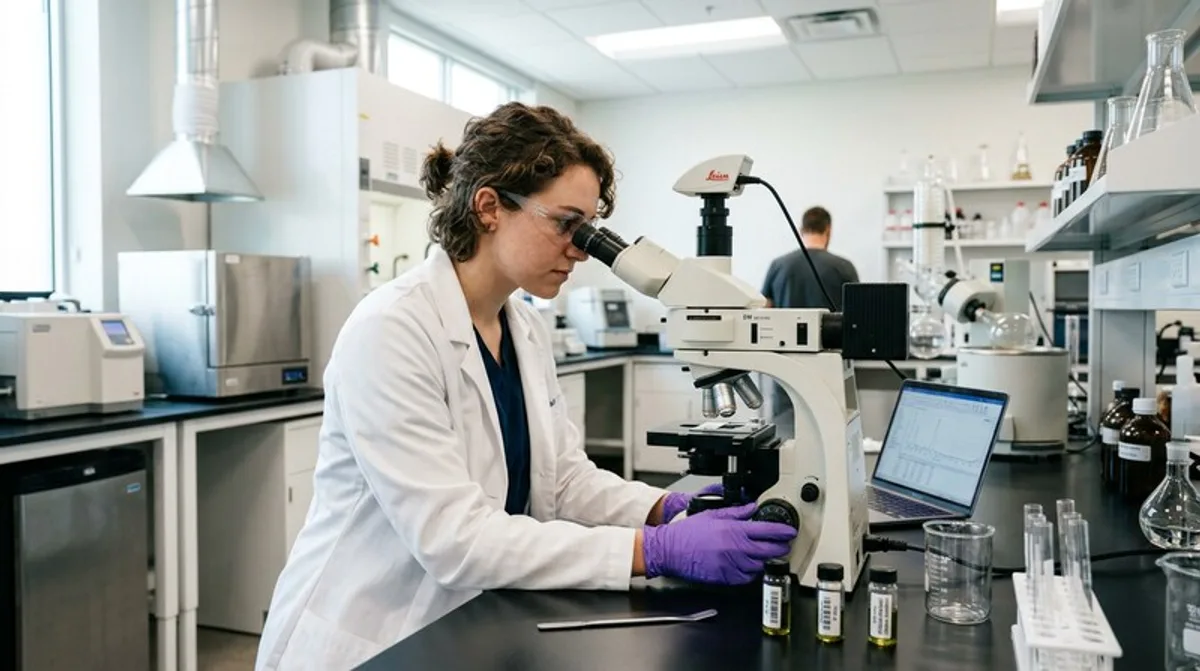
SAMHSA-certified drug testing laboratories do not test for THC-COOH in isolation. Every specimen undergoes a specimen validity test (SVT) panel that measures multiple parameters alongside the immunoassay. A specimen that passes the THC cutoff but fails validity checks does not result in a negative report — it results in a dilute or substituted result.
| Validity Check | Normal Range | Dilute Threshold | Substituted Threshold |
|---|---|---|---|
| Creatinine (mg/dL) | 20–300 | 2–20 = dilute | <2 = substituted |
| Specific Gravity | 1.003–1.030 | 1.001–1.003 = dilute | <1.001 or >1.020 = substituted |
| pH | 4.5–8.5 | Outside range = potential adulteration | <3 or >11 = adulterated |
| Oxidizing agents | Not detected | — | Any detected = adulterated |
A creatinine between 2–20 mg/dL combined with specific gravity between 1.001–1.003 = dilute result. The Medical Review Officer reports this to the employer. Under 49 CFR Part 40 (DOT rules), a dilute result requires an immediate retest, typically under direct observation by a collection site employee.
THC-COOH Detection Windows by Use Frequency
The fundamental reason detox drinks fail heavy users is that detection windows are determined by fat-stored THC-COOH, not by recent consumption. These estimates assume SAMHSA’s 50 ng/mL cutoff:
| Use Pattern | Estimated Clearance (Urine) | Detox Drink Impact |
|---|---|---|
| One-time use (single session) | 3–7 days | May help near day 4–6 if already close to threshold |
| Occasional (1–3x per week) | 7–21 days | Marginal benefit if testing after 10+ days of abstinence |
| Regular (4+ times per week) | 21–45 days | Very limited — stored levels too high for dilution to bridge gap |
| Heavy daily use | 30–90 days | Negligible — dilution cannot overcome stored fat-tissue reservoir |
| Heavy daily use (high body fat) | 60–90+ days | Negligible — extended storage further undermines dilution strategy |
The Exercise Paradox Before Testing
Some users believe that exercising intensively before a drug test will “burn off” THC-COOH. The pharmacology is more nuanced. Aerobic exercise does mobilize fat stores, which releases stored THC-COOH into the bloodstream and temporarily increases urinary THC-COOH excretion. For heavy users, this means exercising in the 24–48 hours before a test can actually elevate THC-COOH concentrations in urine above resting baseline.
For very occasional users who have been abstaining for weeks, light exercise in the days before testing (combined with adequate time) is not harmful and may support clearance over weeks. But intense exercise on the day before or day of testing is counterproductive.
What SAMHSA-Dilution Detection Criteria Mean Practically
Even if a detox drink suppresses creatinine supplementation partially, the relationship between creatinine and specific gravity is what labs use together. A specimen with creatinine of 25 mg/dL but specific gravity of 1.001 still fails the SVT because the two measurements are inconsistent with each other — a sign of attempted manipulation beyond simple hydration.
Labs use both measurements simultaneously. High-volume fluid intake reduces both creatinine and specific gravity. Creatine supplementation raises creatinine but does not raise specific gravity proportionally. A specimen manipulated with creatine alone can show normal-range creatinine but remain flagged via specific gravity. Detox drink manufacturers know this and include combinations of ingredients, but the masking is imprecise at best.
Legal and Ethical Considerations
Attempting to adulterate or substitute a drug test specimen is a federal crime under 18 U.S.C. § 1028A for federal employees and contractors. For non-federal employment, the consequences depend on employer policy and state law. In most jurisdictions, a confirmed substituted or adulterated specimen is treated as a refusal to test — the same as a positive result — with immediate disqualification or termination. Some states make adulteration of a drug test specimen a separate criminal offense.
Frequently Asked Questions: Detox Drinks
Do detox drinks actually work for cannabis tests?
For occasional users already near the detection threshold and testing after significant abstinence, dilution via a detox drink can sometimes push a result below 50 ng/mL. This is not reliable and depends on stored THC-COOH concentration being already borderline. For regular or heavy users, stored levels are too high for dilution to overcome. Labs also flag dilute specimens and require retests.
What happens if my drug test comes back dilute?
A dilute result triggers a mandatory retest under DOT rules and most employer protocols. The retest is typically conducted under direct observation by a collection site employee, making further manipulation extremely difficult. A substituted specimen is treated as a refusal to test, equivalent to a positive in most frameworks.
Is there any drink or supplement that actually removes THC from the body faster?
No. Nothing accelerates the release of THC-COOH from fat tissue in a clinically meaningful way. The variables that determine clearance are cessation of use, time, metabolic rate, and body fat percentage. No beverage, supplement, or dietary change has been demonstrated in peer-reviewed research to meaningfully reduce THC-COOH detection windows.
How long before a drug test should I take a detox drink?
Detox drinks are designed to be consumed 60–90 minutes before the test, with the user urinating 2–3 times before providing the sample to purge more concentrated urine from the bladder. The effect window is approximately 2–5 hours. This approach only has any prospect of working for users who are already close to the negative threshold after a period of abstinence.