





- Fat-soluble: THC-COOH is stored in adipose (fat) tissue, not water-soluble — no drink can flush it.
- Dilution is not clearance: Flooding your system with water lowers concentration temporarily but does not eliminate the metabolite.
- Labs detect dilution: Creatinine below 2 mg/dL and specific gravity below 1.001 flag a sample as dilute or invalid.
- Exercise can backfire: Aerobic exercise releases fat-stored THC back into circulation, potentially raising urine levels immediately before a test.
- No shortcut exists: No product, supplement, or protocol can dissolve and excrete fat-stored metabolites in hours.
- Only reliable approach: Abstinence over sufficient time, combined with long-term body fat reduction where applicable.
Why “Detox” From Cannabis Is Misunderstood
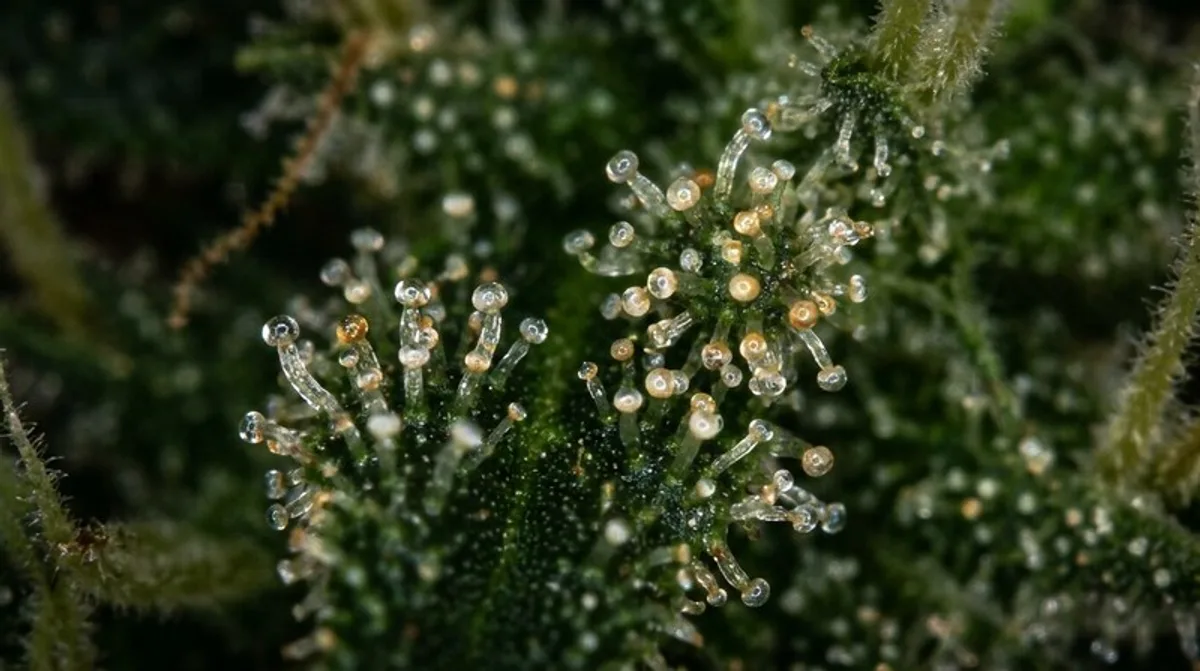
When most people say they want to “detox from cannabis,” they mean they want THC metabolites to clear from their urine fast enough to pass a drug test. The problem is that THC does not work like most other substances. Unlike alcohol or water-soluble drugs, THC (and its primary metabolite THC-COOH) is highly lipophilic — it binds readily to fat. This means it does not get filtered out by the kidneys in a simple, linear way. Instead, THC-COOH is stored in adipose tissue and released slowly back into circulation over days and weeks.
This pharmacokinetic reality is what makes cannabis uniquely detectable for far longer than most other recreational substances. A single cannabis use can produce a positive urine test for 3–7 days in an occasional user. A daily, heavy user can test positive for 30–60 days or more after complete cessation. The variance depends on how much THC-COOH has accumulated in fat stores over time, and how quickly those stores are metabolized. No product changes this fundamental biology.
Understanding this mechanism also explains why the entire commercial cannabis detox category — worth hundreds of millions of dollars — is built on exploiting scientific illiteracy. There is no credible pharmacological mechanism by which any drink, pill, or supplement can accelerate the release and excretion of fat-stored metabolites within hours. Explore the full science at THC Metabolism Science and Factors Affecting THC Detection.
The 7 Biggest Cannabis Detox Myths
1. Drinking lots of water flushes THC
This is the most widespread detox myth. The logic seems intuitive: drink more water, urinate more, flush out the metabolites. In reality, water intake has no effect on how quickly THC-COOH is released from adipose tissue. What excessive water consumption does is dilute the concentration of everything in your urine — including creatinine, specific gravity markers, and THC metabolites. A diluted sample may temporarily fall below the 50 ng/mL immunoassay cutoff, but modern drug tests specifically check for dilution. A sample with creatinine below 2 mg/dL and specific gravity below 1.001 is automatically flagged as invalid or dilute, which typically results in the test being called inconclusive or a retest being ordered.
2. Exercise clears THC faster
This myth has a kernel of truth that makes it particularly dangerous. Aerobic exercise does mobilize fat stores, and as fat cells are broken down, they release any stored THC-COOH back into the bloodstream. Over many weeks, a sustained exercise program combined with caloric reduction can reduce total body fat, shrinking the reservoir of stored metabolites and shortening the long-term detection window. However, exercising in the days immediately before a test is counterproductive: it can temporarily raise urinary THC-COOH levels as recently mobilized metabolites are excreted. Studies measuring urinary THC after exercise have consistently found short-term increases, not decreases.
3. Niacin helps pass a drug test
The niacin (vitamin B3) flush method has circulated in cannabis forums for years. The proposed mechanism — that niacin accelerates fat metabolism and speeds THC excretion — has no credible pharmacological basis. There are no peer-reviewed studies demonstrating that niacin supplementation affects urinary THC-COOH concentrations. What niacin does do at high doses is cause flushing, skin irritation, liver toxicity, and in cases of extreme megadosing, serious hepatotoxicity. Several case reports in medical literature describe liver damage in individuals who took high-dose niacin attempting to pass drug tests. This is a myth that carries genuine health risk.
4. Detox drinks work
Commercial cannabis detox drinks typically contain large amounts of water, diuretics (often caffeine or herbal ingredients like dandelion), B vitamins (to restore some color to diluted urine), and creatine (to replace creatinine diluted by excess water). When these products appear to work, it is entirely through the dilution mechanism described above. The B vitamins and creatine are included specifically to prevent labs from flagging the sample as dilute — they do not affect THC metabolite levels at all. Sophisticated labs also test for unusual creatine/creatinine ratios. There is no ingredient in any commercial detox drink that affects fat-stored THC-COOH excretion.
5. Cranberry juice or vinegar detoxes THC
Cranberry juice is a commonly recommended home remedy, often combined with the claim that it “cleanses the kidneys.” Vinegar is sometimes suggested because it acidifies urine. Neither has any pharmacological mechanism that affects fat-stored THC-COOH. The kidneys do not store THC — they simply filter what arrives in the bloodstream. Acidifying urine slightly changes the ionization of some compounds but does not alter THC-COOH excretion in any meaningful way. These are pure urban myths with no supporting evidence.
6. Sweating in a sauna removes THC
The sauna myth is based on the idea that you can sweat out toxins. While some drugs are detectable in sweat, the amount excreted through perspiration is negligible compared to urinary excretion. Studies measuring cannabinoid concentrations in sweat show that sweat patches can detect cannabis use, but the quantities involved represent a tiny fraction of total metabolite excretion. Spending time in a sauna dehydrates you (slightly concentrating urine, which is counterproductive if you are trying to dilute), but it does not meaningfully accelerate THC-COOH clearance.
7. Commercial detox kits “flush” fat-stored THC
Multi-day detox kit programs sold in dispensaries and health stores typically combine herbal diuretics, fiber supplements, and large water intake over 5–10 days. The marketing implies a deep physiological cleanse. In reality, no herbal compound has demonstrated the ability to enter adipose tissue, dissolve lipophilic metabolites, and accelerate their excretion. The fiber component may slightly reduce enterohepatic recirculation of some compounds, but the effect on THC-COOH — which is excreted primarily through urine and feces — is not clinically significant on the timescales these kits claim.
What Actually Reduces Detection Time
While no shortcut exists, several factors genuinely influence how long THC remains detectable:
Complete cessation. The most important factor. Every additional use replenishes fat-stored metabolites and resets the clock. Partial abstinence does not meaningfully accelerate clearance.
Body fat percentage. People with lower body fat have a smaller storage reservoir for THC-COOH and generally clear faster. Conversely, individuals with higher body fat and long-term heavy use have the longest detection windows. This is a biological reality, not a judgment — and it explains why detection windows vary so dramatically between individuals.
Long-term exercise and diet. Over a period of weeks to months, genuine reduction in body fat through caloric restriction and sustained aerobic exercise does shorten detection windows. This is the only physiological approach with a real mechanism.
Normal hydration. Staying normally hydrated (not excessively) supports kidney function and maintains healthy metabolic processes. This has a minor positive effect on clearance compared to dehydration, but it is not a detox strategy.
Metabolism rate. Individual variation in CYP450 enzyme activity affects how quickly THC is initially metabolized and how quickly metabolites are cleared. This is genetic and cannot be modified.
The Only Reliable Strategy: Abstinence + Time
Detection windows vary considerably based on usage frequency and body composition. This table represents approximate ranges for standard urine immunoassay testing at the common 50 ng/mL cutoff.
| Usage Pattern | Typical Detection Window (Urine) | Notes |
|---|---|---|
| Single use (first time) | 3–7 days | Clears fastest; no fat accumulation |
| Occasional (1–2x per week) | 7–14 days | Varies with body fat and potency |
| Moderate (3–4x per week) | 14–21 days | Some fat accumulation builds up |
| Daily use | 21–45 days | Significant fat reservoir |
| Daily heavy use (>3 years) | 45–90+ days | Large accumulated fat stores; high-body-fat users longer |
These are estimates, not guarantees. The only way to know your current status is to use a home urine test strip (available for $1–3 each) and test yourself. Home strips use the same immunoassay technology as standard employment screens. See our full drug test guide for a complete breakdown by test type (urine, blood, hair, saliva).
Dilute Urine: Why Labs Catch It
Modern drug testing labs are well aware of dilution attempts. Every urine sample is evaluated for validity markers before the immunoassay result is reported. The two primary validity checks are:
Creatinine concentration. Creatinine is a metabolic byproduct produced at a fairly constant rate by muscle metabolism. Normal urine creatinine ranges from 20 to 300 mg/dL. A sample with creatinine below 2 mg/dL is considered substituted (essentially not urine). A sample between 2 and 20 mg/dL is flagged as dilute. Excessive water intake dramatically lowers creatinine concentration. Creatine supplements can partially counteract this, but the ratio between creatine intake and creatinine output is measurable and abnormal patterns are flagged.
Specific gravity. Specific gravity measures the density of urine relative to water. Normal urine specific gravity ranges from 1.003 to 1.030. Specific gravity below 1.001 indicates extreme dilution or substitution. Between 1.001 and 1.003, the sample is flagged as dilute. Labs require results from two independent validity tests to be consistent before reporting a dilute result.
A “dilute” result is not a pass. Depending on employer policy, it typically triggers either an automatic re-test (often observed) or is treated as equivalent to a positive result. Learn more at Factors Affecting THC Detection.
Hair, Blood, and Saliva Tests: Different Rules Apply
Most consumer-facing discussion of cannabis detection focuses on urine tests, which are by far the most common type used in employment screening. But hair, blood, and saliva tests have very different detection windows and cannot be addressed with the same dilution logic.
Hair follicle tests detect cannabis metabolites incorporated into the hair shaft as it grows. A standard 1.5-inch (3.8 cm) hair sample represents approximately 90 days of growth history. No dilution, detox drink, or herbal supplement affects hair follicle results. Shaving your head does not help — labs can use body hair. The only “countermeasure” that exists is time and abstinence, and even then, high-frequency use leaves detectable metabolite signatures in hair for months.
Blood tests detect active THC (not just metabolites) and have the shortest detection window: THC is detectable in blood for approximately 3–4 hours after acute use in occasional users. In chronic heavy users, residual THC can be detected for up to 7 days. Blood tests are primarily used in DUI investigations and hospital settings, not employment screening. There is no intervention that meaningfully accelerates clearance from blood.
Saliva (oral fluid) tests are increasingly used in roadside enforcement. They detect THC directly — not metabolites — and have a window of approximately 24–72 hours for most users. In chronic users this may extend to 7 days. The saliva test is more closely tied to recent use than urine tests. Rinsing with water or mouthwash has no meaningful effect on results. Visit the drug test guide for full coverage of all test types.
The CBD Question: Does It Help?
A secondary myth worth addressing is whether taking CBD accelerates THC clearance. Some consumers believe that CBD “counteracts” THC and by extension might accelerate its elimination. This is not accurate. CBD does modulate some effects of THC through direct receptor competition and indirect endocannabinoid mechanisms, but it does not affect the hepatic metabolism of THC or the renal excretion of THC-COOH. CBD is itself metabolized by CYP2C9 and CYP3A4 enzymes and may in theory compete with THC metabolism in ways that slightly slow THC clearance — not accelerate it. If you are trying to pass a drug test, CBD does not help and may not be completely neutral. Note also that broad-spectrum CBD products occasionally contain residual THC that can itself contribute to positive drug test results, particularly with regular use of high-dose CBD products.
Home Test Strips: The Practical Approach
If you are approaching a urine-based employment drug screen and want to know your current status, the single most practical tool available is a home urine immunoassay test strip. These are available at pharmacies and online for $1–3 each, use the same 50 ng/mL cutoff as most standard employment screens, and give a result in minutes.
Test yourself first thing in the morning, when urine concentration is highest (most concentrated sample = most conservative result). If you pass in the morning with concentrated urine, you will almost certainly pass with the more diluted midday or afternoon sample that labs typically receive. A single negative home test is reassuring. Two negative tests on consecutive mornings provides a high degree of confidence. This is a far more reliable strategy than any detox product. Home strips do not detect the creatinine or specific gravity markers that labs use, so a positive-looking home result confirms metabolite presence, but a negative home result should still be treated with caution if your urine is unusually pale or clear.