










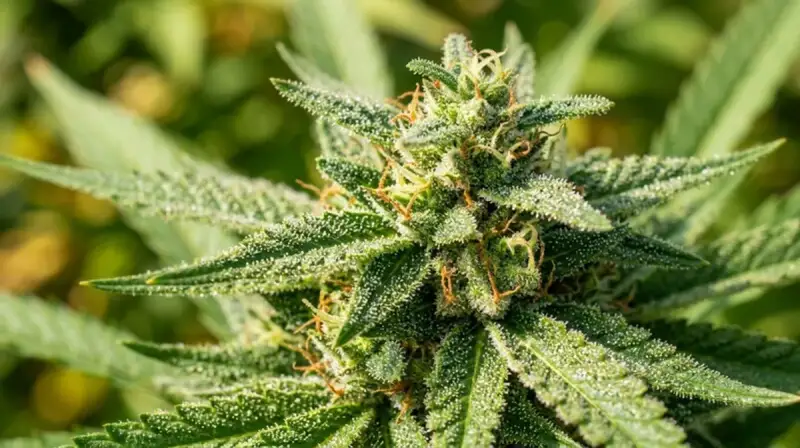
- Vaporization, not combustion: dabbing heats concentrates to the point of vaporization rather than burning them, which removes smoke-related combustion byproducts.
- 50–90% THC concentrates are used in dabbing, delivering onset within seconds and effects far more intense than flower consumption.
- Low-temperature dabs at 315–450°F preserve terpenes for maximum flavour; high-temperature dabs at 450–600°F produce larger clouds at the cost of terpene destruction.
- Quartz bangers are the current industry standard nail material, offering superior flavour retention, ease of cleaning, and thermal stability compared to titanium or ceramic.
- E-nails use digital PID controllers to hold precise temperatures, eliminating torch guesswork and enabling consistent low-temperature sessions.
- Dab rig anatomy includes the rig body (water filtration), banger or nail (heating surface), carb cap (airflow control), and dab tool (concentrate handling).
- Not recommended for beginners: the extreme potency of dabbing concentrates demands prior cannabis experience and careful dosage awareness.
What Is Dabbing? A Complete Introduction
Dabbing is a method of consuming cannabis concentrates by placing a small amount—called a “dab”—onto a heated surface and inhaling the resulting vapour. Unlike smoking cannabis flower in a joint, pipe, or bong, dabbing uses extracted cannabis concentrates that are significantly more potent, delivering rapid and intense effects with a single inhalation. The term “dab” refers both to the act of consumption and to the small portion of concentrate being applied to the nail or banger.
The practice of dabbing has grown substantially in popularity over the past decade, evolving from a niche consumption method within enthusiast communities into a mainstream option available at licensed dispensaries across legal cannabis markets. Advances in extraction technology have made concentrates more accessible, safer, and more diverse than ever before, giving consumers a wide range of products and potency levels to choose from. The cannabis concentrate market now includes dozens of product types, many of which are optimised specifically for dabbing.
Whether you’re a curious beginner or an experienced cannabis user looking to understand the practice in depth, this guide covers the complete picture: rig anatomy, nail materials, optimal temperature ranges, concentrate types, e-nail technology, safety considerations, and a frank comparison of dabbing’s risk profile versus flower consumption.
How Dabbing Differs From Smoking Cannabis Flower
Traditional cannabis consumption involves combusting dried flower, which produces smoke containing cannabinoids alongside numerous byproducts of combustion including tar, carbon monoxide, and various aromatic hydrocarbons. Dabbing uses vaporization rather than combustion. When a concentrate is placed on a hot surface—typically a quartz banger or titanium nail—it vaporizes rather than burns, creating an inhalable vapour that is generally considered smoother and more flavourful than smoke at equivalent THC doses.
The potency difference is also dramatic. While high-quality cannabis strains may contain 20–30% THC, concentrates used for dabbing routinely test between 50% and 90% THC, with some products exceeding 99%. This means dabbing produces much faster and stronger psychoactive effects, which is why it is typically recommended for experienced consumers who have already developed an understanding of their personal cannabinoid tolerance.
History and Evolution of Dabbing
Cannabis concentrates have existed in various forms for centuries—hashish has been used in Asia and the Middle East for millennia. Modern dabbing as we know it today emerged in the early 2000s in the United States, gaining significant traction in underground cannabis culture around 2010–2012 as butane hash oil (BHO) production techniques improved. As legal cannabis markets expanded from 2012 onward and commercial extraction technology matured, dabbing moved from an underground practice to a legitimate, regulated segment of the cannabis industry. Concentrates now represent one of the fastest-growing product categories in legal dispensaries in every US state that has legalised adult use.
Dab Rig Anatomy: Every Component Explained
A dab rig is a specialised water pipe designed for use with cannabis concentrates. While it resembles a traditional bong in some respects, the design is optimised for vapour rather than smoke: rigs are typically smaller and more compact, which helps preserve the terpene-rich vapour before it reaches the lungs. Understanding each component of a dab rig setup is essential before attempting to dab for the first time.
The Rig Body
The rig body is the main glass or silicone water pipe that provides water filtration and cooling for the incoming vapour. Most dab rigs hold significantly less water than traditional bongs—typically 50–150ml—because excessive water filtration can strip terpenes from the vapour before inhalation. Borosilicate glass is the standard material for quality rigs, offering thermal resistance and flavour neutrality. Silicone rigs are more durable and travel-friendly but are generally considered inferior for flavour. Recycler rigs, which continuously cycle water through multiple chambers, are popular among experienced dabbers for their smooth, cool vapour delivery.
The Banger or Nail
The banger (or nail) is the heating surface onto which the concentrate is applied. It attaches to the joint of the rig body and is heated by a torch or e-nail before a dab is applied. The banger is the single most important component in a dabbing setup because it determines heat retention, flavour quality, and ease of cleaning. Modern bangers are almost universally bucket-shaped quartz pieces that hold concentrates in a well while vapour rises through the neck into the rig body. The angled, bucket design replaced earlier vertical nail designs because it allows for more efficient concentrate pooling and better compatibility with carb caps.
The Carb Cap
A carb cap is a small cover placed over the top of the banger after the concentrate has been applied. By restricting airflow into the banger, the carb cap lowers the internal air pressure, which in turn lowers the boiling point of the concentrate. This allows the concentrate to vaporize more completely at lower temperatures—a technique known as “low-temp dabbing.” Carb caps are available in flat, bubble, directional, and spinner designs; directional and spinner carb caps create circular airflow that keeps concentrate in motion across the banger surface for more efficient vaporization and better terpene extraction. Most experienced dabbers consider a good carb cap essential equipment, not optional.
The Dab Tool
A dab tool (also called a wand or dabber) is a small pick, spatula, or paddle used to portion and apply concentrates to the heated banger. Dab tools are typically made from titanium, stainless steel, glass, or ceramic. Different tip shapes suit different concentrate textures: sharp needles work well with shatter; flat paddles are better for budder and wax; rounded balls are preferred for sauce and live resin. Using a dab tool rather than fingers protects both the consumer from burns and the concentrate from contamination.
Temperature Guide: Low-Temp vs. High-Temp Dabbing
Temperature is the most critical variable in the dabbing experience. The temperature of the banger at the moment the concentrate is applied determines how completely it vaporizes, how much of the terpene profile is preserved, and how smooth or harsh the resulting vapour is. Getting temperature wrong in either direction—too cool or too hot—degrades the experience significantly.
| Temperature Range | Vapour Character | Terpene Preservation | THC Efficiency | Best For |
|---|---|---|---|---|
| 315–400°F (157–204°C) | Thin, flavourful, smooth | Excellent (85–95%) | Good | Flavour-focused consumers, live resin, rosin |
| 400–450°F (204–232°C) | Medium cloud, balanced flavour | Good (70–85%) | Very good | General dabbing, most concentrate types |
| 450–530°F (232–277°C) | Dense cloud, reduced flavour | Moderate (40–60%) | Excellent | High-efficiency consumption, distillate, shatter |
| 530–600°F (277–315°C) | Very dense, harsh, acrid | Low (under 30%) | Excellent | Not recommended; thermal degradation likely |
| Above 600°F (315°C+) | Combustion-adjacent, very harsh | Minimal | Inconsistent | Avoid; risk of toxic byproduct formation |
The Torch-and-Timer Method
Without an e-nail, the standard technique for reaching the correct temperature is the torch-and-timer method. A butane or propane torch is applied to the bottom and sides of the quartz banger until it glows faintly red-orange (typically 20–45 seconds of heating depending on banger thickness and torch size). The torch is then removed and the consumer waits a set number of seconds for the banger to cool to the target temperature before applying the concentrate and capping. Thicker-walled bangers retain heat longer and require longer cool-down times. A common starting guideline is to heat a standard banger to red heat, then wait 30–45 seconds before dabbing, though this varies significantly by banger size, wall thickness, and ambient temperature. An infrared thermometer removes guesswork and is recommended for beginners.
E-Nail Advantages for Precision Temperature Control
An electronic nail (e-nail) replaces the butane torch with a digitally controlled heating element wrapped around the banger or nail. A PID (proportional-integral-derivative) controller maintains the heating surface at a precise, user-defined temperature within a few degrees of the target. This eliminates the variability of the torch-and-timer method, allows for true low-temperature dabbing without guesswork, removes the risk of an open flame, and enables extended sessions without repeated torch use. E-nail setups typically range from $80 to $300 depending on quality. The main disadvantage is that they require a power outlet, making them less portable than torch-based rigs. For regular home dabbers, an e-nail is considered the optimal approach to consistent, flavourful, safe consumption.
Nail Material Comparison: Titanium vs. Quartz vs. Ceramic
The material of the banger or nail significantly influences heat retention, flavour quality, durability, and ease of cleaning. Each material has distinct advantages and trade-offs that make it better suited to particular use cases and consumer preferences.
| Material | Heat Retention | Flavour Quality | Durability | Heat-Up Time | Cleaning | Best For |
|---|---|---|---|---|---|---|
| Quartz | Moderate | Excellent (neutral) | Good (can crack if shocked) | Fast (15–30s) | Easy (iso wipe) | Flavour-focused consumers; general use |
| Titanium | Excellent | Good (slight metallic note) | Outstanding (nearly indestructible) | Very fast (<20s) | Moderate | Heavy daily use; portability |
| Ceramic | Excellent | Very good (near-neutral) | Moderate (brittle) | Slow (30–60s) | Easy | Flavour focus; health-conscious users |
| Glass | Low | Good | Poor (fragile) | Fast | Easy | Occasional or budget use only |
| E-nail (any material) | Consistent (digital) | Depends on nail material | Depends on nail material | 1–3 minutes to set temp | Varies | Precision and regular home use |
Quartz has become the dominant material in the modern dabbing market for good reason. It heats quickly, cools at a predictable rate suitable for low-temperature techniques, delivers neutral flavour that lets the concentrate’s terpene profile express itself fully, and is easy to maintain with isopropyl alcohol swabs after each session. Titanium was the original industry standard but has largely been displaced by quartz due to flavour concerns. Grade 2 titanium is the only grade considered food-safe for dabbing; lower grades can off-gas trace metals at high temperatures. Ceramic nails are regaining popularity among health-conscious consumers who want a neutral, non-metallic surface with better heat retention than quartz.
Concentrate Types for Dabbing and Potency Considerations
Almost all cannabis concentrates can be dabbed, but different textures and types require slightly different techniques. Understanding the properties of each concentrate type helps consumers match the product to their equipment and experience level. Concentrates used in dabbing typically range from 50% to 90% total THC, with some crystalline THCA products exceeding 99%.
Shatter is a glass-like BHO concentrate that is highly stable at room temperature. It requires a dab tool with a sharp point and is applied directly from the slab. It melts cleanly on a hot banger and is a good starting concentrate for dabbing beginners due to its predictable consistency. Full details in our shatter guide.
Budder and wax are softer, more malleable concentrates that are easier to portion than shatter but stickier to handle. They are excellent for low-temperature dabbing due to their terpene-rich profiles.
Live resin in sauce or budder form delivers exceptional flavour at low temperatures and is among the most popular concentrate types for flavour-focused dabbers. A carb cap is essential for live resin sauce, as its liquid consistency requires airflow restriction to vaporize efficiently. See our live resin guide for full details on its production and terpene advantages.
Rosin, produced without solvents using heat and pressure, is increasingly popular among consumers who prioritise avoiding chemical solvents. It behaves similarly to budder on a hot banger. Our rosin explainer covers production methods and rosin vs. resin distinctions in detail.
Distillate is nearly pure THC oil with few terpenes. It is viscous and requires higher temperatures to vaporize efficiently. While easy to dose precisely, it lacks the flavour complexity of full-spectrum concentrates.
Risk Profile: Dabbing vs. Flower Consumption
Dabbing presents a different risk profile from smoking cannabis flower, and an honest assessment of those differences is important for informed consumer decision-making. The relevant dimensions include intoxication intensity, respiratory effects, overconsumption risk, and product safety.
Intoxication intensity: The extreme potency of concentrates (50–90% THC versus 15–30% in flower) dramatically increases the risk of acute overconsumption, particularly for inexperienced consumers. Symptoms of excessive THC ingestion include acute anxiety, paranoia, rapid heart rate, nausea, and in rare cases, temporary psychotic symptoms. These effects are transient and not life-threatening in otherwise healthy adults, but they can be deeply distressing. Dabbing is strongly recommended only for consumers who have already established a comfortable relationship with lower-potency cannabis products and understand their individual response to THC. Our dosing guide provides detailed guidance on concentration-appropriate starting points.
Respiratory effects: Because dabbing uses vaporization rather than combustion, it eliminates the carbon monoxide and tar produced by burning plant material. This is generally considered an advantage over smoking flower from a respiratory standpoint. However, high-temperature dabbing above 600°F has been associated with the production of methacrolein and benzene—compounds with known respiratory risks. Low-temperature dabbing below 450°F largely avoids this issue. Consuming from licensed, lab-tested products is critical, as illicit concentrates may contain residual pesticides, solvents, or other contaminants that vaporize into the lungs.
Product safety: Purchasing concentrates exclusively from licensed dispensaries in states where cannabis is legal—and always reviewing the Certificate of Analysis—is the most important safety measure a consumer can take. Illicit market concentrates have been found to contain residual butane, pesticide residues, and adulterants. Check your local cannabis laws before purchasing any concentrate product.