










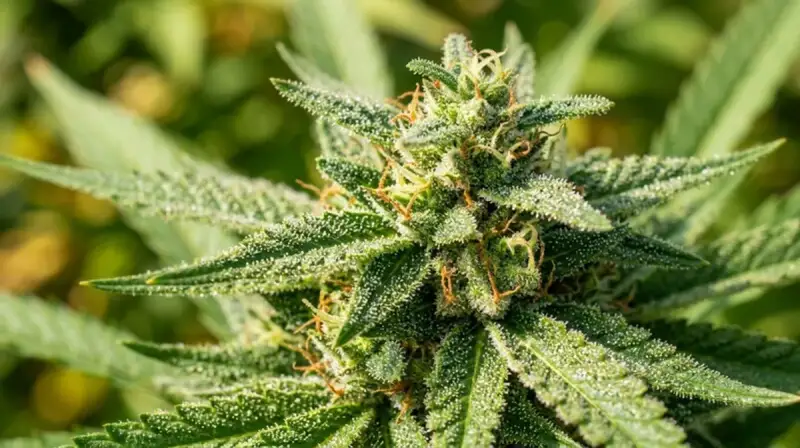
- BHO extraction using chilled butane or propane in a closed-loop system produces the raw extract from which shatter is refined.
- THCA crystalline alignment is what gives shatter its glass-like translucency: undisturbed purging allows molecules to align uniformly, creating a rigid lattice structure.
- 60–90% THC is the typical potency range for commercially produced shatter from licensed processors; some batches from premium starting material exceed 90%.
- Purging removes residual butane through heat (90–120°F) and vacuum pressure; regulated markets require residual solvent testing below 500 ppm before sale.
- Shatter vs. wax vs. budder: the same BHO extract becomes shatter (undisturbed), wax (agitated while warm), or budder (high-heat + agitation) based solely on post-processing technique.
- Handling considerations: shatter becomes brittle at cold temperatures and tacky at warm temperatures; the ideal handling range is room temperature (65–75°F).
- Shelf life 6–12 months when stored in an airtight container away from heat, light, and humidity; refrigeration significantly extends quality retention.
What Is Shatter? A Complete Introduction
Shatter is a butane hash oil (BHO) cannabis concentrate distinguished by its rigid, glass-like physical appearance. When held up to light, a high-quality slab of shatter is translucent—ranging from a pale golden yellow to a deep amber colour—and will literally shatter into fragments when snapped at room temperature, much like a piece of hard candy. This distinctive texture is a direct result of the chemistry of its production: specifically, the way THCA molecules arrange themselves when the extract is processed without agitation.
Shatter is one of the most widely recognised cannabis concentrates and was among the first concentrated forms of cannabis to gain mainstream acceptance in legal dispensaries when recreational markets opened in states like Colorado and Washington starting in 2012. Its combination of high potency (typically 60–90% total THC), relatively long shelf stability, and visually distinctive presentation made it an early favourite among concentrate consumers and a commercial staple for licensed extractors.
Today, shatter occupies a defined position in the concentrate taxonomy alongside wax, budder, crumble, live resin, rosin, and distillate. Understanding how it is made, what gives it its unique properties, how to handle and store it, and how it compares to other concentrate types allows consumers to make informed choices about whether shatter is the right product for their needs.
Why Shatter Has Its Characteristic Glass-Like Texture
The texture of a cannabis concentrate is determined by the molecular arrangement of its cannabinoids and terpenes during and after extraction. THCA—the non-psychoactive precursor to THC found in raw cannabis—has a natural tendency to form ordered, crystalline structures under the right conditions. When BHO extract is spread thinly on a flat surface and purged (i.e., has its solvent removed) at low temperatures without any agitation or disturbance, the THCA molecules have the opportunity to align in a uniform lattice. This ordered molecular arrangement is optically transparent and mechanically rigid: the result is shatter.
In contrast, when the same BHO extract is agitated, stirred, or whipped while still warm and solvent-laden, the molecules cannot align uniformly. Instead, they form a disordered, amorphous arrangement that scatters light rather than transmitting it—producing the opaque, waxy appearance of wax or crumble. Warmer purging temperatures combined with more vigorous agitation produce increasingly soft and creamy textures, eventually yielding budder. The potency and underlying chemistry of shatter, wax, and budder made from the same starting material are broadly equivalent; the difference is entirely in texture and handling characteristics.
How Shatter Is Made: The BHO Extraction and Purging Process
Shatter is produced through a multi-step process that begins with solvent-based extraction using butane or propane and ends with a controlled purging step designed to remove all residual solvent while preserving the undisturbed molecular structure that gives shatter its glass-like quality. The entire process requires specialised equipment, a licensed facility, and adherence to strict safety protocols. Home production of BHO concentrates is illegal in all US states due to the explosion and fire hazards associated with hydrocarbon solvents in uncontrolled environments.
Step 1 — Hydrocarbon Extraction
Dried and cured cannabis flower or trim is loaded into a closed-loop extraction system. Chilled butane (or a butane/propane blend) is passed through the plant material, dissolving the cannabinoids, terpenes, waxes, and lipids from the trichome heads and stalks. The extract solution is collected and the solvent is partially recovered through a distillation step within the closed-loop system. The resulting crude extract is a viscous, solvent-saturated liquid that must be further processed to remove the remaining solvent. Extraction temperature significantly affects the profile of the resulting concentrate: colder extraction temperatures selectively capture cannabinoids and terpenes while leaving behind more waxes and lipids, producing a cleaner, more refined oil before purging begins.
Step 2 — Winterisation (Optional)
Some processors perform an optional step called winterisation, in which the crude extract is dissolved in ethanol and frozen at −20°F to −40°F. At these temperatures, the waxes and fats that were co-extracted with the cannabinoids precipitate out of solution and can be filtered away. The ethanol is then evaporated, leaving a lighter, cleaner oil. Winterised shatter tends to have a lighter colour and cleaner flavour than non-winterised product, but the process also removes some terpenes alongside the waxes, resulting in slightly reduced flavour complexity.
Step 3 — Vacuum Purging
The extract is spread in a thin, even layer on parchment-lined slabs and placed into a vacuum oven. The oven applies both gentle heat (typically 90–120°F) and vacuum pressure (typically 25–29 inHg of vacuum), which lowers the boiling point of the residual butane and causes it to off-gas from the extract without damaging the concentrate. This purging step can take anywhere from 24 to 72 hours, depending on the extract volume, vacuum depth, and target residual solvent level. Crucially for shatter production, the extract is not disturbed in any way during this process. It sits undisturbed on its slab while the solvent evaporates, allowing the THCA molecules to align into their characteristic crystalline structure. The purge is complete when the extract passes residual solvent testing at or below the regulatory threshold.
Step 4 — Third-Party Laboratory Testing
Before sale, all shatter produced by licensed cannabis processors must pass testing at an accredited third-party laboratory. The required tests include cannabinoid potency, residual solvent concentration, pesticide residues, heavy metals, and microbial contamination. In most regulated US markets, the maximum allowed residual butane is 500 ppm or lower. Consumers can and should request the Certificate of Analysis (COA) for any shatter they purchase. The COA will show the exact THC and CBD percentages, terpene content if measured, and residual solvent levels for that specific batch. Our COA guide explains how to read and interpret laboratory test results.
Shatter Potency: THC Content and Cannabinoid Profile
Shatter is a high-potency cannabis product. Commercial shatter from licensed processors typically tests between 60% and 90% total cannabinoids by weight, with THC (post-decarboxylation THCA) as the dominant compound. Some batches from premium starting material or highly refined processing may exceed 90% THC. This potency range makes shatter significantly more concentrated than cannabis flower (15–30% THC) and comparable to other high-potency BHO products such as wax and budder.
One important distinction is that fresh shatter actually contains predominantly THCA rather than THC. THCA (tetrahydrocannabinolic acid) is the non-psychoactive acidic precursor to THC that is native to the raw cannabis plant. In flower, a small portion of THCA converts to THC during drying and curing, but most remains in its acid form until heated. When shatter is applied to a hot banger during dabbing, the heat instantly decarboxylates the THCA, converting it to psychoactive THC that is then inhaled. This is why potency is reported on COAs as “THCA + THC” or as “total THC”—the sum of these two forms represents the full psychoactive potential of the product when consumed by heating.
| Product | THC Range | THCA Content | Terpenes | Texture |
|---|---|---|---|---|
| Cannabis flower | 15–30% | Dominant form | 1–3% | Plant material |
| BHO Shatter | 60–90% | High (pre-decarb) | 0.5–2% | Rigid, glassy slab |
| BHO Wax / Crumble | 60–88% | High | 1–3% | Soft, opaque |
| BHO Budder | 65–90% | High | 2–4% | Creamy, smooth |
| Live resin | 65–95% | Moderate | 3–8% | Sauce, badder, sugar |
| Hash rosin | 65–85% | High | 3–7% | Badder, slab, sauce |
| Distillate | 85–99% | Low (decarbed) | <1% | Viscous oil |
Shatter vs. Wax vs. Budder: The Full Texture Spectrum
Shatter, wax, crumble, and budder are all BHO-derived concentrates; their different textures result entirely from how the post-extraction purging process is managed. Understanding these differences helps consumers choose the product format that best suits their consumption method, handling preference, and flavour priorities.
Shatter is produced by purging without agitation at low temperatures. The result is a rigid, translucent slab. Advantages: long shelf stability, easy to dose with a sharp dab tool, visually impressive. Disadvantages: brittle and difficult to work with at cold temperatures; can become overly sticky if warm; lower terpene content than some other formats because the low purging temperature that creates the glass texture also drives off some terpenes slowly over the long purge cycle.
Wax is produced by agitating or stirring the extract while it is still warm and solvent-laden during the purge. Agitation disrupts the THCA molecular alignment, producing an opaque, soft solid. Crumble is essentially a dryer wax produced at slightly higher temperatures during the purge. Both formats are easier to handle than shatter (no snap-and-scatter risk) but are stickier and require a flat-tipped dab tool rather than a needle.
Budder is produced by purging at higher temperatures with vigorous agitation (often whipping the extract with a dab tool during the process). The result is a very soft, creamy, peanut-butter-like consistency. Budder tends to have higher terpene content than shatter because the shorter, higher-temperature purge process is less taxing on aromatic compounds. It is popular among flavour-focused consumers but has a shorter shelf life than shatter because its higher moisture content and soft texture make it more susceptible to oxidation and terpene loss over time.
Handling and Storage of Shatter
Handling shatter requires a bit of technique due to its temperature-sensitive physical properties. At cold temperatures (below 60°F), shatter becomes very brittle and fragile—it can shatter unexpectedly when bent or dropped, sending small fragments flying. At warm temperatures above 80°F, shatter softens and becomes increasingly tacky and difficult to manage without it sticking to surfaces and tools. The ideal handling temperature is roughly room temperature, 65–75°F, at which shatter has enough rigidity to snap cleanly but is not so brittle that it crumbles unexpectedly.
For dosing, the most efficient technique is to use a sharp-tipped dab tool to break off a small portion of the slab. Applying brief warmth from fingertips to the dab tool (not the shatter itself) can help the concentrate stick to the tool for transfer to the banger. Many experienced consumers store shatter in the refrigerator and remove it 10–15 minutes before a session to allow it to reach a workable temperature.
Long-term storage should be in an airtight silicone or glass container, away from heat, light, and humidity. The primary degradation mechanisms for shatter are: terpene evaporation (reducing aroma and flavour), THCA-to-THC-to-CBN conversion via oxidation and light exposure (reducing potency and altering effects toward sedative), and “sugaring up”—a natural process in which shatter develops a grainy, sugar-like texture as THCA molecules continue to crystallize over time. Sugaring does not indicate contamination or unsafe product; it is simply a texture change that occurs naturally and is more common with concentrates that have higher residual terpene content. Refrigerated storage significantly slows all three degradation processes. Expected quality shelf life: 6–12 months refrigerated, 3–6 months at room temperature.
Consuming Shatter: How to Dab and What to Expect
Shatter is consumed primarily by dabbing—applying a small portion to a heated quartz banger or nail and inhaling the resulting vapour through a dab rig. A typical dab is a rice-grain-sized portion of shatter (approximately 25–50 mg). At 75% THC, this represents approximately 18–37 mg of THC per session—a dose that will produce intense effects in most consumers and overwhelm inexperienced users. Onset of effects from dabbing is near-immediate (seconds), making overconsumption easy to achieve accidentally. Always start with the smallest possible portion and wait at least 10 minutes before assessing whether to redose.
The recommended dabbing temperature for shatter is 350–450°F on the banger surface. Below 350°F, shatter may not vaporize completely and can pool in the banger without fully converting. Above 500°F, the concentrated THC vaporizes too rapidly and harshly, and thermal degradation begins to produce minor amounts of benzene and other irritants. A carb cap placed over the banger after applying the shatter helps retain heat in the bucket and vaporize any remaining concentrate efficiently at lower temperatures. Full dabbing technique guidance is in our dabbing guide.
For consumers who want to experience concentrates without specialised equipment, shatter can also be used as a flower topper: a small fragment placed on top of a packed bowl amplifies potency and flavour considerably. This is a more approachable entry point for those new to concentrates.
Safety and Legal Considerations for Shatter
Shatter, like all cannabis concentrates, is subject to the cannabis laws of the jurisdiction in which you are located. In legal US states, shatter is sold exclusively through licensed dispensaries to adults age 21 and older. Possession of shatter in states where cannabis remains fully illegal can carry significant criminal penalties, as concentrates are frequently treated more harshly than flower under sentencing guidelines due to their high potency. Always verify the legal status of cannabis and cannabis concentrates in your state before purchasing or possessing any concentrate product. Our cannabis laws guide covers possession limits and concentrate regulations in all recreational states.
The production of BHO shatter at home is illegal in all US states regardless of the legal status of cannabis flower, due to the explosion and fire hazards posed by hydrocarbon solvents in uncontrolled environments. Several deaths and serious injuries have resulted from amateur BHO production attempts in residential settings. All legally sold shatter has been produced in a licensed, explosion-proof commercial extraction facility and has passed residual solvent testing at an accredited third-party laboratory before reaching the dispensary shelf. Purchasing exclusively from licensed dispensaries and reviewing the Certificate of Analysis is the most important safety measure any shatter consumer can take.
For consumers who are new to cannabis concentrates, beginning with lower-potency products and working up gradually is strongly recommended. The near-instantaneous onset of dabbed concentrates makes overconsumption easy before effects are fully felt. Starting with a rice-grain-sized dab and waiting at least 10 minutes before assessing is the standard recommendation for anyone new to high-potency BHO products. See our cannabis dosing guide for detailed guidance.