




- Prevalence: Anxiety disorders affect ~40 million US adults — the most common mental health condition in the country, per the ADAA.
- Primary mechanism: CBD activates 5-HT1A serotonin receptors and inhibits FAAH, raising anandamide levels and reducing amygdala hyperactivity.
- THC biphasic risk: Low-dose THC (2.5–5 mg) is anxiolytic; high-dose THC (>15 mg) can trigger paranoia and amplified fear — especially in naive users.
- Optimal starting ratio: 2:1 CBD:THC for most adults; 20:1 CBD:THC for THC-sensitive individuals or first-time medical patients.
- Clinical evidence: A 2019 Permanente Journal study: 79% of anxiety patients reported decreased scores within one month of CBD use.
- Best strains: Harlequin, Cannatonic, ACDC — all high-CBD, low-THC profiles with calming terpene signatures.
Anxiety Disorders: Pathophysiology
Anxiety is not a single condition but a family of related disorders sharing a common core of excessive, dysregulated fear responses. The major subtypes include Generalized Anxiety Disorder (GAD) — characterized by chronic, uncontrollable worry about multiple life domains — Social Anxiety Disorder (SAD), Panic Disorder with recurrent unexpected panic attacks, Specific Phobias, and Agoraphobia. Together these affect approximately 18.1% of US adults per year, with lifetime prevalence around 28.8% according to the National Comorbidity Survey Replication.
At the neurobiological level, anxiety disorders involve dysregulation of two core circuits: the fear circuit (amygdala → bed nucleus of stria terminalis → hypothalamus → brainstem) and the prefrontal regulatory circuit (medial prefrontal cortex → amygdala), which normally exerts top-down inhibitory control over fear responses. In anxiety disorders, this prefrontal inhibition is weakened, amygdala reactivity is heightened, and the threshold for triggering the fight-or-flight cascade is lowered. Neurochemically, dysregulation involves serotonin (5-HT), gamma-aminobutyric acid (GABA), norepinephrine, and — critically for understanding cannabis — the endocannabinoid system.
Conventional first-line treatments include SSRIs (sertraline, escitalopram), SNRIs (venlafaxine), and cognitive-behavioral therapy (CBT). Despite robust evidence bases for these approaches, 30–40% of patients achieve insufficient remission from first-line pharmacotherapy, and SSRIs require 4–8 weeks to reach therapeutic effect. Side effects — sexual dysfunction, emotional blunting, weight gain — drive significant discontinuation rates. Benzodiazepines provide rapid relief but carry high addiction liability, cognitive impairment, and difficult withdrawal, making them unsuitable for long-term management. These treatment gaps have created substantial demand for alternative cannabis-based approaches.
How Cannabis Works for Anxiety: Endocannabinoid Mechanisms
The endocannabinoid system (ECS) is a distributed lipid-signaling network that functions fundamentally as a stress-recovery and homeostasis system. Its two primary receptors — CB1 (predominantly central nervous system) and CB2 (predominantly immune/peripheral) — are expressed densely in regions critical to anxiety: the amygdala, prefrontal cortex, hippocampus, and hypothalamus. The ECS’s endogenous ligands, anandamide (AEA) and 2-arachidonoylglycerol (2-AG), are synthesized on demand and act as retrograde messengers that modulate synaptic transmission — essentially providing a brake on overactivated neural circuits.
Research on rodent models and human neuroimaging studies has established that endocannabinoid deficiency in the amygdala and prefrontal cortex is associated with heightened anxiety states. Stress depletes anandamide levels via upregulation of FAAH (fatty acid amide hydrolase), the primary enzyme responsible for anandamide degradation. This creates a vicious cycle: anxiety → FAAH upregulation → anandamide depletion → increased amygdala reactivity → more anxiety. Cannabis-derived cannabinoids intervene at multiple points in this cycle.
CBD’s Anxiolytic Mechanisms
Cannabidiol (CBD) acts as an indirect ECS modulator rather than a direct CB1/CB2 agonist. Its key mechanisms for anxiety relief include:
- 5-HT1A agonism: CBD is a partial agonist at 5-HT1A serotonin receptors — the same receptor targeted by buspirone (an FDA-approved anxiolytic). Activation of 5-HT1A in the raphe nuclei and hippocampus produces anxiolytic and antidepressant effects. This is likely CBD’s primary anxiolytic mechanism in humans.
- FAAH inhibition: CBD inhibits the FAAH enzyme, reducing anandamide breakdown and elevating endogenous anandamide tone. Higher anandamide levels dampen amygdala hyperactivity and facilitate fear extinction — the neural basis for therapeutic exposure therapy.
- TRPV1 desensitization: CBD desensitizes TRPV1 (transient receptor potential vanilloid 1) channels, which when overactivated contribute to anxiety and stress responses.
- GPR55 antagonism: CBD antagonizes GPR55, a putative "third cannabinoid receptor," whose activity has been linked to increased neuronal excitability and anxiety-related behavior.
- Amygdala BOLD signal reduction: A landmark 2011 study by Crippa et al. (Neuropsychopharmacology) demonstrated that a single dose of CBD (400 mg) significantly reduced BOLD activation in the amygdala in response to threatening stimuli in healthy volunteers — a direct neuroimaging demonstration of CBD’s anxiolytic mechanism.
THC’s Biphasic Effect
THC binds as a partial agonist at CB1 receptors. At low doses (2.5–5 mg), this modulates amygdala reactivity downward and produces the familiar cannabis-associated relaxation and mood elevation. At high doses (>10–15 mg, especially in infrequent users), excessive CB1 activation in the prefrontal cortex can impair executive function and emotional regulation, while cardiovascular effects (tachycardia, increased blood pressure) can trigger panic responses in predisposed individuals. This biphasic dose-response is the most critical pharmacological concept anxiety patients must understand.
Clinical Research Summary
The clinical evidence base for cannabis in anxiety is growing but remains incomplete by pharmaceutical trial standards. The majority of high-quality evidence involves CBD isolate rather than whole-plant cannabis.
Key Published Research Areas
- Shannon et al. (2019), The Permanente Journal: Retrospective case series of 72 adults using CBD for anxiety or sleep. 79.2% reported decreased anxiety scores within the first month. Improvement was sustained over three months. Noted limitation: no control group; retrospective design.
- Bergamaschi et al. (2011), Neuropsychopharmacology: Double-blind RCT — CBD (600 mg) vs. placebo in patients with Social Anxiety Disorder performing a simulated public speaking test. CBD group showed significantly reduced anxiety, cognitive impairment, and discomfort scores. Considered a landmark study for CBD in SAD.
- Crippa et al. (2011), Neuropsychopharmacology: Neuroimaging study showing CBD reduced amygdala activation and increased prefrontal-amygdala functional connectivity — the neural mechanism underlying fear regulation.
- de Aquino et al. (2020), Cannabis and Cannabinoid Research: Showed that CBD augmented the fear extinction response in humans, directly supporting its potential use in exposure-based anxiety therapies.
- NIDA-funded research: Multiple ongoing NIDA-funded studies are examining CBD for anxiety, PTSD, and substance use comorbidities; results expected through 2027–2028.
- New Mexico Medical Cannabis Program data: Observational data from over 2,000 patients showed significant anxiety symptom reductions reported by medical cannabis users, with CBD-dominant formulations showing superior tolerability.
Overall assessment: The evidence is moderate-quality with strong signal. Multiple RCTs support CBD specifically for acute anxiety situations. Long-term RCT data on chronic anxiety management is still lacking. Whole-plant cannabis with balanced ratios has predominantly observational support.
Cannabinoid Protocol Table for Anxiety
| Anxiety Subtype | CBD % | THC % | Ratio | Notes |
|---|---|---|---|---|
| GAD (first-time cannabis user) | 15–20% | 0–1% | 20:1 CBD:THC | CBD-only or near-zero THC; minimal psychoactivity risk; ideal starting point |
| GAD (experienced cannabis user) | 12–18% | 5–8% | 2:1 CBD:THC | Balanced; THC adds entourage synergy; watch for dose creep |
| Social Anxiety Disorder | 15–20% | 3–6% | 3:1–4:1 CBD:THC | Low THC critical — high THC can worsen social paranoia; CBD dominant preferred |
| Panic Disorder | 18–25% | 0–3% | 8:1–20:1 CBD:THC | Extremely cautious with THC; tachycardia from THC can trigger panic cycles |
| Anxiety with insomnia comorbidity | 10–15% | 8–12% | 1:1 CBD:THC | Higher THC for sleep onset; take 60–90 min before bed; indica terpene profile preferred |
Terpene Profile for Anxiety
Terpenes in cannabis modulate cannabinoid effects and possess independent pharmacological activities relevant to anxiety. Selecting strains rich in these terpenes enhances the therapeutic profile beyond cannabinoid ratios alone.
| Terpene | Aroma | Mechanism | Target Strains |
|---|---|---|---|
| Linalool | Floral, lavender | GABA-A receptor modulation; reduces CNS excitability; demonstrated anxiolytic effect in multiple preclinical models | Granddaddy Purple, Lavender, Do-Si-Dos |
| Myrcene | Earthy, musky | Sedative via CB1 synergy; muscle relaxant; reduces physical anxiety manifestations (tension, restlessness) | OG Kush, Blue Dream, Harlequin |
| Beta-Caryophyllene | Spicy, peppery | CB2 agonist; anti-inflammatory; reduces neuroinflammation associated with anxiety disorders; no psychoactivity | Girl Scout Cookies, Bubba Kush, Cannatonic |
| Limonene | Citrus, bright | 5-HT1A and dopamine receptor modulation; clinical data showing reduced anxiety in OCD patients; elevates mood | Super Lemon Haze, Jack Herer, Lemon OG |
| Terpinolene | Fresh, piney, floral | Sedative properties in animal models; may synergize with CBD for calm focus without drowsiness | Jack Herer, Ghost Train Haze, Chernobyl |
Recommended Strain Types for Anxiety
| Strain | Type | THC % | CBD % | Primary Benefit |
|---|---|---|---|---|
| Harlequin | Sativa-dominant Hybrid | 7–10% | 10–15% | Alert calm; functional daytime anxiety management; 2:1 CBD:THC natural ratio |
| Cannatonic | Hybrid | 6–9% | 12–17% | Near 1:1 to 2:1; widely used in clinical CBD research; calming without intoxication |
| ACDC | CBD-dominant Hybrid | 1–6% | 14–20% | Up to 20:1 CBD:THC; ideal for THC-sensitive patients; virtually non-intoxicating |
| Granddaddy Purple | Indica | 17–23% | <1% | Deep body relaxation for nighttime anxiety; linalool and myrcene dominant; use low doses |
| Blue Dream | Sativa-dominant Hybrid | 17–21% | 1–2% | Gentle euphoria; myrcene/caryophyllene softens THC; social anxiety situations (low dose only) |
| Ringo’s Gift | CBD-dominant Hybrid | 1–6% | 13–20% | High CBD; earthy pine profile; anxiety without sedation during daytime hours |
Dosing Guide for Anxiety
Dosing precision is more important for anxiety than almost any other cannabis medical application, due to THC’s biphasic risk. The following protocol reflects current clinical consensus from cannabis medicine specialists:
Starting Protocol (Week 1–2)
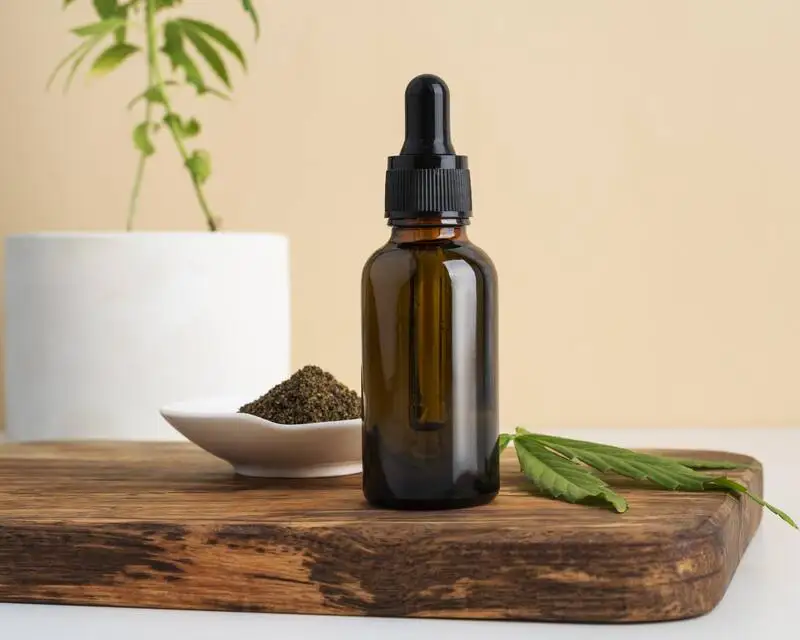
- CBD-only or CBD-dominant (20:1): 10–15 mg CBD twice daily via sublingual tincture. No measurable psychoactivity. Assess response at 7 days before adjusting.
- Balanced products (2:1 CBD:THC): Start with 2.5 mg THC / 5 mg CBD. Take once in the evening to assess tolerance. Do NOT start with daytime dosing until nighttime response is established.
Titration (Week 3+)
- Increase CBD by 5 mg every 5–7 days until target anxiety relief is achieved.
- If using balanced products: increase THC by 1.25–2.5 mg increments no more than once per week.
- Maximum recommended daily THC for anxiety: 10 mg in most patients (exceptions for experienced users with clear tolerability established).
Acute Anxiety / Panic Protocol
- Keep a vaporizer with a CBD-dominant strain (ACDC, Harlequin) accessible for acute episodes.
- 1–2 puffs; wait 5–10 minutes before re-dosing.
- Avoid high-THC flower for acute panic — the cardiovascular stimulation risk outweighs the benefit.
Low-Dose Anxiolytic Threshold
Research and clinical experience consistently identify a low-dose anxiolytic window for THC at approximately 7.5 mg. A notable 2017 study by Childs et al. (Psychopharmacology) gave participants 7.5 mg THC, 12.5 mg THC, or placebo before a Trier Social Stress Test. The 7.5 mg group showed significantly reduced stress reactivity; the 12.5 mg group actually showed increased negative mood and subjective distress — a direct clinical demonstration of the biphasic threshold.
Drug Interactions & Contraindications
Pharmacokinetic Interactions
CBD is metabolized primarily by CYP2C19 and CYP3A4 liver enzymes. It also inhibits these enzymes, potentially increasing plasma levels of:
- SSRIs/SNRIs: Sertraline, fluoxetine, escitalopram — CBD may increase plasma concentrations; monitor for serotonin syndrome symptoms (agitation, tachycardia, tremor, diaphoresis).
- Benzodiazepines: Lorazepam, alprazolam, clonazepam — CBD inhibits CYP3A4-mediated metabolism; potential for increased sedation and respiratory depression. Do NOT combine without medical supervision.
- Buspirone: Both buspirone and CBD act on 5-HT1A; additive effects possible; may require dose reduction of buspirone.
- Beta-blockers: Commonly prescribed for performance anxiety; cannabis may increase heart rate (especially via THC), counteracting beta-blocker effects.
Contraindications
- Personal or family history of psychosis or schizophrenia: High-THC cannabis significantly increases psychosis risk; even CBD-dominant products require caution.
- Panic disorder (severe): THC-containing products require extreme caution; favor CBD-only formulations.
- Pregnancy and lactation: Contraindicated; cannabis crosses the placental barrier and is present in breast milk.
- Adolescents and young adults (<25 years): Developing brain is particularly susceptible to long-term ECS dysregulation from regular cannabis use.
Tolerance Development & Management
Regular cannabis use leads to CB1 receptor downregulation and desensitization — physiological tolerance that reduces anxiolytic efficacy over time. Tolerance develops faster with THC than with CBD. Clinically, patients often notice that the same dose produces diminishing effects after 4–8 weeks of daily use. Management strategies:
- Tolerance breaks: 48–72 hours of abstinence substantially reduces CB1 receptor sensitivity back toward baseline; 2-week breaks restore near-full sensitivity.
- Micro-dosing: Using the minimum effective dose (often 2.5–5 mg THC equivalent) and avoiding escalation is the single most effective prevention strategy.
- CBD-rotation: Shifting toward higher CBD ratios during high-stress periods allows maintained therapeutic benefit while reducing THC tolerance accumulation.
Medical Disclaimer
This page is for educational purposes only and does not constitute medical advice. Cannabis remains a Schedule I controlled substance at the federal level in the United States. Laws vary significantly by jurisdiction. Always consult a licensed healthcare provider before beginning any cannabis-based treatment, especially if you are taking prescription medications or have a diagnosed psychiatric condition. Individual responses to cannabis vary widely.