







Key Findings
- Blueberry × OG Kush cross: 80% indica dominance with OG cerebral complexity
- THC 20–24%; terpenes: myrcene, caryophyllene, pinene
- Flavor: sweet blueberry + earthy OG Kush gas — the best of both parent strains
- Effects: euphoric blissful relaxation progressing to full body heaviness
- Medical: insomnia, chronic pain, anxiety, depression — evening use primary
- Moderate cultivation difficulty — manageable for beginners despite elite genetics
- Indoor yield 400–450 g/m², 8–9 week flower, compact indica structure
Genetics & Lineage
Blueberry Kush is the product of two cannabis hall-of-fame genetics: DJ Short’s Blueberry and OG Kush. DJ Short developed Blueberry in the 1970s by crossing Highland Thai, Purple Thai, and Afghani landraces, creating one of the most fruit-forward cannabis varieties in history — a multiple Cannabis Cup winner that became the foundation for dozens of hybrid strains. OG Kush, originating in Florida in the early 1990s (and itself of uncertain but likely Hindu Kush/Chemdawg descent), adds the earthy, gassy “OG” complexity and potency that makes this cross far more dynamic than either parent alone.
The 80/20 indica-sativa ratio reflects the genetic weighting: Blueberry carries predominantly indica heritage, and OG Kush — while often classified as a hybrid — contributes additional indica-leaning structure. The result is a compact, manageable plant with the sweet-berry aroma of Blueberry and the resin production and potency of OG Kush.
Multiple breeders produce Blueberry Kush seeds; phenotypes can vary slightly between producers. The defining characteristics of any legitimate Blueberry Kush are the sweet blueberry-dominant terpene profile, the 80/20 indica structure, and THC consistently above 20%.
Terpene Profile
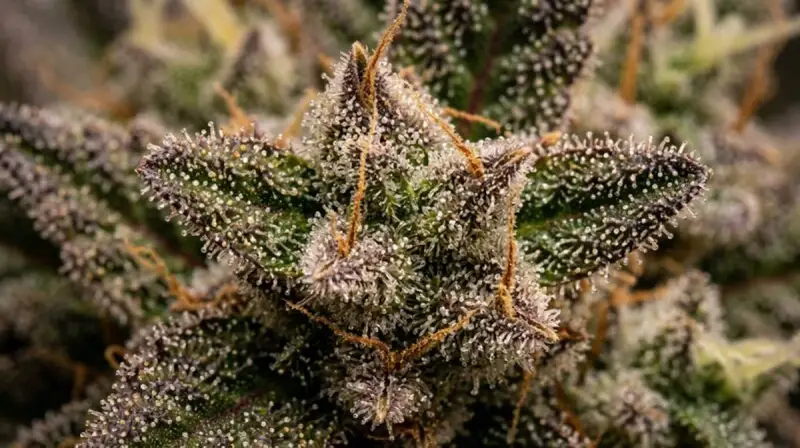
The terpene profile of Blueberry Kush explains both its distinctive flavor and the specific character of its indica effects. The pinene influence distinguishes it slightly from pure-indica strains and contributes the mild mental clarity that prevents the effects from becoming overwhelmingly sedating at moderate doses.
| Terpene | Aroma | Role in Blueberry Kush | Concentration |
|---|---|---|---|
| Myrcene | Earthy, musky, herbal | Primary sedation driver; potentiates THC; deepens body relaxation | High (dominant) |
| Caryophyllene | Spicy, peppery, woody | CB2 receptor binding; anti-inflammatory; OG Kush spice character | High (co-dominant) |
| Pinene | Pine, fresh, herbal | May support memory retention; provides fresh counterpoint to sweetness | Moderate |
| Limonene | Citrus, sweet | Mood elevation; brightens the berry flavor profile | Low–moderate |
Effects: Onset, Peak & Tail
Blueberry Kush’s 80/20 indica-sativa ratio gives it a distinct two-phase effect pattern: an initial OG Kush-inspired euphoric uplift before transitioning into deep Blueberry-driven body relaxation.
Onset (0–20 Minutes)
The initial phase carries more cerebral influence than a pure indica. OG Kush genetics contribute a mild euphoric head change — a pleasant, blissful mental shift that experienced users associate with the signature OG “happy” opening. This phase makes Blueberry Kush feel warmer and more sociable than a heavy Afghani-dominant indica.
Peak (20–120 Minutes)
The peak is defined by progressively deepening body heaviness. What begins as comfortable physical relaxation builds toward full couch-lock at higher doses. The caryophyllene-CB2 combination creates warmth and tension relief in muscles and joints. Mood remains elevated from the OG Kush component — this is the “blissful” quality that distinguishes Blueberry Kush from purely sedating indicas. Pain relief is most pronounced during this phase.
Tail (2–4 Hours)
The tail phase brings strong sleepiness that most users welcome rather than fight. The come-down from Blueberry Kush is notably smooth — a consequence of its well-balanced terpene profile preventing any of the jittery or anxious residue sometimes associated with high-THC OG Kush products. Users typically sleep soundly through the tail phase.
Blueberry Kush: effects, flavor, and growing tips
Medical Applications
Blueberry Kush is among the most widely cited indica strains for medical use in dispensary data. Its combination of OG Kush euphoria and Blueberry-driven body relaxation gives it a broader therapeutic range than pure sedating indicas.
| Condition | Why Blueberry Kush | Best Time |
|---|---|---|
| Insomnia | Deep sedating tail; myrcene potentiates sleep onset rapidly | 1–2 hours before sleep |
| Chronic Pain | Caryophyllene CB2 + body-stone reduces pain signaling | Evening use for sustained relief |
| Anxiety | Myrcene calming + OG euphoria reduces anxious thoughts | Moderate dose; high THC may worsen anxiety |
| Depression | OG Kush euphoric component; temporary mood lift | Evening; not recommended as daytime antidepressant |
Blueberry Kush vs. Parent Strains
Understanding Blueberry Kush relative to its two parents explains why the cross produces such a distinctive experience — it genuinely inherits the best qualities of both rather than simply averaging between them.
| Strain | THC | Dominant Terpene | Primary Flavor | Effect Character |
|---|---|---|---|---|
| Blueberry Kush | 20–24% | Myrcene | Sweet blueberry + OG gas | Euphoric relaxation + body heaviness |
| Blueberry (DJ Short) | 15–20% | Myrcene | Classic blueberry, sweet | Mellow relaxation, less potent |
| OG Kush | 20–26% | Limonene | Earthy, pine, fuel | Cerebral euphoria + body stone |
| Blackberry Kush | 18–22% | Myrcene | Blackberry / hash | Heavier sedation, less euphoric |
Growing Blueberry Kush
Blueberry Kush grows as a medium-compact indica plant — taller than a pure Afghani landrace but shorter and more manageable than a sativa-dominant hybrid. The OG Kush genetics contribute vigorous growth and resilience; the Blueberry side adds terpene richness that rewards growers who dial in their finishing conditions carefully.
| Factor | Indoor | Outdoor |
|---|---|---|
| Flowering Time | 8–9 weeks | Late September–early October |
| Yield | 400–450 g/m² | 450–600 g/plant |
| Plant Height | 70–100 cm | 100–160 cm |
| Difficulty | Moderate (beginner-friendly) | Beginner–Moderate |
| Ideal Temp | 20–26°C (68–78°F) | Mediterranean climate preferred |
| Humidity (flower) | 40–50% RH | Low-humidity climate essential |
Despite the prestige of its Blueberry × OG Kush parentage, Blueberry Kush is genuinely accessible to newer growers. Its indica-dominant structure keeps height manageable, and OG Kush genetics contribute natural resistance to the kind of humidity-related mold problems that trouble beginner cultivators. The main challenge is preserving terpene quality through proper drying and curing — rushing the cure on Blueberry Kush noticeably diminishes the characteristic berry aroma that makes this strain worth growing.
For maximum terpene expression, maintain a 10–15 day cure in glass jars at 62% relative humidity. Burp jars daily for the first week to release moisture without over-drying. This approach consistently produces the sweet-berry profile that separates quality Blueberry Kush from mediocre phenotypes.
Drug Testing Detection
THC from Blueberry Kush metabolises into THC-COOH, the compound detected in standard urine, blood, saliva, and hair drug tests. See the complete drug testing guide for testing methodology and cutoff levels.
| Test Type | Occasional User | Regular User | Daily User |
|---|---|---|---|
| Urine | 3–7 days | 10–21 days | Up to 30+ days |
| Blood | 1–3 days | 3–7 days | 7–14 days |
| Saliva | 24–72 hours | 3–5 days | Up to 7 days |
| Hair Follicle | Up to 90 days | Up to 90 days | Up to 90 days |
Jordan Price
Cannabis Researcher — ZenWeedGuide
Jordan covers strain genetics, terpene science, and cannabis cultivation. Research reviewed against current peer-reviewed literature and dispensary data.