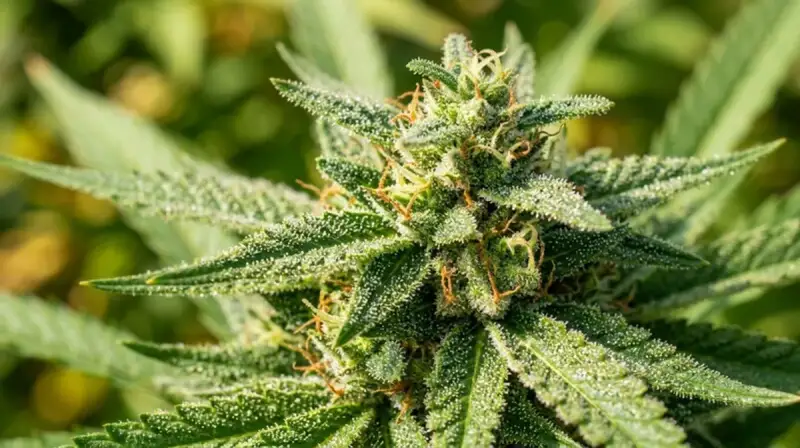
7 Key Findings — Chemdawg
- Origin traced to a mystery bag of seeds purchased at a Grateful Dead concert in 1991, from Colorado growers “P-Bud” and “Pbud”—genetics possibly Thai × Nepalese landrace.
- Parent of OG Kush (Chemdawg × Hindu Kush/Lemon Thai) and Sour Diesel (Chemdawg 91 × Super Skunk)—two of the most influential strains in cannabis history.
- THC content consistently 18–26%; the “#91” phenotype reaches the upper end and is considered the original cut.
- Caryophyllene drives the characteristic pepper-diesel edge; Myrcene adds body sedation; Limonene lifts mood and counteracts anxiety at moderate doses.
- Biphasic dose response: low-to-moderate doses produce euphoric introspection; high doses can trigger anxiety and paranoia in sensitive users.
- Aroma profile—diesel, chemical, pine earth—directly predicts its terpene lineage inherited by OG Kush and Sour Diesel offspring.
- Moderate cultivation difficulty; benefits from SCROG training due to vigorous, wide branching; resin production is exceptional, making it a favourite for concentrate production.
Origin Mythology & Genetics
The Chemdawg story is one of cannabis’s most debated origin myths. In 1991, Joe “Chemdog” Dobbins purchased a bag of high-grade cannabis at a Grateful Dead concert at Deer Creek, Indiana. Inside were thirteen seeds. From those seeds came Chemdawg #91, #D (a.k.a. Chem D), CDLC, and other phenotypes that would reshape modern cannabis breeding.
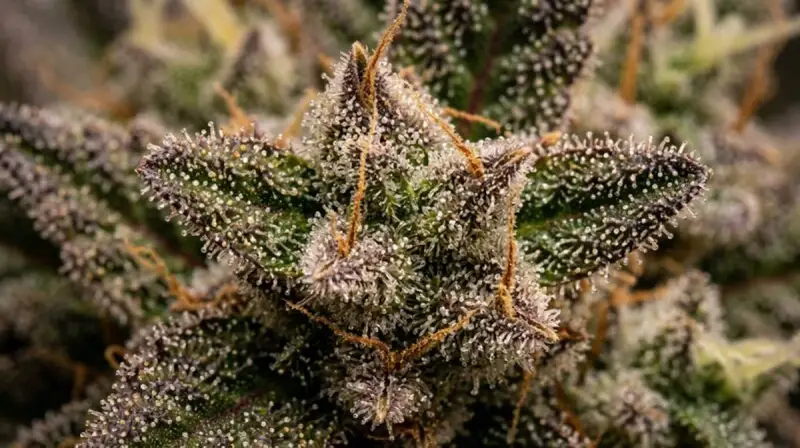
The Colorado growers who sold the bag—referred to as P-Bud—reportedly sourced the genetics from a high-altitude Thai × Nepalese cross, though this remains unverified. What is certain is that the resulting plant expressed a uniquely complex terpene profile: aggressive diesel-chemical pungency layered over deep earth and pine, with potency that was unusual for early-1990s American cannabis.
Breeders working with Chemdawg in the 1990s used it to create OG Kush (Chemdawg × Lemon Thai × Hindu Kush) and Sour Diesel (Chemdawg 91 × Super Skunk × DNL). Both strains became defining genetics for West Coast and East Coast cannabis culture respectively, cementing Chemdawg’s place as a foundational hybrid.
Origin Timeline
| Year |
Event |
Significance |
| 1991 | Bag of seeds acquired at Grateful Dead, Deer Creek | Original 13 seeds, source of all Chemdawg phenotypes |
| 1991–1993 | Chemdawg #91, #D, CDLC phenotypes selected | Pheno-hunting establishes the Chem family |
| Mid-1990s | OG Kush bred in California using Chemdawg genetics | OG Kush becomes dominant West Coast strain |
| Mid-1990s | Sour Diesel bred on East Coast using Chemdawg 91 | Sour D dominates New York and Northeast markets |
| 2000s–present | Chemdawg used in hundreds of commercial crosses | Diesel lineage expands to GSC, Stardawg, GG4 and beyond |
Chemdawg Phenotype Comparison
Multiple phenotypes were selected from the original 1991 seeds, each expressing slightly different cannabinoid and terpene ratios. The #91 cut is generally considered the truest expression of the original.
| Phenotype |
THC % |
Dominant Terpene |
Character |
Notes |
| Chemdawg #91 | 22–26% | Caryophyllene | Most diesel, most cerebral | Original cut, parent of Sour Diesel |
| Chem D (Chem Dawg D) | 20–24% | Myrcene | More body, earthier | Parent of Stardawg with Tres Dawg |
| CDLC | 18–22% | Limonene | Citrus-diesel, uplifting | Smoother; less anxiety-inducing |
| Chemdawg S1 (selfed) | 18–23% | Caryophyllene/Myrcene | More uniform expression | Seed-stable; slightly less potent than #91 |
Cannabinoid & Terpene Profile
| Compound |
Typical Range |
Effect Contribution |
Aroma Note |
| THC (delta-9) | 18–26% | Euphoria, cerebral intensity, body effect | — |
| CBD | <0.5% | Minimal modulating effect | — |
| Caryophyllene | High (>0.8%) | CB2 agonist; anti-inflammatory, stress relief | Diesel, pepper, wood spice |
| Myrcene | Moderate (>0.4%) | Sedation, muscle relaxation, THC amplification | Earthy, herbal, musk |
| Limonene | Low–moderate (>0.2%) | Mood elevation, anxiety reduction | Citrus, lemon zest |
Chemdawg Family Tree
No strain has produced more commercially dominant offspring than Chemdawg. The table below traces two primary lineage paths and key second-generation offspring.
| Strain |
Genetics |
Generation |
Key Character |
| Chemdawg | Thai × Nepalese (unconfirmed) | Origin | Diesel-chemical, balanced hybrid |
| OG Kush | Chemdawg × Lemon Thai × Hindu Kush | F1 | Fuel-earth-lemon, West Coast standard |
| Sour Diesel | Chemdawg 91 × Super Skunk × DNL | F1 | Diesel-citrus, energising sativa-dominant |
| Stardawg | Chem D × Tres Dawg | F1 | Starry trichomes, fuel-pine |
| GSC (Girl Scout Cookies) | OG Kush × Durban Poison | F2 | Sweet-earth, cookies, euphoric |
| Gorilla Glue #4 | Chem’s Sister × Sour Dubb × Chocolate Diesel | F2 | Heavy resin, earthy-diesel, potent |
| Alien Cookies | GSC × Alien Dawg | F3 | Cookie sweetness + Chem fuel lineage |
Effects & Medical Use
Chemdawg delivers a two-stage effect profile that reflects its balanced hybrid genetics. The onset is fast and predominantly cerebral—euphoric, introspective, sometimes sharply energetic. Within 20–30 minutes the body effect layers in, producing physical relaxation without full sedation at moderate doses.
The introspective quality makes Chemdawg useful for creative work and conversation, but this same cerebral intensity can tip into anxiety or paranoia if too much is consumed or if the user has low THC tolerance. Start with small doses.
Medical applications: Chemdawg is commonly chosen for stress and PTSD due to its fast-acting mood elevation and ability to interrupt rumination. The body component addresses chronic pain, particularly tension and inflammation. Depression responds to the euphoric lift. Some users report effective appetite stimulation and relief from treatment-related nausea.
Dose Warning: Chemdawg’s high caryophyllene content combined with THC above 22% can trigger anxiety responses at doses above personal tolerance threshold. If anxiety has been experienced with high-THC strains, start with ¼ of a typical serving.
Grow Specifications
| Parameter |
Indoor |
Outdoor |
Notes |
| Flower Time | 9–10 weeks | Late October | Count from flip to 12/12 |
| Yield (indoor) | 400–500g/m² | 600–900g/plant | SCROG maximises indoor yield |
| Height | 90–140cm | 150–200cm | Wide lateral branching; topping recommended |
| Difficulty | Moderate | Moderate | Requires VPD management; aroma is intense |
| Mold Resistance | Moderate | Low–Moderate | Dense buds trap moisture; maintain airflow |
| Resin Production | Exceptional | Exceptional | Premium concentrate/hash source |
| Best Medium | Soil or coco | Amended soil | Responds well to organic feeding programmes |
Related Strains & Further Reading
Frequently Asked Questions
What is Chemdawg and why is it significant?
Chemdawg (also spelled Chemdog) is a balanced hybrid cannabis strain acquired from a bag of mystery seeds at a Grateful Dead concert in 1991. Its significance lies in its offspring: OG Kush and Sour Diesel both derive from Chemdawg genetics, making it the ancestor of hundreds of modern commercial strains. It is recognised by its aggressive diesel-chemical aroma and potent, biphasic cerebral-body effects.
What are the effects of Chemdawg?
Chemdawg produces a fast-onset cerebral euphoria that can be introspective and creative. This is followed by a strong body relaxation. At moderate doses it is uplifting and social; at high doses it may cause anxiety or paranoia in sensitive users. The balanced hybrid profile means neither indica sedation nor sativa raciness dominates—both are present simultaneously.
What strains did Chemdawg produce?
Chemdawg is the direct parent of OG Kush (with Lemon Thai and Hindu Kush) and Sour Diesel (with Super Skunk). Chem D, a phenotype of Chemdawg, was used to create Stardawg (with Tres Dawg). OG Kush then contributed to GSC (Girl Scout Cookies), which spawned Gelato, Thin Mint, Sherbert, and hundreds of other modern strains. Gorilla Glue #4 also contains Chem lineage via Chem’s Sister.
How hard is Chemdawg to grow?
Chemdawg is a moderate-difficulty cultivar. It grows vigorously with wide lateral branching that benefits from SCROG or heavy topping. Dense bud structure requires careful humidity management (keep relative humidity below 50% during late flower) to prevent mould. Resin production is exceptional, making it suitable for hash and concentrate production. Flowering time is 9–10 weeks indoors.