







Golden Goat: Colorado’s Happy Accident
Some of the best things in cannabis happen by accident. Golden Goat was born from an unplanned pollination in Kansas City when a male Island Sweet Skunk crossed with a Hawaiian × Romulan female — a combination no breeder deliberately designed but which produced something genuinely exceptional. The result is a sativa-dominant hybrid with a tropical, mango-citrus-sour aroma unlike anything in the Island Sweet Skunk or Hawaiian parent lineages individually, combined with uplifting, energetic, and creative effects that earned it a devoted following first in Colorado and then nationally as legal markets opened. The visual signature — golden, pink, and red bud colouration as trichomes mature — gave it a name that perfectly captures what you see when you look at a fully ripe Golden Goat cola. It is one of the cannabis world’s most successful happy accidents.
- Genetics: Island Sweet Skunk (male) × Hawaiian × Romulan — accidental cross, Kansas City
- THC Range: 16–23%; CBD trace (<1%)
- Top Terpenes: Terpinolene, Myrcene, Caryophyllene
- Aroma/Flavour: Sweet mango, citrus, sour tropical fruit — one of most distinctive sativa aromas
- Effects: Uplifted, energetic, creative, social; warm body comfort
- Medical Uses: Depression, stress, fatigue, anxiety (low doses), appetite
- Growing: 11-week flower; gold/red colouration at maturity; moderate-difficult
- Distinction: Popular Colorado strain; distinctive tropical aroma; gold bud colouration
| Attribute | Detail |
|---|---|
| Type | Sativa-Dominant (65% sativa / 35% indica) |
| Origin | Accidental cross, Kansas City; popularised in Colorado |
| Genetics | Island Sweet Skunk × (Hawaiian × Romulan) |
| THC | 16–23% |
| CBD | <1% |
| Primary Terpenes | Terpinolene, Myrcene, Caryophyllene |
| Flavour | Sweet mango, citrus, sour tropical fruit |
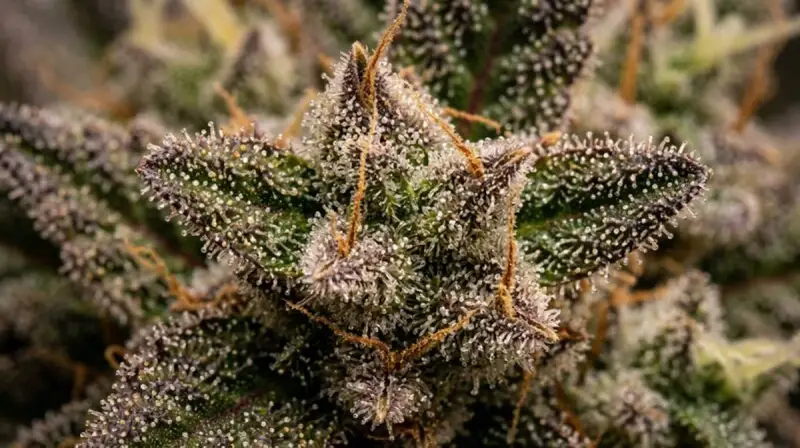
| Bud Appearance | Light green turning gold/pink/red at maturity; heavy orange pistils; moderate trichomes |
| Effects | Uplift, energy, creativity, sociability; warm body comfort |
| Medical | Depression, stress, fatigue, appetite |
| Flower Time | 11 weeks indoors; late October–early November outdoors |
| Difficulty | Moderate — longer flower time; height management needed |
Genetics and Lineage: An Accidental Triumph
Golden Goat’s origin story is one of the most cited examples of productive accident in cannabis breeding. The cross occurred in Kansas City, Kansas, where a male Island Sweet Skunk plant accidentally pollinated a female Hawaiian × Romulan hybrid. Island Sweet Skunk is a sativa-dominant variety known for its intense tropical sweetness and social, uplifting effects — a cross of Hawaiian and Skunk genetics that concentrates the fruity, candy-sweet qualities of both parents. The Hawaiian component brings tropical fruit depth and a distinctly pleasant, social sativa quality; the Skunk genetics add structure, yield, and a slightly sour edge to the aroma.
The female parent — Hawaiian × Romulan — brings its own distinctive genetic contribution. The Hawaiian element adds more tropical depth, warm body comfort, and the distinctly pleasant, vacation-mood sativa quality that Hawaiian genetics are famous for. Romulan is a heavy indica of disputed exact origin but consistently described as a powerful, narcotic Canadian indica known for deep body relaxation. In this cross, Romulan’s influence is moderated by the sativa genetics but contributes the warm body comfort and slightly rounded body effect that prevents Golden Goat from feeling purely cerebral.
The combination of three distinct genetic contributions — Island Sweet Skunk, Hawaiian, and Romulan — produces a terpene expression that none of the parents carries individually. The specific mango-citrus-sour tropical profile of Golden Goat is a product of how these three genetic backgrounds interact chemically, creating a volatile compound combination that mimics tropical fruit in an unusually convincing way. This is part of why Golden Goat’s aroma is so immediately identifiable and distinctive — it does not smell like any of its parents but like something entirely new that emerged from their combination.
Terpene Profile
Golden Goat’s tropical-citrus-sour aroma is produced by a terpinolene-dominant profile augmented by myrcene and caryophyllene. Terpinolene provides the fresh, slightly sweet citrus-and-pine note that gives the aroma its brightness and clean tropical quality. Myrcene adds the earthy tropical muskiness that makes the mango analogy convincing — ripe mango has a significant myrcene presence, which is why myrcene-rich cannabis strains with tropical heritage often smell genuinely fruity. Caryophyllene contributes a subtle spice that adds complexity and a slight sour edge.
| Terpene | Aroma Note | Effect Role | Also Found In |
|---|---|---|---|
| Terpinolene | Fresh citrus, pine, slightly floral | Clear, uplifting sativa energy; anti-anxiety at moderate levels | Jack Herer, Power Plant, Cinderella 99 |
| Myrcene | Tropical musk, ripe mango, earthy | Enhances THC uptake; tropical depth in aroma | OG Kush, Blue Dream, Mango Kush |
| Caryophyllene | Spicy, slightly sour — the edge in the aroma | CB2 receptor; anti-inflammatory; adds complexity | GSC, Sour Diesel, Death Star |
The ocimene content in Golden Goat (referenced in some analyses) contributes additional tropical brightness and a subtle woody-herbal note that adds to the overall aroma complexity. The combination of terpinolene, myrcene, ocimene, and caryophyllene in Golden Goat produces an olfactory experience that is simultaneously sweet, sour, fruity, and fresh — the quality that makes experienced cannabis users immediately recognise this strain even among a large selection.
Cannabinoid Profile
| Cannabinoid | Typical Range | Notes |
|---|---|---|
| THC | 16–23% | Moderate-strong; accessible range for most users |
| CBD | <1% | Trace; not a CBD strain |
| CBG | Trace–1% | Minor focus enhancement contribution |
| CBC | Trace | Minor anti-inflammatory contribution |
Effects Profile: Uplifted, Energetic, Creative, Social
Golden Goat delivers a well-rounded sativa experience that is reliably described as uplifting, social, and creative without the edge or anxiety risk of higher-THC or more purely stimulating sativas. The 35% indica component from the Romulan genetics contributes a warm body comfort that makes the experience feel rounded and pleasant rather than purely cerebral, and it is this balance that has earned Golden Goat its reputation as one of the most enjoyable social and creative strains available.
Onset (0–10 Minutes)
The onset is bright, warm, and social. Golden Goat opens with a mood lift that feels genuinely optimistic and engaged rather than merely chemically elevated. Users consistently describe the onset as pleasant and conversation-inducing — a quality that reflects the strong Island Sweet Skunk and Hawaiian sativa heritage. The aroma at onset, when consumed with vaporisation, is notably accurate to the fresh mango-citrus profile described, which adds to the sensory enjoyment of the opening experience.
Peak (15–90 Minutes)
The peak of Golden Goat combines clear-headed creative energy with sustained social engagement and a warm, comfortable body presence from the Romulan genetics. It is a strain well-suited to any activity requiring social interaction, creative ideation, or physical engagement. Unlike purely cerebral sativas that can leave the body restless or tense, Golden Goat’s Romulan component provides enough physical comfort to make extended activity genuinely comfortable. This is a hiking strain, a music festival strain, a creative session strain.
Tail (90–180 Minutes)
The tail maintains the pleasant mood elevation with decreasing energy as the effect gradually resolves. There is a mild body relaxation that increases during the tail but does not progress to couch-lock or sedation at normal doses. Appetite stimulation is moderate and consistent. The comedown is smooth and comfortable.
Medical Applications
| Condition | How Golden Goat Helps | Notes |
|---|---|---|
| Depression | Sustained euphoria and mood elevation; social and motivating | Daytime use; functional and non-sedating |
| Stress | Mood lift and body comfort relieve stress without sedation | Works well for situational stress |
| Fatigue | Energising sativa effect combats mental and physical fatigue | Appropriate for chronic fatigue in daytime context |
| Anxiety | Terpinolene and warm Romulan body comfort reduce anxiety at low doses | High doses may increase anxiety in sensitive users |
| Appetite | Moderate appetite stimulation in tail phase | Consistent and reliable |
Consult a licensed healthcare provider before using cannabis medicinally. Individual responses vary significantly.
Growing Golden Goat
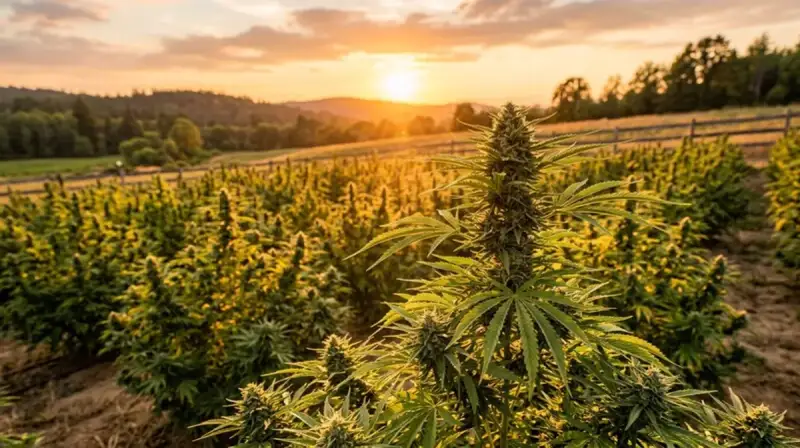
Golden Goat is a moderately challenging strain to grow, primarily due to its 11-week flowering time and sativa structure that requires active management indoors. The long flower period is rewarded with the full development of the distinctive golden colouration and tropical terpene profile that makes the strain famous. Patience is essential — harvesting Golden Goat before full maturity produces inferior colour and significantly less aromatic expression.
| Factor | Indoor | Outdoor |
|---|---|---|
| Flowering Time | 11 weeks (77 days) | Late October–early November |
| Yield | Moderate: 400–500g/m² with training | Moderate-High: 500–700g/plant in warm climate |
| Height | 100–160cm indoors with training | 200–260cm outdoors |
| Difficulty | Moderate — height and flowering time management | Moderate — warm climate; long frost-free autumn needed |
| Climate | 70–82°F; moderate humidity | Mediterranean or warm temperate; no early frost |
| Nutrient Needs | Moderate; responds well to phosphorus in flower | Standard nutrition; avoid over-feeding nitrogen in flower |
Grow Tips
- Allow full maturity for colour: The gold and red colouration that gives Golden Goat its name develops only in the final 2–3 weeks of flowering. Harvesting at week 9 or 10 means missing the signature visual and the full terpene development. Week 11 is not optional for best results.
- Temperature differential encourages colour: A 10–15°F drop between day and night temperatures during the final two weeks of flower intensifies the red and pink anthocyanin colouration in the pistils and calyxes.
- Top and train aggressively: Golden Goat’s tall sativa structure benefits significantly from early and aggressive topping during veg. Training the horizontal canopy early prevents the height from becoming unmanageable by week 4 of flower.
- Strong light during extended flower: An 11-week flower period in lower light conditions produces underdeveloped terpenes and lower potency. Maintain high-intensity lighting through the full flowering period.
Similar Strains
| Strain | THC | Similarity | Key Difference |
|---|---|---|---|
| Island Sweet Skunk | 16–22% | Parent strain; shares tropical-citrus aroma | Less complex; no Romulan body comfort; slightly different profile |
| Maui Wowie | 13–20% | Hawaiian-heritage tropical sativa; similar social effects | Lighter effects; pineapple-mango vs. sour-citrus |
| Jack Herer | 18–24% | Sativa-dominant; creative, uplifting; popular commercial strain | Pine-spice aroma; no tropical character |
| Durban Poison | 20–26% | Pure sativa energy; creative; uplifting | Anise-sweet aroma; more intensely stimulating; African heritage |
Drug Test Detection Windows
| Test Type | Occasional User | Regular User | Daily User |
|---|---|---|---|
| Urine | 3–7 days | 10–21 days | Up to 30+ days |
| Blood | 1–3 days | 3–7 days | 7–14 days |
| Saliva | 24–72 hours | 3–5 days | Up to 7 days |
| Hair Follicle | Up to 90 days | Up to 90 days | Up to 90 days |
See our full drug testing guide for complete metabolite clearance data.
Frequently Asked Questions
Jordan Price
Cannabis Cultivation Specialist — ZenWeedGuide
Jordan specialises in cannabis genetics, terpene science, and cultivation techniques. His research covers regional strain histories, accidental cross discoveries, and the development of the Colorado cannabis market.