7 Key Findings — Papaya
- Papaya is a cross of Citral #13 (a potent citral-dominant indica selection) and Ice #2 (a resin-heavy indica from Nirvana Seeds), producing a hybrid that combines tropical aroma with robust indica body effect.
- The terpene profile is genuinely tropical: limonene and myrcene combine to produce the authentic ripe papaya and mango aroma that gives the strain its name—an unusually clean fruit expression for an indica-dominant variety.
- THC ranges 20–25% depending on phenotype and growing conditions; top phenotypes rival the potency of far better-known modern cultivars, making Papaya a consistently underrated option in the indica market.
- Papaya achieved commercial success in the Netherlands coffeeshop scene during the late 1990s and 2000s, a market where customer feedback is immediate and unfiltered; its longevity in Amsterdam menus is a reliable indicator of consistent quality and effect.
- The effect profile is relaxed, happy, and sleepy—a smooth progression from mild euphoria through full-body relaxation to sleep-ready sedation, without the abrupt or harsh onset that high-THC strains can produce.
- Myrcene, limonene, and caryophyllene form a synergistic terpene triad: myrcene drives sedation, limonene elevates mood and moderates anxiety, and caryophyllene contributes pain-modulating CB2 activity.
- Papaya is a 9-week indoor strain that grows in compact indica structure, making it an excellent candidate for SOG (sea of green) production where its uniform phenotype expression and reliable yield are particular advantages.
Genetics & Breeding History
Nirvana Seeds, one of Amsterdam’s longest-established seed companies, created Papaya from two distinct indica-dominant selections: Citral #13 and Ice #2. Citral is a terpene compound (3,7-dimethyl-2,6-octadien-1-al) found in high concentrations in lemongrass and certain cannabis varieties; Citral #13 was selected specifically for its citrus-tropical aroma expression in an indica structure. Ice #2 is a resin-heavy indica from Nirvana’s Ice line, itself derived from Afghani, Shiva, White Widow, and Northern Lights crosses.
The combination produces a plant that expresses tropical fruit aromas typically associated with sativa genetics in a full indica body—an unusual genetic achievement that contributed to Papaya’s popularity in a coffeeshop market that values both flavor and effect reliability. The strain became particularly popular in Amsterdam during the early 2000s and has maintained a loyal following ever since.
Nirvana Seeds has offered Papaya in both feminized and regular seed form; the feminized version is the most widely cultivated and exhibits a very uniform phenotype with predictable tropical aroma and consistent 9-week flowering across plants.
Papaya Genetic Lineage
| Parent |
Type |
Key Traits Contributed |
| Citral #13 | Indica-dominant selection | Tropical citrus-papaya aroma, limonene dominance, fruity flavor |
| Ice #2 | Indica (Afghani × NL × Shiva × WW) | Resin production, potency, indica structure, sedation depth |
| Papaya | 75% Indica / 25% Sativa | — |
Terpene Profile
The defining characteristic of Papaya is its terpene profile. Myrcene provides the earthy, musky base that anchors the indica sedation; limonene contributes the bright tropical-citrus top note that makes the aroma immediately identifiable as “papaya” or “mango;” and caryophyllene adds a subtle spice that prevents the sweetness from becoming cloying. The overall nose is clean, tropical, and pleasant—a fruit bowl on an earthy foundation.
| Terpene |
Level |
Aroma Note |
Effect Contribution |
| Myrcene | High (>0.8%) | Earthy, tropical, musky | Sedation, body relaxation, THC synergy |
| Limonene | Moderate–High | Ripe papaya, mango, citrus | Mood elevation, anxiety reduction, antidepressant properties |
| Caryophyllene | Moderate | Spice, wood, pepper | CB2 agonist, anti-inflammatory, pain modulation |
Cannabinoid Profile
| Compound |
Typical Range |
Effect Contribution |
| THC (Δ9) | 20–25% | Euphoria, sedation, pain relief, appetite stimulation |
| CBD | <1% | Minimal direct effect; typical for high-THC indica hybrids |
| CBG | Trace–0.3% | Minor neuroprotective and anti-anxiety contribution |
Flavor & Aroma
Papaya’s aroma is one of its most distinctive qualities. Properly dried and cured Papaya smells of ripe tropical fruit—the dominant impression is unmistakably papaya or mango with a sweet, slightly tangy character. Beneath the fruit sits a warm earthy base from myrcene, and a subtle spice note from caryophyllene rounds out the profile on the back end.
On consumption, the flavor closely mirrors the aroma: tropical sweetness on the inhale, earthy-spice warmth on the exhale. The smoke and vapor are smooth, and the fruit flavors are genuine—not synthetic or candy-like. The tropical character is most pronounced in the first half of a session; as temperatures increase in a bowl or joint, the earthy notes become more prominent. Vaporization at 165–175°C captures the limonene top notes most effectively.
Effects Profile
Papaya produces a smooth, well-structured effect progression. The initial onset—around 10 minutes—brings mild euphoria and a brightening of mood that is partly attributable to the limonene content interacting with serotonin pathways. This happy, clear-headed opening phase lasts 20–30 minutes before the indica body effect gradually takes over.
Full-body relaxation develops slowly and pleasantly; there is no abrupt shift or overwhelming sedation at moderate doses. Users consistently report feeling relaxed and happy simultaneously—the limonene-driven mood elevation persists even as the body effect deepens. At higher doses, sleepiness is reliable and sleep onset comes easily, making Papaya an excellent evening wind-down strain.
| Effect |
Intensity |
Onset |
Notes |
| Relaxation | Very High | 15–20 min | Full-body; smooth and pleasant, not abrupt |
| Happiness / Euphoria | High | 5–10 min | Limonene-driven mood lift; persists into body phase |
| Sleepiness | High | 45–90 min | Reliable at full dose; excellent sleep-onset aid |
| Appetite Stimulation | Moderate | 20–40 min | Consistent; food tastes enhanced by tropical terpenes |
| Anxiety / Paranoia | Very Low | — | Limonene moderates anxiety risk; very accessible despite high THC |
Medical Applications
Papaya’s medical profile benefits substantially from the limonene content. Where most indica strains of similar potency rely on THC and myrcene alone, Papaya adds limonene’s documented anxiolytic and antidepressant properties. This makes it valuable not just for the standard indica applications (insomnia, pain, muscle tension) but also for mood disorders—particularly evening anxiety and depression with associated sleep disruption.
Chronic pain and muscle tension respond to the full-body relaxation and caryophyllene-driven CB2 anti-inflammatory action. Insomnia patients benefit from the smooth, non-confrontational sedation that makes dose calibration intuitive—the progressive nature of the effect allows users to identify their threshold without risking an overwhelmingly abrupt experience. Appetite stimulation is moderate but consistent, making it useful for nausea and appetite suppression in medical contexts.
Growing Papaya
| Parameter |
Indoor |
Outdoor |
Notes |
| Flower Time | 9 weeks | Early October | Very consistent finish across phenotypes |
| Yield (indoor) | 350–500g/m² | 500–700g/plant | Reliable; phenotype consistency aids SOG |
| Height | 70–110cm | 100–150cm | Compact indica; SOG optimal |
| Difficulty | Easy | Easy | Beginner-friendly; uniform phenotype |
| Mould Resistance | Moderate | Moderate | Good airflow recommended; indica bud density standard precautions |
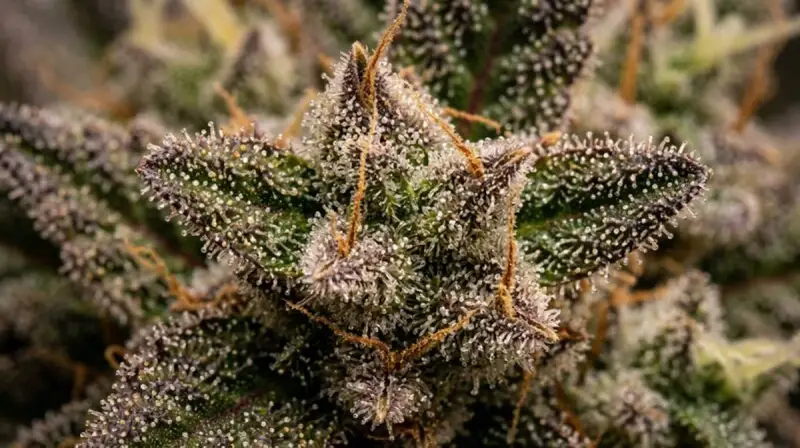
| Resin Production | High | High | Good extraction variety; trichomes dense on calyxes and sugar leaves |
Grow Tips
- SOG is ideal: Papaya’s uniform phenotype and compact structure make it excellent for sea-of-green production; 9–16 plants per m² with a single main cola maximizes yield efficiency.
- Temperature matters for terpenes: Keeping the grow room at 20–24°C during lights-on helps preserve limonene, which has a relatively low boiling point and can partially volatilize in very warm rooms.
- Harvest timing for tropical flavor: Harvesting at mostly cloudy trichomes (5–10% amber) preserves maximum limonene content and tropical aroma; waiting for heavy amber shifts the profile toward myrcene sedation and reduces the fruit character.
- Cure carefully: Papaya’s tropical terpenes are particularly sensitive to improper curing; 60–65% relative humidity in sealed glass jars for a minimum of 3 weeks produces the best flavor result.
Coffeeshop Legacy
Papaya earned its reputation in the Dutch coffeeshop market—one of the world’s most demanding consumer testing environments. Coffeeshop buyers in Amsterdam receive direct, unfiltered feedback from thousands of customers per week, and strains that persist on menus for years do so on the basis of genuine quality and consistent effect. Papaya has appeared on Amsterdam menus for over two decades.
The Dutch cannabis market of the 1990s and 2000s favored strains with clean, identifiable flavor profiles and smooth, accessible effects—Papaya’s tropical character made it immediately distinguishable from the earthy hash-forward indicas that dominated the market, and its smooth effect curve made it appropriate for casual social use rather than only heavy-user consumption.
Similar Strains
About the Author
JP
Jordan Price
Jordan Price has spent over a decade researching cannabis genetics, terpene science, and medical applications. Specializing in indica and hybrid strain analysis, Jordan has documented hundreds of strain profiles with a focus on accuracy, medical utility, and practical growing information.
Video: Papaya Strain Review
Video content for Papaya cannabis strain. Search “Papaya strain review Nirvana Seeds” for grow journals and coffeeshop reviews on YouTube.
Frequently Asked Questions
What are the genetics of the Papaya strain?
Papaya is a cross of Citral #13 and Ice #2, created by Nirvana Seeds in Amsterdam. Citral #13 is an indica selection chosen for its tropical citrus-papaya terpene expression. Ice #2 is a resin-heavy indica from Nirvana’s Ice line, derived from Afghani, Northern Lights, Shiva, and White Widow genetics. The cross produces a 75% indica hybrid with a tropical terpene profile and potent indica body effect.
What does Papaya smell and taste like?
Papaya has a genuinely tropical aroma: the dominant note is ripe papaya and mango, driven by limonene. An earthy myrcene base grounds the tropical top notes, and a subtle caryophyllene spice rounds out the profile on exhale. The flavor mirrors the aroma closely—tropical sweetness on the inhale with earthy warmth on the finish. Proper curing is important to preserve the limonene-driven fruit character.
What are the effects of Papaya cannabis?
Papaya produces a smooth, progressive effect: mild euphoria and mood elevation at onset (from limonene), transitioning into full-body relaxation and eventually sleepiness. The effect curve is gradual and pleasant, without an abrupt or overwhelming onset even at higher doses. Users consistently report feeling relaxed and happy. At full doses, sleep onset is reliable, making it an excellent evening strain. Anxiety risk is low due to limonene’s anxiolytic properties.
Is Papaya a good strain for beginners to grow?
Yes. Papaya is rated as easy to grow, with a compact indica structure, consistent 9-week flowering, and uniform phenotype expression that makes it predictable and manageable. It performs well in soil-based setups with moderate feeding and is particularly well-suited for SOG (sea of green) production. The main consideration is maintaining good airflow and proper curing conditions to preserve its tropical terpene profile.
Why is Papaya popular in Amsterdam coffeeshops?
Papaya has been an Amsterdam coffeeshop menu staple for over two decades because it combines two qualities that the Dutch market prizes: a distinctive, immediately identifiable flavor profile (tropical fruit) and a smooth, accessible effect that works for both casual and experienced users. The Dutch coffeeshop market provides rigorous real-world testing—strains that persist for years do so because they deliver consistent quality and positive customer experiences, which Papaya has demonstrated repeatedly.