




Thai Overview
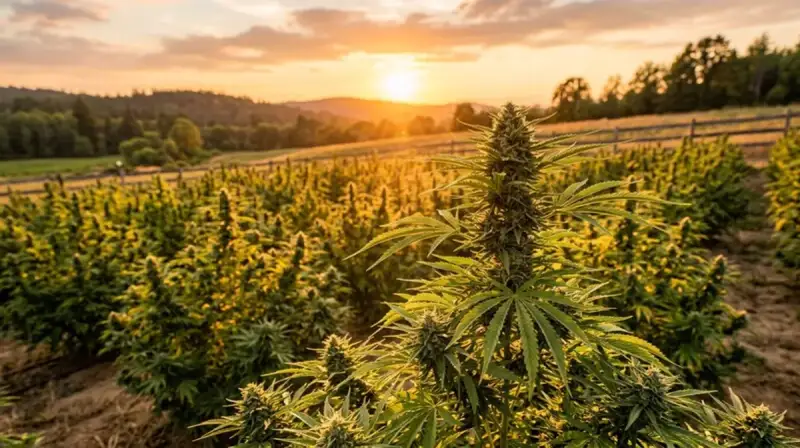
Thai cannabis is one of the most historically significant and botanically authentic cannabis varieties in existence. As a true sativa landrace — meaning it evolved naturally in its native environment over centuries without deliberate selective breeding by Western cultivators — Thai represents the original form of cannabis sativa adapted to equatorial tropical conditions. The plant and its products were a fundamental part of Thai culture, traditional medicine, and spiritual practice long before cannabis became a subject of Western botanical interest.
The term ’Thai Stick’ entered cannabis folklore during the Vietnam War era, when American servicemen and journalists encountered this unusually powerful cannabis in Southeast Asia and began bringing it back to the United States. The name referred specifically to the traditional Thai preparation: sun-dried cannabis buds tied tightly along a bamboo skewer, sometimes coated with cannabis resin or oil, creating a potent smokeable stick. These Thai Sticks became legend in American cannabis culture, representing an experience qualitatively different from anything available domestically at the time.
The Thai landrace has contributed its genetics to dozens of the most celebrated hybrid strains in cannabis history. Trainwreck, Jack Herer, Chocolope, and numerous Haze variants all carry Thai sativa genetics — it is one of the foundational genetic pillars of the modern cannabis industry. Preserving and understanding the original landrace is therefore not merely academic; it is essential to understanding where the cannabis that fills modern dispensary shelves actually comes from.
Today, genuine Thai landrace genetics are maintained by a small number of seed preservation specialists and dedicated enthusiasts. Several seed banks offer Thai or Thai-based seeds, though quality varies significantly. The Chocolate Thai phenotype — which expresses a distinctive cocoa-spice aromatic note alongside the classic Thai floral character — is particularly sought after among landrace enthusiasts and represents one of the most exotic flavor profiles available in cannabis cultivation.
Cannabinoid & Terpene Profile
Thai cannabis presents one of the most interesting and complex cannabinoid profiles among landrace varieties. THC content varies significantly across the landrace population — ranging from 14% to 22% depending on the specific phenotype, cultivation conditions, and harvest timing — reflecting the natural genetic diversity of an unselected population. Some specimens also express detectable CBG and even trace CBD, unusual ratios that may contribute to the distinctive quality of the Thai experience.
Despite THC numbers that appear modest compared to modern 25–30% commercial strains, Thai is universally described as producing a more intense, complex, and longer-lasting psychoactive experience than the numbers would suggest. Cannabis researchers and connoisseurs point to the unique terpene matrix and the possible presence of rare cannabinoids as factors that amplify and diversify the THC-driven effects through complex entourage interactions not captured in simple THC percentage reporting.
Terpinolene is the primary terpene — a characteristic of equatorial sativa landraces and their Haze-family descendants. The fresh, floral, slightly piney character of terpinolene provides the airy, soaring quality of the cerebral high and contributes the distinctive top notes of the aroma. Thai’s terpinolene expression is particularly complex, blending with floral and spice secondaries to create something more exotic than the simpler terpinolene profile of most Haze varieties.
Beta-caryophyllene appears as a secondary terpene contributing the spice notes characteristic of Thai’s aromatic profile. In the context of a terpinolene-dominant sativa, caryophyllene’s CB2 anti-inflammatory activity adds a grounding physical dimension to what is otherwise a purely cerebral experience.
Exotic secondary terpenes including guaiol, isopulegol, and various sesquiterpenes appear in Thai that are rare in modern hybrids. These compounds — remnants of the plant’s evolved chemistry in its original ecosystem — are believed to contribute significantly to the exotic, incense-like aromatic quality and the distinctive psychedelic dimension of the Thai experience that cannot be fully replicated by modern high-THC hybrids.
Effects & Experience
The Thai experience is categorically different from modern hybrid cannabis in ways that extend beyond simple potency or duration. Experienced cannabis consumers consistently describe Thai as producing a qualitatively unique state that feels genuinely psychedelic in character — not in the visual-distortion sense of classic psychedelics, but in the way it fundamentally alters the quality of thought, perception, and emotional engagement with the world.
Onset is progressive rather than immediate — typically 10 to 20 minutes after inhalation — and builds gradually in intensity over the first hour. This slow crescendo is characteristic of pure sativa landraces and is responsible for overconsumption mistakes: users who are accustomed to faster-onset strains may dose again before the full effect has arrived. This is strongly inadvisable with Thai.
At the peak, Thai produces an intensely clear, expansive cerebral state. Thoughts become remarkably vivid and interconnected, sensory perception is heightened and subtly transformed, time perception expands, and there is a profound sense of presence and engagement with experience that many users describe as spiritually or philosophically resonant. Colors become slightly more vivid, music gains new dimensions, and the ordinary world reveals unexpected complexity and beauty.
The duration is one of Thai’s most remarked-upon characteristics. A full session with quality Thai cannabis typically produces peak effects lasting three to five hours, with a gradual descent over the following two hours. Total experience duration of five to seven hours is common, substantially exceeding virtually all modern hybrid strains. This duration demands planning — an afternoon session can easily extend into the evening.
Physical effects are minimal throughout the experience — no body heaviness, no couch-lock, and no sedation. There is occasionally mild physical stimulation or a slight heart rate increase in the early phase. The primary risk is psychological: the intensity of the cerebral experience can be disorienting or anxiety-provoking for those unprepared for its nature. Set and setting — mindset and physical environment — matter more with Thai than with most cannabis strains.
Video Guide: Thai / Thai Stick Strain History & Review
Explore the history of Thai Stick cannabis, its cultural significance, terpene analysis, and contemporary cultivation approaches.
Flavor & Aroma in Detail
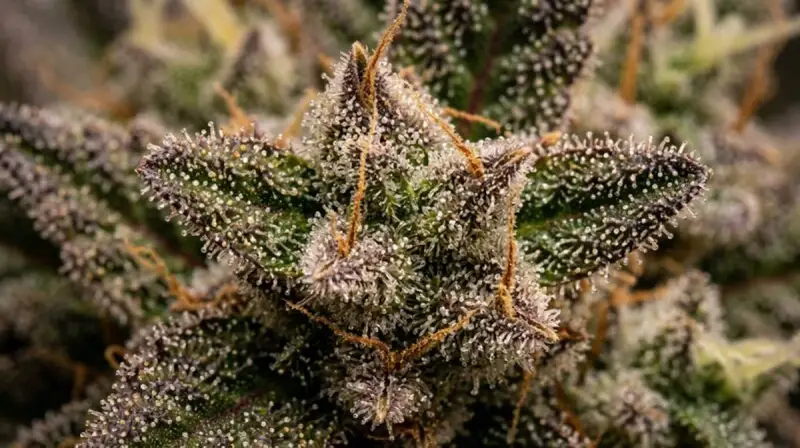
Thai cannabis has perhaps the most distinctive and exotic aroma of any widely cultivated cannabis variety. It is immediately identifiable to those familiar with it and consistently described as unlike anything else in the cannabis world. Opening a container of well-cured Thai is an aromatic event — a complex, warm, spice-forward fragrance that carries unmistakable tropical and incense notes absent from most Western-cultivated varieties.
The dominant aromatic impression is sweet and floral — not the grape-vanilla sweetness of dessert strains or the citrus brightness of Haze varieties, but a warmer, more exotic floral character reminiscent of jasmine, ylang-ylang, or tropical orchid. This floral note has a richness and depth that is distinctly Southeast Asian in its botanical reference points, and experienced cannabis consumers immediately identify it as the hallmark of authentic Thai genetics.
Woven through the floral sweetness is a spice component — warm, complex, and reminiscent of traditional Thai culinary spices: hints of cardamom, clove, and a distinctive incense-smoke quality that is often described as reminiscent of temples or traditional Asian ritual settings. The Chocolate Thai phenotype adds a cocoa-like richness to this spice layer that is particularly compelling and explains the devoted following this genetic expression has developed among connoisseurs.
On the palate, Thai smokes with an unusual smoothness given its sativa character — the loose bud structure allows good airflow and even combustion. The sweet floral notes are most prominent on the inhale while the spice and incense character builds mid-palate and dominates the exhale. The aftertaste is distinctive and lingers pleasantly — a warm, complex spice-floral finish that is memorable and immediately identifiable.
Medical & Therapeutic Uses
Thai cannabis’s pure sativa character and psychedelic intensity profile it toward a specific set of therapeutic applications and away from others. It is not a universal medical cannabis — its intensity and long duration make it inappropriate for sedation-seeking or anxiety-managing applications — but within its effective range it offers unique qualities that modern hybrids cannot replicate.
Severe depression and treatment-resistant mood disorders: The profound mood-elevating and perspective-altering properties of Thai are of genuine therapeutic interest, particularly in the context of growing research into psychedelic-assisted therapy. For patients whose depression is resistant to conventional interventions, the quality of the Thai experience — its depth of mood shift and phenomenological novelty — represents a potentially valuable tool under appropriate medical guidance.
Fatigue and energy deficits: The intensely energizing, stimulating quality of Thai makes it effective for managing fatigue, both physical and mental. Unlike many cannabis strains that produce sedation as a side effect, Thai is genuinely energizing without the cardiovascular stimulation of caffeine-class compounds.
Traditional medicine applications: In Thailand, cannabis was historically used in traditional medicine for pain management, digestive issues, muscle relaxation, and as a general tonic. While the modern evidence base for these specific applications is limited, the historical use context reflects a sophisticated multi-generational understanding of the plant’s therapeutic properties within its original cultural framework.
Contraindications: Thai is definitively contraindicated for anxiety disorders, psychosis-spectrum conditions, panic disorder, and any condition where prolonged intense psychoactive experiences could be destabilizing. The five-to-seven hour duration means that a challenging experience cannot simply be waited out quickly. Medical supervision is strongly recommended for any therapeutic application involving Thai landrace cannabis.
Growing Thai
Growing genuine Thai landrace cannabis is a project for the most committed and experienced cultivators. Its requirements are genuinely demanding and cannot be accommodated by typical home growing setups. This is not a commercially viable strain for most indoor operations — its cultivation value lies in preservation, personal experience, and genetic legacy rather than yield efficiency.
Height and space: Thai plants are among the tallest cannabis varieties that can be cultivated. Indoors they routinely exceed 200 cm and can reach 250–300 cm if not aggressively topped. Outdoor plants in suitable climates can reach 4–5 meters. Indoor cultivation is only practical in spaces with very high ceilings (3.5m+) or with intensive training from the earliest stages.
Flowering time: 12 to 16 weeks — this is not a typo. True equatorial sativa landraces evolved without seasonal variation in day length, and their biological flowering clock is correspondingly long. Indoor growers must maintain the patience and resources for this extended timeline. Some Thai phenotypes push beyond 16 weeks before reaching full maturity.
Climate requirements: Warm, humid conditions during vegetative growth (25–30°C, 60–70% RH) reflecting the tropical Thai climate. The long flowering period makes outdoor cultivation outside of equatorial or tropical climates essentially impossible — the strain cannot complete its cycle before cold weather arrives in temperate zones. Greenhouse cultivation with supplemental heating extends the viable growing range.
Yield: Moderate to low by modern standards — loose sativa bud structure produces less weight than dense indica varieties despite the substantial plant size. The value of growing Thai is in experience and genetics preservation, not yield maximization. Seed preservation is an important secondary benefit that cultivators of landrace genetics contribute to cannabis biodiversity.
Consumption Methods
The traditional Thai Stick preparation method — cannabis flowers tied along bamboo skewers — is more a historical artifact than a practical consumption approach today, though it is occasionally recreated by enthusiasts for the authentic experience it provides. Modern consumption methods better optimize the Thai experience for both flavor preservation and effect management.
Joint smoking is the most traditional accessible method and one that many aficionados prefer for capturing the full Thai aroma-to-smoke transformation. The combustion process amplifies the spice and incense notes while preserving the floral foundation. The slow build of the joint-smoke onset is particularly appropriate for Thai’s progressive effect timeline.
Dry herb vaporization at 165–180°C captures the rare terpene profile with exceptional fidelity, producing a vaporization experience that reveals aromatic dimensions often masked by combustion. For flavor-focused connoisseurs experiencing Thai for the first time, a clean vaporizer session at lower temperatures provides the most authentic introduction to the strain’s exotic aromatics.
Dosing caution: Regardless of consumption method, Thai demands conservative dosing — particularly given the slow, progressive onset that can lead to underestimating the full effect before it arrives. Starting with minimal inhalation and waiting a full 30 minutes is especially important with Thai and its extended effect building curve. The long duration (5–7 hours) means that an overly intense experience will be a lengthy one.
Similar Strains Worth Exploring
Jordan Price has spent over a decade studying cannabis genetics, terpene chemistry, and cultivation practices. Working with dispensaries, seed banks, and patients across North America, Jordan translates complex botanical and pharmacological data into accessible guidance for consumers at every level of experience.