
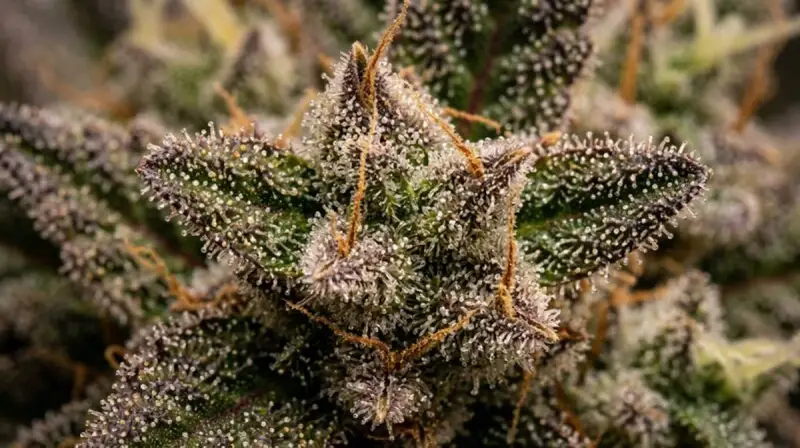








- Origin: Arcata, Humboldt County, NorCal (1970s); Mexican Sativa × Thai Sativa × Afghani Indica
- THC: 18–25%; CBD under 1%; dominant terpene: terpinolene, followed by ocimene and myrcene
- Sativa-dominant (90/10); the Afghani component provides body relaxation without overwhelming the sativa energy
- Effects: immediate mind rush — euphoric, energetic, creative — then transitioning to body relaxation
- Medical: PTSD, anxiety (low doses), pain, migraines, ADHD (low doses)
- Flavor: lemon-pine, spicy-earthy, peppery — characteristic NorCal terpene profile
- Growing: tall leggy sativa requiring aggressive training indoors; outdoor thrives in NorCal climate; 9–10 weeks
Strain Quick-Reference
| Genetics | Mexican Sativa × Thai Sativa × Afghani Indica |
| Origin | Arcata, Humboldt County, Northern California (1970s) |
| Type | Sativa-Dominant (90/10) |
| THC | 18–25% |
| CBD | <1% |
| Primary Terpenes | Terpinolene, Ocimene, Myrcene |
| Flowering Time | 63–70 days (9–10 weeks) |
| Indoor Yield | 350–500 g/m² (training required) |
| Grow Difficulty | Moderate–Difficult (indoors); Easy–Moderate (outdoors NorCal) |
Genetics & NorCal Heritage
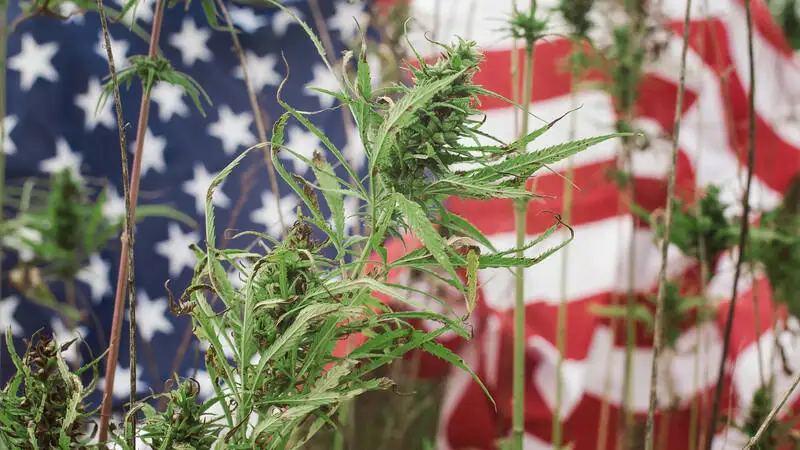
Trainwreck is one of the few genuine cannabis heritage strains with a documented place of origin. It emerged from Arcata in Humboldt County, Northern California — the heart of the Emerald Triangle — in the 1970s, when outdoor cultivation of imported genetics first took root in American counterculture.
The strain is a three-way cross of Mexican sativa, Thai sativa, and Afghani indica. The Mexican and Thai sativa parents provide the tall structure, the lemon-pine terpene character, and the fast-acting cerebral energy that defines Trainwreck. The Afghani component — which constitutes roughly 10% of the genetic expression — contributes the body component and helps anchor the otherwise pure-sativa effect profile.
The name’s origin is disputed. The most commonly repeated account attributes it to a train derailment that occurred near the Arcata grow site. Others attribute the name simply to the sudden, powerful force of the high — a freight train of euphoria hitting before the user is prepared for it.
The original Trainwreck from Arcata was a clone-only variety for decades, passed through the NorCal outdoor grower community. When cannabis seeds became commercially available in the 1990s and 2000s, breeders including Humboldt Seed Organisation stabilized feminized versions. Trainwreck remains one of the most iconic California outdoor strains.
Effects & Experience
Trainwreck’s defining characteristic is the speed and force of its onset. The “freight train” name is not hyperbole: users consistently report being caught off guard by how quickly the effects arrive.
Onset (0–5 Minutes)
An immediate rush of cerebral stimulation sets in within minutes of inhalation. Energy, mood elevation, and creative activation arrive simultaneously. Sensory sharpening is common: music sounds better, visual detail increases, and conversation accelerates. This phase closely resembles the onset of the original Thai and Mexican sativa parent strains.
Peak (10–75 Minutes)
The peak combines the sativa cerebral energy with the Afghani indica’s contribution to physical ease. The body relaxes while the mind remains active and creative. This is the most functional window for Trainwreck — social, productive, and active use are all appropriate at moderate doses.
Tail (75–150 Minutes)
As the peak fades, the indica body component becomes proportionally more prominent. Some users experience a mild comedown tiredness, particularly with higher doses. At moderate doses, the tail is a pleasant, calm body ease that does not impair function.
Medical Applications
Trainwreck’s fast-acting, euphoric profile makes it suitable for specific medical applications, particularly conditions involving mood, cognition, and pain where sativa-dominant effects are preferred over sedation.
| Condition | Mechanism | Dose Guidance |
|---|---|---|
| PTSD | Euphoric interruption of intrusive thought cycles; terpinolene calming | Low–moderate; evening preferred |
| Anxiety | Low-dose terpinolene anxiolytic effect; mood elevation reduces perceived threat | Very low dose only; paradoxical at high doses |
| Pain | Body relaxation from Afghani component; myrcene analgesic support | Moderate dose; better for tension than severe pain |
| Migraines | Terpinolene + myrcene anti-nausea; THC pain interruption | Early-onset use recommended before peak migraine pain |
Flavor & Aroma Profile
Trainwreck’s terpene profile reflects its NorCal outdoor heritage: a sharp lemon-pine opening, earthy spice in the mid-note, and a peppery finish that lingers on the exhale. It is a less sweet and more resinous aroma than modern dispensary hybrids.
| Terpene | Aroma | Effect Role |
|---|---|---|
| Terpinolene | Pine, lemon, fresh, floral | Uplifting and anxiolytic at low concentration; primary driver of cerebral onset |
| Ocimene | Sweet, herbal, woody | Uplifting; secondary aromatic layer; rare in most modern hybrids |
| Myrcene | Earthy, herbal | THC potentiator; introduces the Afghani body relaxation at the tail |
Growing Trainwreck
Trainwreck is a challenging indoor cultivar due to its aggressive sativa stretch. Left unmanaged, plants can triple in height during the first three weeks of flower, creating severe canopy and light distribution problems in standard grow tents.
| Factor | Indoor | Outdoor |
|---|---|---|
| Flowering Time | 63–70 days | Early–mid October |
| Yield | 350–500 g/m² (with training) | 500–900 g/plant |
| Height (indoor) | 120–200+ cm (untrained) | 200–300+ cm |
| Difficulty (indoor) | Moderate–Difficult | Easy (NorCal/Warm climates) |
| Required Training | Top early; SCROG or heavy LST | Optional; natural is fine outdoors |
Indoor growers should top Trainwreck at the 5th or 6th node during veg and initiate low-stress training (LST) to spread the canopy horizontally. Switch to 12/12 when the plant reaches 40–50% of your target final height to account for the significant flower stretch. A SCROG net placed 40–50 cm above the pot is the most effective canopy management tool for Trainwreck.
Outdoors, Trainwreck performs exceptionally well in NorCal’s climate — the same conditions where it developed. It produces very large plants and heavy yields with minimal intervention. Warm, dry September conditions help bring out the full terpene expression before the October harvest window.
Trainwreck vs. Similar Sativa-Dominant Strains
| Strain | Type | THC | Key Difference |
|---|---|---|---|
| Jack Herer | Sativa-Dom | 18–23% | Smoother onset; spicy pine-citrus; more manageable for beginners |
| Sour Diesel | Sativa-Dom | 20–25% | Diesel-forward aroma; similarly energizing; longer duration |
| Green Crack | Sativa-Dom | 16–24% | More mango-citrus; similar energizing profile; less historic heritage |
| Mimosa | Sativa-Dom | 20–27% | Smoother citrus; modern dispensary hybrid; less raw sativa character |
Related Strains
- Jack Herer — Fellow NorCal sativa legend; smoother onset; spice-pine
- Sour Diesel — East Coast sativa counterpart; diesel-dominant aroma
- Bruce Banner — Another fast-onset, high-impact sativa-dom hybrid
- Green Crack — High-energy sativa with similar daytime utility
- Cherry Pie — Granddaddy Purple x Durban Poison; sweeter, less intense alternative
Drug Test Detection Windows
Cannabis metabolites from any strain including this one are stored in body fat and released gradually. Detection windows depend primarily on frequency of use, body composition, metabolism, and individual physiology.
| Test Type | Occasional Use | Daily Use | Notes |
|---|---|---|---|
| Urine | 3–7 days | Up to 30 days | Most common workplace test; detects THC-COOH metabolite |
| Blood | Up to 24 hours | Up to 7 days | Active THC clears fastest; used in roadside testing |
| Saliva | 24–48 hours | Up to 72 hours | Common roadside test; window shorter than urine |
| Hair | Potentially detectable | Up to 90 days | 1.5-inch sample covers ~90 days of growth |
THC potency does not directly extend detection windows. A single session with this high-THC strain is not detectably different from a lower-THC strain after 48 hours in urine. Frequency is the primary variable. See our full drug test guide for comprehensive testing information.
Cannabinoid & Terpene Synergy
The effects of any cannabis strain are not produced by THC alone. The entourage effect describes how cannabinoids (THC, CBD, CBG, CBN) and terpenes interact synergistically to modulate the overall experience. Understanding this helps explain why two strains with identical THC percentages can feel completely different.
- Myrcene + THC: Myrcene increases blood-brain barrier permeability, potentiating THC uptake and enhancing body relaxation. High-myrcene strains feel heavier than their THC% suggests.
- Caryophyllene + THC: Caryophyllene’s CB2 binding adds an anti-inflammatory layer to the experience and can reduce anxiety by modulating the endocannabinoid system independently of CB1.
- Limonene/Terpinolene + THC: Mood-elevating terpenes counterbalance the sedative tendency of high myrcene, producing the uplifting character in sativa-dominant and balanced hybrids.
- CBD + THC: Even trace amounts of CBD (0.1–0.5%) can attenuate THC-induced anxiety by partial CB1 antagonism. This is part of why full-spectrum products behave differently than pure THC isolates.
Explore Cannabis Strain Comparisons
Compare this strain side-by-side with others in our database to understand how genetics, terpene profile, and effect duration differ across varieties.
- Full Strain Comparison Tool — Side-by-side comparison for any two strains
- Effects Database — Find strains by specific effect profile
- Terpene Guide — Understand how individual terpenes shape the experience
- Growing Guides — Detailed cultivation resources for every skill level
- Medical Cannabis Guide — Condition-specific strain recommendations
Drug Test Detection Windows
Cannabis metabolites from any strain including this one are stored in body fat and released gradually. Detection windows depend primarily on frequency of use, body composition, metabolism, and individual physiology.
| Test Type | Occasional Use | Daily Use | Notes |
|---|---|---|---|
| Urine | 3–7 days | Up to 30 days | Most common workplace test; detects THC-COOH metabolite |
| Blood | Up to 24 hours | Up to 7 days | Active THC clears fastest; used in roadside testing |
| Saliva | 24–48 hours | Up to 72 hours | Common roadside test; window shorter than urine |
| Hair | Potentially detectable | Up to 90 days | 1.5-inch sample covers ~90 days of growth |
THC potency does not directly extend detection windows. A single session with this high-THC strain is not detectably different from a lower-THC strain after 48 hours in urine. Frequency is the primary variable. See our full drug test guide for comprehensive testing information.
Cannabinoid & Terpene Synergy
The effects of any cannabis strain are not produced by THC alone. The entourage effect describes how cannabinoids (THC, CBD, CBG, CBN) and terpenes interact synergistically to modulate the overall experience. Understanding this helps explain why two strains with identical THC percentages can feel completely different.
- Myrcene + THC: Myrcene increases blood-brain barrier permeability, potentiating THC uptake and enhancing body relaxation. High-myrcene strains feel heavier than their THC% suggests.
- Caryophyllene + THC: Caryophyllene’s CB2 binding adds an anti-inflammatory layer to the experience and can reduce anxiety by modulating the endocannabinoid system independently of CB1.
- Limonene/Terpinolene + THC: Mood-elevating terpenes counterbalance the sedative tendency of high myrcene, producing the uplifting character in sativa-dominant and balanced hybrids.
- CBD + THC: Even trace amounts of CBD (0.1–0.5%) can attenuate THC-induced anxiety by partial CB1 antagonism. This is part of why full-spectrum products behave differently than pure THC isolates.
Explore Cannabis Strain Comparisons
Compare this strain side-by-side with others in our database to understand how genetics, terpene profile, and effect duration differ across varieties.
- Full Strain Comparison Tool — Side-by-side comparison for any two strains
- Effects Database — Find strains by specific effect profile
- Terpene Guide — Understand how individual terpenes shape the experience
- Growing Guides — Detailed cultivation resources for every skill level
- Medical Cannabis Guide — Condition-specific strain recommendations
Drug Test Detection Windows
Cannabis metabolites from any strain including this one are stored in body fat and released gradually. Detection windows depend primarily on frequency of use, body composition, metabolism, and individual physiology.
| Test Type | Occasional Use | Daily Use | Notes |
|---|---|---|---|
| Urine | 3–7 days | Up to 30 days | Most common workplace test; detects THC-COOH metabolite |
| Blood | Up to 24 hours | Up to 7 days | Active THC clears fastest; used in roadside testing |
| Saliva | 24–48 hours | Up to 72 hours | Common roadside test; window shorter than urine |
| Hair | Potentially detectable | Up to 90 days | 1.5-inch sample covers ~90 days of growth |
THC potency does not directly extend detection windows. A single session with this high-THC strain is not detectably different from a lower-THC strain after 48 hours in urine. Frequency is the primary variable. See our full drug test guide for comprehensive testing information.
Cannabinoid & Terpene Synergy
The effects of any cannabis strain are not produced by THC alone. The entourage effect describes how cannabinoids (THC, CBD, CBG, CBN) and terpenes interact synergistically to modulate the overall experience. Understanding this helps explain why two strains with identical THC percentages can feel completely different.
- Myrcene + THC: Myrcene increases blood-brain barrier permeability, potentiating THC uptake and enhancing body relaxation. High-myrcene strains feel heavier than their THC% suggests.
- Caryophyllene + THC: Caryophyllene’s CB2 binding adds an anti-inflammatory layer to the experience and can reduce anxiety by modulating the endocannabinoid system independently of CB1.
- Limonene/Terpinolene + THC: Mood-elevating terpenes counterbalance the sedative tendency of high myrcene, producing the uplifting character in sativa-dominant and balanced hybrids.
- CBD + THC: Even trace amounts of CBD (0.1–0.5%) can attenuate THC-induced anxiety by partial CB1 antagonism. This is part of why full-spectrum products behave differently than pure THC isolates.
Explore Cannabis Strain Comparisons
Compare this strain side-by-side with others in our database to understand how genetics, terpene profile, and effect duration differ across varieties.
- Full Strain Comparison Tool — Side-by-side comparison for any two strains
- Effects Database — Find strains by specific effect profile
- Terpene Guide — Understand how individual terpenes shape the experience
- Growing Guides — Detailed cultivation resources for every skill level
- Medical Cannabis Guide — Condition-specific strain recommendations
Jordan Price has spent over a decade working with licensed cultivators across California and Colorado, specializing in terpene-forward genetics and indoor production optimization.