
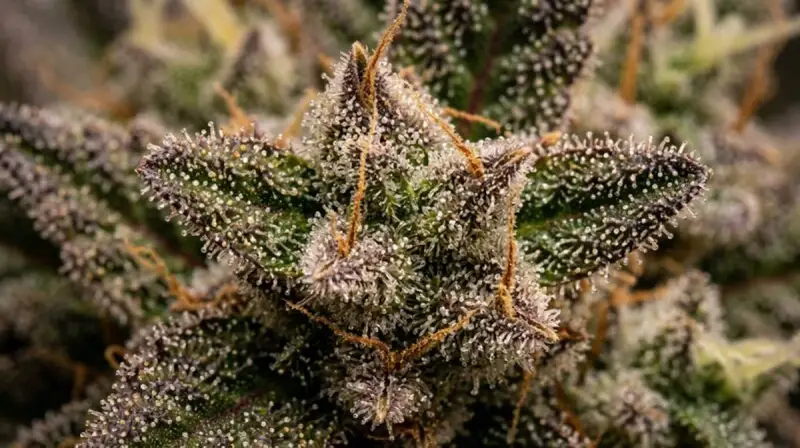









- Bred by TGA Subcool Seeds as a cross of Apollo 13 and Space Queen, two legendary sativa-leaning hybrids.
- THC content typically measures between 15–19%, delivering a clear-headed, manageable sativa experience.
- Terpinolene is the dominant terpene, producing a vivid blend of citrus, floral, and piney aromas.
- Secondary terpenes include myrcene, ocimene, and caryophyllene, rounding out the profile with herbal and spicy notes.
- Effects are strongly cerebral: uplifting, creative, and energizing, with minimal body sedation.
- Onset is rapid — most users report noticeable effects within 5–10 minutes of inhalation.
- Flowering time indoors is approximately 60–65 days, making it relatively quick for a sativa-dominant plant.
- Indoor yields average around 400–450 g/m² under optimized light and feeding conditions.
- Commonly reported benefits include relief from fatigue, low mood, and mild stress without heavy sedation.
- Best suited to experienced growers due to its tall, stretchy growth habit and need for training techniques.
Strain Quick-Reference
| Factor | Detail |
|---|---|
| Genetics | Apollo 13 × Space Queen |
| Breeder | TGA Subcool Seeds |
| Type | Sativa-dominant hybrid |
| THC | 15–19% |
| CBD | ~0.1% |
| Primary Terpenes | Terpinolene, Myrcene, Ocimene, Caryophyllene |
| Flavors | Tropical citrus, mango, pine resin, sweet floral |
| Effects | Euphoric, uplifting, creative, energizing, focused |
| Flowering Time | 60–65 days (indoor) |
| Indoor Yield | 400–450 g/m² |
| Grow Difficulty | Moderate–Advanced |
Genetics, Lineage & Origin
Vortex was developed by TGA Subcool Seeds, the influential Oregon-based breeding operation founded by the late cannabis pioneer Subcool. The strain is a deliberate cross of two celebrated TGA creations: Apollo 13, itself a complex fusion of Genius (a Cinderella 99 phenotype) and P75, and Space Queen, a hybrid of Romulan and Cinderella 99. Both parents carry significant Cinderella 99 ancestry, which lends Vortex its signature fast-finishing flowering cycle and piercing tropical fruit aroma — traits that are unusually well-expressed for a plant with such prominent sativa genetics.
The Cinderella 99 lineage that runs through both Apollo 13 and Space Queen traces back to a legendary find by breeder Mr. Soul of Brothers Grimm Seeds, who selected a unique female from a Nevil’s Haze × Shiva Skunk cross in the 1990s. That original “Princess” plant passed on extraordinary terpene expression, fast maturation, and a racey, euphoric effect profile that became the foundation of an entire family of modern sativa hybrids. Vortex distills these qualities into a strain that manages to be both potent and approachable, combining Apollo 13’s cerebral sharpness with Space Queen’s exotic sweetness.
TGA Subcool Seeds released Vortex as a regular seed variety, meaning plants can express both male and female phenotypes, and breeders have used it extensively as a parent in subsequent crosses. Notable phenotypic variation exists within the strain: some plants lean more heavily toward Space Queen’s mango and vanilla sweetness, while others express Apollo 13’s sharper lemon-pine character. Despite this variability, the dominant terpinolene signature remains consistent across phenotypes, making Vortex one of the most reliably terpinolene-forward strains available to home cultivators.
Effects Profile
Vortex delivers a characteristically sativa experience: fast-acting, mentally vivid, and socially engaging. The high is energizing rather than sedating, making it a popular choice for daytime use, creative projects, and social situations. Users with lower THC tolerance should approach Vortex with some caution, as its rapid onset and cerebral intensity can feel overwhelming in large doses. For most experienced users, however, it sits in a comfortable sweet spot between stimulating and calming — alert but not anxious, focused but not tunnel-visioned.
Onset (0–15 minutes)
Within five to ten minutes of inhalation, a bright pressure builds behind the eyes and temples, accompanied by a sudden lift in mood and sensory sharpening. Many users notice an almost electric quality to the initial onset — colors seem more vivid, sounds more textured, and thoughts arrive with unusual speed and clarity.
Peak (15–90 minutes)
At its peak, Vortex sustains a buoyant, euphoric mental state that most users describe as genuinely productive and creative rather than scattered or anxious. Mild physical warmth settles across the chest and shoulders, but body effects remain secondary; this is overwhelmingly a head-dominant high suited to conversation, artistic work, or active outdoor pursuits.
Tail (90 minutes–3+ hours)
As the peak intensity gradually softens, a gentle relaxation begins to accompany the remaining cerebral warmth, easing users into a pleasant, contented state that rarely tips into sedation. The comedown is notably smooth — one of Vortex’s most appreciated qualities — leaving most people functional and clear-headed rather than groggy or lethargic.
Terpene Profile
| Terpene | Typical % | Aroma Note | Effect Role |
|---|---|---|---|
| Terpinolene | 0.6–1.2% | Floral, citrus, piney, fruity | Uplifting, mildly anxiolytic, antioxidant properties noted in research |
| Myrcene | 0.2–0.5% | Earthy, mango, herbal | Potentiates THC uptake, adds mild physical relaxation and sedating quality |
| Ocimene | 0.1–0.3% | Sweet, tropical, woody | Contributes to the sweet tropical aroma; potential antifungal and antiviral properties |
| Caryophyllene | 0.1–0.2% | Spicy, peppery, woody | Binds CB2 receptors directly, contributing anti-inflammatory and mild analgesic effects |
Terpinolene’s dominance in Vortex is what sets it apart from most sativa hybrids and explains its unusually complex aromatic character. Unlike myrcene-heavy strains that trend earthy and musky, or limonene-forward varieties that read as purely citrusy, terpinolene creates a layered, almost perfume-like quality: simultaneously fruity, floral, and resinous. Research suggests terpinolene may also contribute mild uplifting and anxiolytic effects, complementing the cerebral THC experience without adding the heavy sedation associated with myrcene-dominant cultivars. The secondary presence of ocimene amplifies the tropical sweetness, while caryophyllene’s CB2-binding activity provides a subtle anti-inflammatory underpinning to the overall effect profile.
Cannabinoid Profile
| Cannabinoid | Typical Range | Notes |
|---|---|---|
| THC (THCA) | 15–19% | Primary psychoactive compound; drives euphoria, focus, and mood elevation |
| CBD | ~0.1% | Negligible; insufficient to meaningfully modulate THC intoxication |
| CBG | 0.1–0.3% | Trace amounts; may contribute subtle focus-enhancing and anti-inflammatory effects |
| CBN | <0.1% | Present only in aged or oxidized material; not a meaningful contributor in fresh flower |
Flavor & Aroma Description
Breaking open a well-cured Vortex bud releases an immediate burst of tropical citrus — ripe mango and tangerine peel — followed quickly by a softer floral note reminiscent of fresh jasmine or orange blossom. Beneath these bright top notes sits a resinous pine quality, almost like fresh Douglas fir sap, which gives the aroma a satisfying depth and prevents it from reading as purely sweet. The terpinolene and ocimene combination is responsible for this distinctive interplay of tropical fruit and woodland resin, a pairing that is unusual enough to be immediately recognizable to anyone familiar with the Cinderella 99 family of strains.
On the inhale, Vortex delivers a smooth, slightly sweet smoke with clear citrus and floral expression. The pine resin character becomes more prominent mid-draw, and there is a faint earthy quality from the myrcene that grounds the flavor without muddying it. The smoke is generally described as clean and not particularly harsh when flower is properly dried and cured, with the natural sweetness of the terpinolene profile carrying through to the exhale without the acrid bitterness sometimes found in very high-THC material.
On the exhale, a lingering sweetness settles on the palate — a mix of tropical fruit candy and a subtle herbal afterglow from the caryophyllene’s spicy undertones. Many users note that the flavor complexity of Vortex makes it particularly enjoyable through a clean glass piece or a dry herb vaporizer at moderate temperatures (around 185–195°C / 365–383°F), where the volatile terpinolene and ocimene fractions are expressed most fully before combustion diminishes their nuance.
Medical Applications
| Condition | Mechanism | Notes |
|---|---|---|
| Depression & Low Mood | THC-mediated dopamine release; terpinolene’s uplifting profile | Fast-acting mood elevation; best used at moderate doses to avoid anxious rebound |
| Fatigue & Low Energy | Sativa-dominant cerebral stimulation; terpinolene uplifting effects | Suitable for daytime use; not recommended before sleep |
| Stress & Mild Anxiety | Terpinolene mildly anxiolytic; THC euphoria reduces perceived stress load | Low-to-moderate doses advised; high doses may increase anxiety in sensitive users |
| Attention & Focus | Cerebral THC activation; trace CBG may support focus | Reported useful for ADHD-type symptoms by some patients; individual response varies widely |
| Mild Pain & Inflammation | Caryophyllene binds CB2 receptors; anti-inflammatory pathway activation | Not a primary pain strain; better suited to mild discomfort than severe chronic pain |
Growing Information
| Factor | Indoor | Outdoor |
|---|---|---|
| Flowering Time | 60–65 days | Late September – early October |
| Yield | 400–450 g/m² | 450–550 g per plant (optimal climate) |
| Height | 90–140 cm (trained) | 150–200+ cm |
| Preferred Climate | Controlled, 20–26°C, 40–50% RH flowering | Warm, Mediterranean-type; frost-sensitive |
| Training | LST, topping, or SCROG recommended | Stake and tie branches; high-stress training early season |
| Feed Needs | Moderate nitrogen in veg; reduce at flower flip | Responsive to amended living soil; compost teas beneficial |
| Pest & Disease Resistance | Moderate; watch for spider mites in dry conditions | Moderate mold resistance; ensure good airflow around dense colas |
Grow Tips
- Manage the stretch early: Vortex can double in height during the first two to three weeks of flowering due to its sativa heritage. Flip to 12/12 when plants are roughly half your desired final height, and consider a pre-flower LST session to spread the canopy horizontally before the stretch begins.
- Use a SCROG net for indoor grows: A screen of green setup is particularly effective with Vortex, allowing you to distribute the many bud sites evenly under the light and dramatically improve your gram-per-watt efficiency. Weave branches through the net during the vegetative stretch and fill the screen before flipping.
- Keep humidity below 45% in late flower: The dense, resinous colas that Vortex produces can be susceptible to botrytis (gray mold) if relative humidity climbs above 50% during the final three to four weeks of flowering. Increase airflow with oscillating fans and maintain proper spacing between plants.
- Flush or reduce inputs in the final two weeks: To maximize the expression of Vortex’s naturally complex terpinolene-forward aroma, transition to plain pH-balanced water (or a light flush) during the last 10–14 days before harvest. Excess residual nutrients can dull the final flavor profile.
- Harvest timing matters for effect: For the clearest, most energetic high characteristic of Vortex, aim to harvest when trichomes are predominantly cloudy with just a small proportion (<10%) turning amber. Allowing more amber development will shift the effect profile toward sedation, partially undermining the strain’s signature sativa character.
- Cure slowly for maximum terpene preservation: Terpinolene is relatively volatile and can be lost quickly with aggressive drying. Dry Vortex at 15–18°C in darkness with 55–60% humidity for 10–14 days, then cure in sealed glass jars, burping daily for the first two weeks. This extended cure pays dividends in aroma intensity and smoothness.
Similar Strains
Frequently Asked Questions
Yes — Vortex is well-suited to daytime use. Its sativa-dominant effects produce clear-headed euphoria, increased energy, and creative focus without the heavy body sedation associated with indica-leaning varieties. Most users find it functional and engaging rather than couch-locking, making it appropriate for morning or afternoon consumption for those with established THC tolerance.
Vortex has a complex, terpinolene-driven aroma dominated by tropical citrus (mango, tangerine), fresh floral notes, and an underlying pine resin quality. The taste on inhalation follows the aroma closely, with sweet citrus and floral flavors that transition to a mild spicy-herbal note on the exhale. It is widely regarded as one of the more aromatically distinctive sativa hybrids available.
Vortex is rated moderate to advanced in difficulty. Its main challenges are managing the significant vertical stretch that occurs during the early flowering phase and maintaining adequate airflow around its dense colas to prevent mold. Growers who are comfortable with training techniques such as low-stress training (LST), topping, and screen of green (SCROG) will get the best results. It is not the ideal choice for absolute beginners.
Terpinolene is the dominant terpene in Vortex, which is relatively uncommon — the majority of commercially popular cannabis strains are myrcene-dominant. Terpinolene produces the strain’s signature floral, fruity, and piney aroma, and research suggests it may contribute uplifting and mildly anxiolytic properties. It is a key reason Vortex feels energetically distinct from many other high-THC sativas.
Vortex was bred by TGA Subcool Seeds, a well-regarded Oregon-based seed company. The strain is a cross of Apollo 13 and Space Queen, both of which were also developed by TGA Subcool Seeds and carry significant Cinderella 99 genetics. This shared ancestry gives Vortex its fast flowering time, tropical terpene expression, and pronounced cerebral effect profile.
As with most high-THC sativa cultivars, Vortex can provoke anxiety or paranoia in sensitive individuals or when consumed in large doses. Users new to cannabis or those who are prone to THC-induced anxiety should start with a very small amount and wait to assess the full onset before consuming more. The terpinolene and modest THC ceiling (under 20%) do make Vortex somewhat more forgiving than ultra-high-THC sativas, but individual sensitivity always plays a role.