

New York City Cannabis Dispensaries: The Complete Buyer’s Guide
New York City has transformed from one of the most aggressive cannabis enforcement jurisdictions in the United States into a rapidly expanding legal market. Since the MRTA was signed into law in March 2021 and Conditional Adult-Use Retail Dispensary (CAURD) licenses began rolling out to social equity operators, NYC has emerged as the single most closely watched cannabis retail market in the world. With Manhattan dispensaries including the historic Housing Works Cannabis Co. and an expanding network of licensed shops across all five boroughs, the city is building a cannabis infrastructure unlike any other major US metro. This guide covers everything you need to buy cannabis legally and confidently in New York City.
- Legal framework: New York MRTA (March 2021) — recreational legal statewide for adults 21+. The Office of Cannabis Management (OCM) oversees all licensing.
- Possession limit: 3 ounces (85g) flower and 24 grams of concentrate in public. At home, up to 5 pounds for personal use.
- Tax structure: 13% state excise tax + 4% NYC local tax stacked on standard NYS sales tax (4% state + NYC local) — total effective burden approximately 20–26% depending on product category.
- CAURD licensees: Conditional Adult-Use Retail Dispensary program prioritized individuals with prior cannabis convictions. Housing Works Cannabis Co. on Broadway in Manhattan was among the historic firsts to open for legal adult-use sales in New York State.
- Consumption lounges: OTDA (On-the-Go Delivery Associations) and licensed consumption sites operate in NYC, offering indoor consumption in approved spaces.
- Public consumption: Permitted wherever outdoor tobacco smoking is allowed. Prohibited in vehicles, near schools, in all smoke-free indoor zones, and on the entire MTA transit system.
- Delivery: Licensed cannabis delivery is legal in New York. Multiple NYC-based CAURD operators offer delivery to Manhattan, Brooklyn, Queens, and the Bronx.
- No crossing state lines: Do not carry cannabis to New Jersey, Connecticut, or any other state. Federal drug trafficking law applies regardless of neighboring state legality.
- Airports: JFK, LaGuardia, and Newark are federally regulated facilities. Do not bring cannabis to any airport. TSA agents are required to refer cannabis finds to law enforcement.
New York Cannabis Law: The MRTA Explained
The Marihuana Regulation and Taxation Act (MRTA) signed in March 2021 was one of the most comprehensive cannabis legalization bills in US history. Beyond simple adult-use authorization, the MRTA included landmark social equity provisions: a mandate that 50% of all cannabis business licenses go to individuals from communities disproportionately impacted by prior cannabis enforcement, automatic expungement of prior cannabis convictions, and reinvestment of cannabis tax revenue into those same communities through the Community Grants Reinvestment Fund.
The CAURD license type created for the NYC rollout was designed to give the first retail licenses to individuals with prior cannabis convictions or family members of those previously incarcerated for cannabis. Housing Works Cannabis Co., which opened at 750 Broadway in Manhattan’s Gramercy neighborhood, became the first legal adult-use retail operation in New York State — a nationally noted moment given the nonprofit’s background serving communities most harmed by prohibition. The MRTA established the Office of Cannabis Management (OCM) and its Cannabis Control Board (CCB) to oversee the full regulated market including cultivation, processing, retail, delivery, and on-site consumption licensing.
Under the MRTA, adults 21 and older may legally possess up to 3 ounces of cannabis flower and 24 grams of concentrate in public. Home cultivation of up to 6 plants per household is permitted. The “gifting economy” of unlicensed storefronts that briefly operated before formal retail opened has been actively targeted by OCM enforcement. The OCM continues expanding its licensing pipeline across multiple license types including adult-use retail, micro-business, delivery-only operators, and on-site consumption venues. See our New York state cannabis guide for comprehensive legal detail.
Tax structure matters to every NYC cannabis buyer. Recreational cannabis is subject to New York’s 9% state excise tax plus up to 4% local excise in NYC, stacked on standard sales tax. Medical cannabis is fully exempt from all cannabis excise taxes — registered patients pay only standard NYS sales tax, a significant saving for regular consumers. The difference between recreational and medical pricing in NYC can reach 15–20% on large purchases, making a New York medical certification financially meaningful for residents who qualify.
“New York City’s legal cannabis rollout is the most closely watched retail story in the industry’s history — a city of eight million people, a landmark equity mandate, and the world’s most competitive retail environment all coming together at once.”
The NYC Dispensary Scene: Neighborhoods & Key Shops
Unlike Denver or Portland where recreational dispensaries have been ubiquitous for a decade, the NYC licensed scene is relatively young but growing fast. The first wave of CAURD licensees concentrated in Manhattan, Brooklyn, and Queens, with the Bronx and Staten Island expanding as licensing progresses. The competitive unlicensed market that operated throughout the gray-zone period has made OCM enforcement challenging, but steady licensed expansion continues.
Manhattan — Gramercy / Flatiron: Housing Works Cannabis Co. at 750 Broadway remains the most historically significant dispensary in New York State. Multiple subway lines (N/Q/R/W, 4/5/6, L at Union Square) make it NYC’s most transit-accessible anchor shop. Pre-order online to avoid peak-hour queues.
Manhattan — Lower East Side / East Village: One of NYC’s historically countercultural neighborhoods and an early cluster for CAURD operators. Multiple licensed shops serve the corridor between Houston Street and 14th Street. Accessible via F/M/J/Z trains. The neighborhood’s walkable character pairs well with dispensary visits and the area’s food scene.
Manhattan — Harlem: Significant CAURD presence reflecting Harlem’s designation as a community disproportionately impacted by prior enforcement. Equity-licensed operators serve the corridor above 110th Street. A/B/C/D and 2/3 trains provide straightforward access from the rest of Manhattan.
Brooklyn — Williamsburg / Greenpoint: Brooklyn’s most cannabis-forward neighborhoods. Licensed dispensaries here tend toward design-conscious interiors and staff with genuine product depth. L train access from the Lower East Side makes this an easy extension of a Manhattan dispensary day.
Brooklyn — Park Slope / Crown Heights: Licensed operators serving these established residential neighborhoods. G train and 2/3 lines provide access. Greenmarket culture in Park Slope means a consumer base that tends to prioritize organic and craft cannabis products where available.
Queens — Astoria / Jackson Heights: Diverse community bases served by licensed operators. N/W train access from Midtown in under 20 minutes. Jackson Heights’ dense retail corridor is developing licensed cannabis retail alongside its established South Asian and Latin American commercial character.
OTDA Consumption Lounges: Licensed indoor consumption spaces provide the only legal indoor cannabis environment for visitors staying in smoke-free hotels. Ask dispensary staff for current licensed lounge locations near you — the OCM list updates as new approvals are issued.

What to Bring to a NYC Dispensary
Every licensed New York City dispensary requires ID verification at entry. Staff who admit underage customers face serious license consequences — expect thorough ID checks regardless of apparent age. Here is exactly what to bring for a smooth first visit.
- Valid government-issued photo ID: New York State driver’s license, out-of-state driver’s license, US passport, passport card, military ID, or permanent resident card. Must show date of birth and must not be expired.
- Cash: Many NYC dispensaries operate cash-only due to ongoing federal banking restrictions on cannabis businesses. On-site ATMs are typically available. A few shops use cashless ATM debit systems — call ahead if you prefer card.
- Medical registry card (optional): Registered New York medical cannabis patients should bring their OCM registry ID card to access medical pricing and avoid excise taxes. Digital verification through the OCM portal is also accepted.
- Pre-order confirmation: Most NYC dispensaries allow online ordering for express pickup. Bring your email or app confirmation to skip the regular queue, especially at busy Midtown and Gramercy locations during tourist season.
- Tote bag or backpack: NYC’s packaging requirements mean products arrive in child-resistant, opaque dispensary bags. A personal bag helps you carry purchases discreetly through transit environments.
NYC Cannabis: Video Overview
Product Types Available at NYC Dispensaries
Licensed New York City dispensaries carry the full spectrum of cannabis product categories permitted under OCM regulations. Every product must be produced by a licensed New York State cultivator or processor, third-party lab-tested, and packaged in compliant child-resistant labeled containers. Here is what to expect on the dispensary menu.
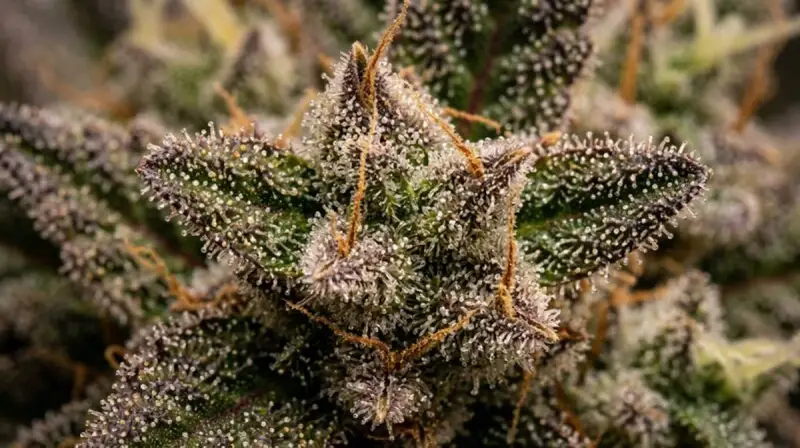
Flower (dried cannabis): The most common and typically most cost-effective format. NYC dispensaries carry indica, sativa, and hybrid flower in eighth-ounce, quarter-ounce, and full-ounce sizes, as well as pre-ground and pre-roll formats. New York State cultivators — operating across the Hudson Valley, Finger Lakes, Long Island, and upstate regions — supply the licensed market. THC percentages range from mid-teens to low-thirties across the menu spectrum. High-THC strains and craft small-batch flower are increasingly available as the New York cultivation sector matures into its licensed market phase.
Vape cartridges and disposables: Oil-based vaporizer products are among the most popular formats for NYC consumers seeking discreet on-the-go use. Distillate cartridges are most common; live resin, rosin, and full-spectrum oil cartridges are premium options at boutique shops. Always verify cartridges carry a state-issued label and lab test results — the unlicensed vape market remains significant in NYC and carries documented health risks.
Edibles: NYS-licensed edibles include gummies, chocolates, beverages, baked goods, and hard candies. Products are capped at 5mg THC per serving and 100mg per package for recreational sale. Edibles are popular among NYC visitors who cannot smoke in accommodations. Start with a single serving (5mg) and wait the full 2-hour onset window before considering redosing — edibles’ delayed absorption is the most common source of overconsumption. See our edibles dosing guide for more.
Concentrates and extracts: Wax, shatter, live resin, rosin, and other high-potency extracts are available at shops targeting experienced consumers. These range from 60–90% THC and require vaporization via dab rig or concentrate-capable device. Not recommended for new or occasional cannabis users regardless of prior recreational experience. See our concentrates explainer.
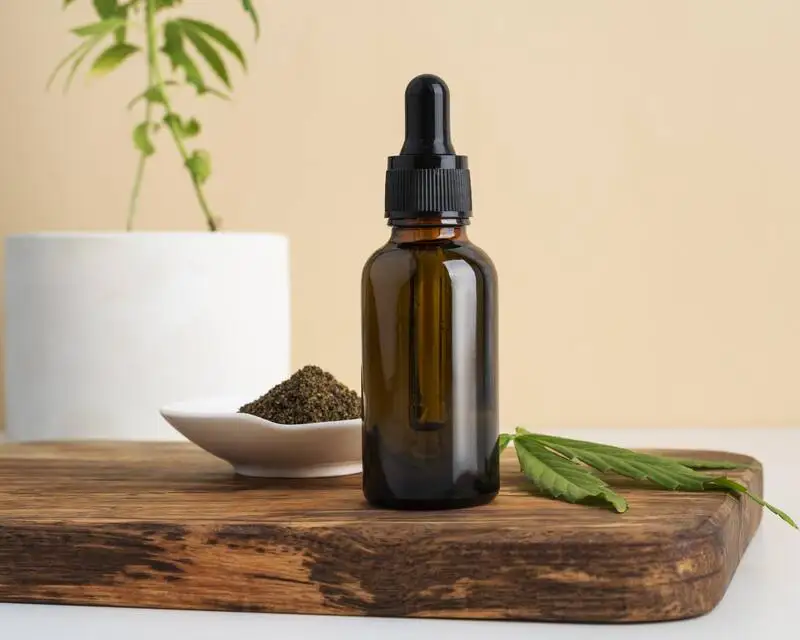
Tinctures and sublinguals: Cannabis tinctures applied under the tongue provide relatively rapid absorption and precise dosing. Popular among medical patients and consumers seeking repeatable experiences. NYS-licensed tinctures label cannabinoid content per mL for accurate dosing.
Topicals: CBD and THC-infused lotions, balms, and patches are non-intoxicating when applied topically and are not included in possession limits under most interpretations. Popular for localized pain and inflammation. See our cannabis for pain guide.
NYC Cannabis Price Guide
New York City’s cannabis prices are shaped by the relatively young licensed supply chain, high Manhattan real estate costs for dispensary operations, and a significant tax burden. Prices are expected to trend downward as more licensed cultivators and processors come online and market competition intensifies. The following reflects typical recreational retail pricing at licensed NYC dispensaries before taxes. Add approximately 20–26% for the full tax stack at checkout.
| Product | Budget Range | Mid Range | Premium Range | Notes |
|---|---|---|---|---|
| Flower (1/8 oz, 3.5g) | $30–$40 | $40–$55 | $55–$75 | NYS-grown; small-batch craft at premium tier |
| Flower (1 oz) | $140–$180 | $180–$240 | $240–$320 | Ounce pricing often includes bulk vs. 8× eighth |
| Pre-rolls (1g) | $10–$14 | $14–$18 | $18–$28 | Infused and live resin pre-rolls at premium end |
| Vape cartridge (0.5g) | $25–$35 | $35–$50 | $50–$70 | Full-spectrum and live resin at premium tier |
| Edibles (100mg package) | $18–$25 | $25–$35 | $35–$55 | Gummies most common; chocolates and beverages available |
| Concentrates (1g) | $40–$55 | $55–$75 | $75–$100+ | Live rosin commands significant premium |
| Tincture (30mL) | $30–$45 | $45–$65 | $65–$90 | CBD:THC ratio products widely available |
All prices before taxes. Budget approximately 20–26% additional at checkout. Prices vary by dispensary and change frequently — check Leafly or the shop’s own menu for current pricing.
Best Neighborhoods for NYC Dispensary Shopping
Each borough and neighborhood has a distinct dispensary character emerging from its CAURD rollout operators. Here is a practical summary by neighborhood type to help you plan your visit.
Gramercy / Flatiron (Manhattan): Most transit-connected dispensary cluster in the city. Union Square at the center provides access to essentially every subway line. Housing Works’ historic location anchors the block. Best for first-time visitors who want the most accessible and recognizable experience. High foot traffic means peak-hour waits are common — pre-order strongly recommended.
Lower East Side (Manhattan): Best for exploring multiple shops in a single trip. Dense urban retail environment with multiple licensed operators within walking distance. F/M trains or a short walk from the 4/5/6 at Astor Place. Combines well with LES bar and restaurant culture for a full evening itinerary.
Williamsburg (Brooklyn): Best for design-forward dispensary experiences with highly knowledgeable staff. L train from First Avenue in 10 minutes. Several shops stock curated small-batch cultivars from New York State craft growers not always available in Manhattan locations.
Harlem (Manhattan): Best for equity operator direct support and community-focused dispensaries. 2/3 express train from Penn Station in under 15 minutes. Several operators here have deep roots in Harlem community organizations and bring a different store character than tourist-oriented Manhattan shops.
Astoria (Queens): Best value for Queens residents and Manhattan visitors making a borough crossing. N/W train from Midtown in 20 minutes. Relatively newer additions to the licensed market with competitive pricing as they build their customer base.
Medical vs. Recreational in New York City
New York’s medical cannabis program predates the MRTA by seven years — the Compassionate Care Act established it in 2014. The program initially had significant restrictions including no smokable flower, limited qualifying conditions, and only five licensed operators statewide. The MRTA dramatically reformed the medical program: conventional flower is now permitted, any condition a licensed practitioner deems appropriate qualifies, fees are reduced, and the program is more accessible than at any prior point in its history.
For NYC residents or visitors planning extended stays, a New York medical card offers real financial advantages. Medical patients pay standard NYS sales tax (approximately 8.875% in NYC) rather than the full recreational excise tax stack, potentially saving 10–15% or more on every purchase. Patients also have priority service at dispensaries, access to higher purchase amounts per the practitioner’s certification, and access to certain formulations not available recreationally.
To obtain a New York medical cannabis certification you must be a NYS resident, see a registered practitioner who certifies your qualifying condition, register with the OCM online, and pay the $50 annual fee (waived for Medicaid recipients and veterans). The entire process can typically be completed via telemedicine in a single appointment. See our medical cannabis guide for a full walkthrough of conditions and the certification process.
Cannabis Consumption Rules in New York City
New York City’s consumption framework is more permissive for outdoor smoking than most US cities, but carries critical restrictions residents and visitors must understand before purchasing.
Where consumption IS permitted: Outdoors wherever tobacco cigarette smoking is legally allowed. This includes many sidewalks (outside smoke-free zones), outdoor areas in parks where smoking is permitted, and private residences with the property owner’s consent. OTDA-licensed consumption lounges and OCM-approved cannabis consumption sites provide legal indoor options.
Where consumption is PROHIBITED: All vehicles, whether moving or stationary. The entire MTA subway system, all bus routes, and all transit platforms and shelters. Within 100 feet of school grounds, playgrounds, and any smoke-free zone designation under the NYC Smoke-Free Air Act. All restaurants, bars, offices, shops, and enclosed public spaces. Hotels are virtually always smoke-free by property policy, making on-site hotel room smoking illegal under lease or rental terms even where city law might not explicitly prohibit it.
Practical advice for hotel guests: OTDA-licensed consumption lounges are the best indoor consumption option for visitors. Alternatively, vaporizers used in permitted outdoor locations and edibles are practical for hotel-based visitors avoiding smoking. Several NYC parks have outdoor areas where cannabis consumption is technically permitted alongside tobacco smoking — respect non-smokers and families when exercising this right.
Getting to NYC Dispensaries: Transit Guide
New York City’s 24/7 subway and bus network makes every licensed dispensary transit-accessible. Unlike cannabis markets in car-dependent metros, you do not need a vehicle to visit NYC dispensaries, and driving is often slower than taking the train.
Subway access: The MTA operates 472 stations serving Manhattan, Brooklyn, Queens, and the Bronx continuously. Most licensed Manhattan dispensaries are within a 5-minute walk of a subway entrance. The 4/5/6 covers the East Side; A/B/C/D and 1/2/3 cover the West Side and Harlem; L serves the Lower East Side and Williamsburg; N/Q/R/W covers Midtown, Union Square, and Queens.
Possession on transit: Carrying sealed cannabis purchases in your bag while riding the subway is legally permitted under the MRTA. Consuming on any MTA property — trains, platforms, stations, buses — remains illegal and subject to fines. Keep purchases in their sealed dispensary packaging while traveling.
Rideshare and taxi: Carry sealed cannabis in a bag. Do not consume in the vehicle — this violates city law and rideshare company policies. Most drivers will refuse the fare if active consumption is detected.
Walking and cycling: Lower Manhattan and Brooklyn dispensary clusters are highly walkable. Citi Bike docking stations are ubiquitous near most licensed dispensaries in these areas. The same public consumption rules apply whether you are on foot or on a bicycle.
No transit to airports: Do not take cannabis on the AirTrain, LIRR to JFK, or any transit route terminating at any airport. Federal jurisdiction begins at the terminal boundary. The consequences of detection at a TSA checkpoint — even in small amounts — are far more serious than they would be for a stop on a city street.
Frequently Asked Questions
Is recreational cannabis legal in New York City?
Yes. New York State legalized adult-use cannabis through the MRTA signed March 2021. Adults 21+ may possess up to 3 ounces of flower and 24 grams of concentrate. Licensed CAURD dispensaries have operated since late 2022 with the market expanding significantly under OCM licensing.
How much cannabis can I buy at a New York City dispensary?
Recreational adults 21+ may purchase up to 3 ounces (85g) of flower per transaction, or equivalent in concentrates (24g) or edibles. Medical patients may purchase amounts specified by their OCM-registered practitioner certification, which often exceeds recreational transaction limits.
Can tourists buy cannabis at NYC dispensaries?
Yes. Any adult 21+ with a valid government-issued photo ID including out-of-state licenses and passports can purchase at any licensed NYC dispensary. Do not consume on the MTA subway and do not attempt to take cannabis to any airport or across state lines.
Where can I legally consume cannabis in New York City?
Outdoors wherever tobacco smoking is permitted under city law. OCM-licensed OTDA consumption lounges and cannabis consumption sites provide legal indoor options. Prohibited in all vehicles, on the entire MTA transit system, within 100 feet of schools, in all smoke-free indoor spaces, and in virtually all hotel rooms by property policy.