

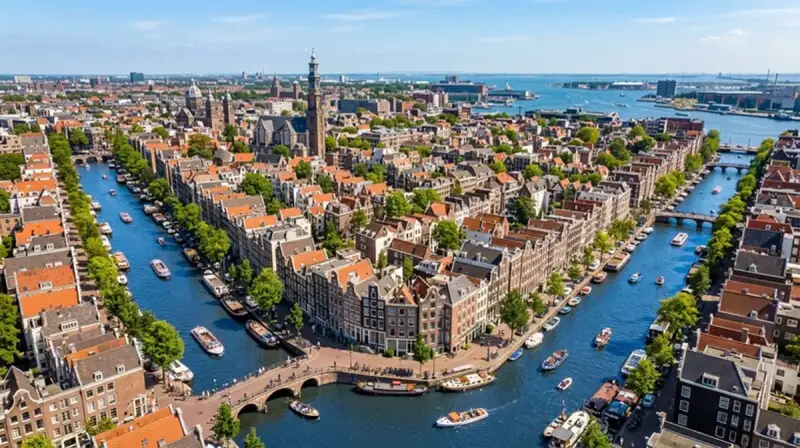
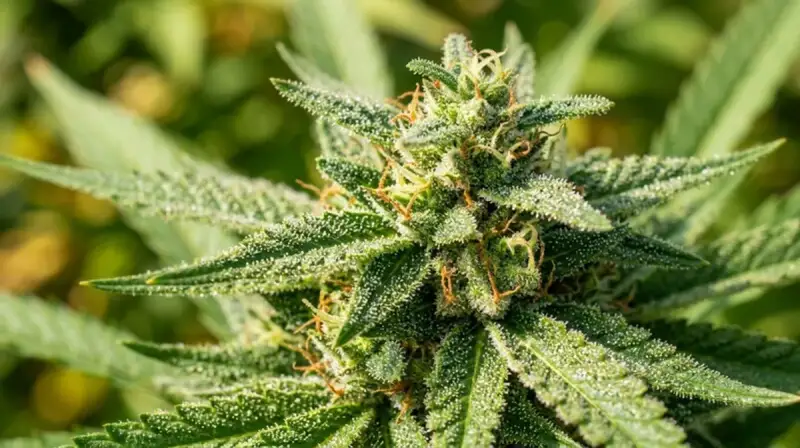
- MRTA (March 2021): The Marihuana Regulation and Taxation Act was signed by Governor Cuomo on March 31, 2021. Adults 21+ may possess cannabis legally. The Office of Cannabis Management (OCM) was created to regulate the market.
- Generous possession limits: 3 oz (85g) flower and 24g concentrate in public. At home: up to 5 lbs (2.27 kg). One of the most permissive public possession limits in the US.
- Home grow: Adults 21+ may grow up to 3 plants per person; household maximum 6 plants (3 flowering, 3 mature). Plants must not be publicly visible.
- Slow dispensary rollout: As of late 2024, approximately 100+ licensed CAURD stores were open. Thousands of unlicensed shops operate across NYC. OCM launched crackdowns on the gray market in 2023–2024.
- CAURD program: Conditional Adult-Use Retail Dispensary licenses prioritize applicants with prior cannabis convictions — a social equity measure unique to New York.
- Tax structure: 9% state excise + 4% local excise + state sales tax = significant combined burden. Medical cannabis is exempt from excise taxes.
- Largest consumer market: NYC is the nation’s largest cannabis consumer city by population and tourist volume. The legal market infrastructure has struggled to keep pace with demand.
- OCM enforcement (2023–2024): Office of Cannabis Management escalated enforcement against unlicensed gray market shops after years of limited action. Sealed storefronts became a visible enforcement signal.
Quick Legal Reference — New York
| Category | Rule / Limit |
|---|---|
| Recreational legal since | MRTA signed: March 31, 2021; home possession/gifting immediate; retail sales 2022– |
| Medical legal since | Compassionate Care Act: 2014 (smokable flower added 2021) |
| Regulatory body | Office of Cannabis Management (OCM) — cannabis.ny.gov |
| Public possession — flower | 3 oz (85 g) |
| Public possession — concentrate | 24 g |
| Home possession — flower | Up to 5 lbs (2.27 kg) |
| Home cultivation | 3 plants per adult; 6 plants per household (3 flowering, 3 mature) |
| Cultivation visibility requirement | Not visible from public; landlords may restrict via lease |
| Minimum purchase age | 21+ recreational; qualifying patient any age with certification |
| State excise tax | 9% on retail price |
| Local excise tax | 4% on retail price |
| State sales tax | Standard NYS + local sales tax applies |
| Medical cannabis | Exempt from excise taxes |
| Public consumption | Prohibited in most public spaces; same locations as tobacco smoking bans apply |
| Gifting between adults | Up to 3 oz without compensation permitted |
| Licensed retail dispensaries | ~100+ (CAURD and adult-use licenses as of late 2024) |
| Unlicensed shops (gray market) | Thousands in NYC; OCM enforcement escalating 2023–2024 |
| DUI standard | Impairment-based; no per se THC blood limit |
MRTA: New York’s Road to Legalization
New York’s path to recreational cannabis was longer than many neighboring states. After years of failed legislative attempts, the Marihuana Regulation and Taxation Act (MRTA) was signed into law by Governor Andrew Cuomo on March 31, 2021. New York joined a growing list of Northeastern states legalizing adult-use cannabis.
The MRTA created the Office of Cannabis Management (OCM) — an independent state agency — to develop regulations, issue licenses, and oversee the market. The law also established a Cannabis Control Board (CCB) as the governing body. Unlike some states that allowed existing medical operators to pivot quickly to recreational sales, New York took a deliberate, equity-focused approach to licensing.
Adults 21 and older were immediately allowed to possess cannabis and gift (but not sell) it to other adults upon MRTA passage in March 2021. However, retail dispensaries did not begin opening until late 2022, and the rollout proceeded slowly through 2023 and into 2024. The disparity between legal possession rights and limited retail access contributed directly to the explosive growth of the unlicensed “smoke shop” gray market in New York City.
Prior to the MRTA, New York had operated the Compassionate Care Act medical cannabis program since 2014, which was expanded over time and gained the right for patients to purchase smokable flower in 2021.
Possession and Home Cultivation
| Category | Recreational (21+) | Medical Patient |
|---|---|---|
| Public possession — flower | 3 oz (85 g) | Up to 3 oz with registry ID |
| Public possession — concentrate | 24 g (approximately) | Per certification |
| Home possession — flower | Up to 5 lbs (2.27 kg) | Per certification |
| Home cultivation | 3 plants per adult; 6 per household (3 flowering + 3 mature) | Same |
| Cultivation restrictions | Not visible from public; landlord may restrict via lease | Same |
| Penalty — over 3 oz (under 16 oz) in public | $125 civil penalty | N/A |
| Penalty — 16 oz+ in public | Class A misdemeanor | N/A |
| Gifting between adults | Up to 3 oz without compensation | N/A |
New York’s 3 oz public possession limit is among the most generous in the US — significantly higher than California’s 1 oz or Washington’s 1 oz. The 5 lb home possession limit is extraordinarily permissive. The 3+3 home grow rule (3 flowering plus 3 mature plants per person; 6 total per household) was phased in after passage; OCM issued cultivation rules in 2022.
Tenants should review lease agreements — landlords may explicitly prohibit cannabis cultivation in rental units under New York tenancy law.
CAURD, Dispensary Rollout and the Gray Market
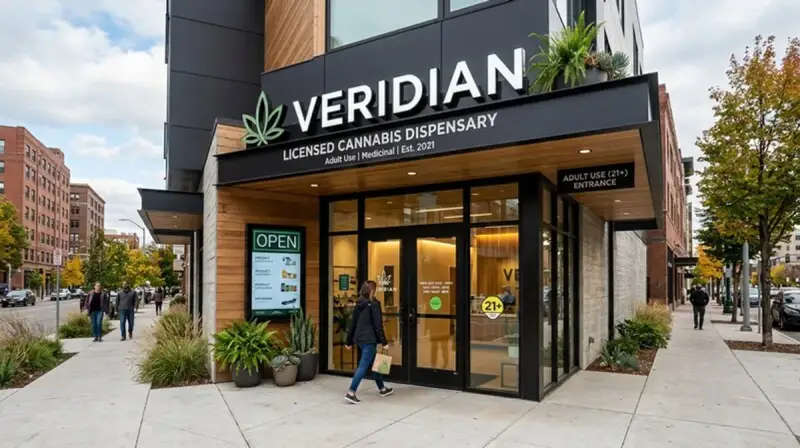
New York’s dispensary licensing has been one of the most complex and slow in the US. The OCM introduced the Conditional Adult-Use Retail Dispensary (CAURD) program as a social equity measure: it prioritized applicants who had prior cannabis-related convictions (or family members with such convictions) for the first wave of licenses — a nationally distinctive approach.
The CAURD program faced legal challenges from other license applicants arguing the prioritization was unfair. These court injunctions paused new CAURD openings for extended periods. By late 2024, approximately 100+ licensed dispensaries had opened statewide, predominantly in New York City. Named operations include Housing Works Cannabis Co., Smacked!, and Gotham.
The contrast between New York City’s legal possession rights (since March 2021) and the limited licensed retail supply created a vacuum that thousands of unlicensed smoke shops filled. These gray market operations sold untested cannabis products openly across the five boroughs. The OCM and NYPD escalated enforcement operations in 2023–2024, including physical storefront sealing, though the scale of the gray market remained large.
For consumers: always verify a dispensary’s OCM license status at cannabis.ny.gov. Licensed dispensaries sell lab-tested products compliant with OCM standards. Unlicensed shops sell unregulated products with no quality guarantees.
Cannabis Taxes in New York
| Tax Type | Rate | Notes |
|---|---|---|
| State excise tax | 9% | Applied to retail price of adult-use cannabis |
| Local excise tax | 4% | Applied to retail price; directed to local governments |
| State & local sales tax | Standard NY rates (~8–8.875% in NYC) | Applies on top of excise taxes |
| Medical cannabis | Exempt from excise taxes | Medical patients pay only standard sales tax |
| Effective combined burden (NYC) | Approximately 20–22% | Lower than California or Washington; competitive advantage for legal market |
New York’s cannabis tax structure is relatively moderate compared to California (30–45%) and Washington (37%). The lower effective tax rate was a deliberate policy choice to help the legal market compete with the illicit and gray markets. Cannabis excise tax revenue is directed to community reinvestment programs, drug treatment, public education, and the OCM operational budget.
Social Equity: CAURD and Community Reinvestment
New York’s MRTA placed social equity at the center of its cannabis policy framework. The law required that 50% of all cannabis licenses go to “equity applicants” — defined as individuals from communities disproportionately impacted by drug enforcement, including those with prior cannabis convictions.
The CAURD program was the first implementation: priority retail licenses for individuals with prior cannabis convictions. The Community Reinvestment Fund directs 40% of cannabis tax revenue to programs in communities with the highest rates of cannabis law enforcement historically.
New York also enacted some of the most comprehensive cannabis conviction expungement provisions in the US. The MRTA directed automatic expungement of prior cannabis convictions for offenses that are no longer criminal under the new law. This process has been managed by the state’s courts and the Division of Criminal Justice Services.
DUI, Penalties and Public Consumption
New York does not have a statutory per se blood THC limit for cannabis DUI. Impaired driving is prosecuted under the Vehicle and Traffic Law §1192 using an impairment-based standard. Law enforcement uses Drug Recognition Experts (DREs), field sobriety tests, and may request blood tests.
Public consumption: Cannabis may not be consumed in any location where tobacco smoking is prohibited under New York’s Clean Indoor Air Act or its successors. This includes workplaces, restaurants, bars, and most indoor public spaces. Outdoor public consumption (e.g., sidewalks, parks) follows the same restrictions as tobacco — generally prohibited in densely populated areas. The $50–$250 fine structure applies to public consumption violations.
| Offense | Penalty |
|---|---|
| Possession over 3 oz, under 16 oz (public) | $125 civil penalty |
| Possession 16 oz+ (public) | Class A misdemeanor: up to 1 year jail, $1,000 fine |
| Public consumption in restricted area | $50–$250 civil fine |
| Sale/distribution without license | Felony; penalties vary by quantity and prior record |
| DUI cannabis — first offense | Up to 1 year jail, $500–$1,000 fine, license revocation (same as alcohol DUI) |
| Unlicensed cultivation (commercial scale) | Felony |
New York Cannabis for Tourists
| Topic | What Visitors Need to Know |
|---|---|
| Purchasing | Valid ID showing 21+; no NY ID required; verify OCM license before purchase |
| NYC dispensaries | ~100+ licensed stores in NYC as of late 2024; Housing Works, Smacked!, Gotham are established operators |
| Unlicensed shops | Thousands of gray market smoke shops in NYC; avoid; unregulated products, no lab testing |
| Hotels | Most prohibit smoking; consumption of vaporizers/edibles in private rooms at guest’s own risk; always confirm |
| Public parks & streets | Cannabis consumption restricted similarly to tobacco; Central Park and most outdoor public spaces prohibit smoking |
| JFK / LGA / EWR airports | Federal property; cannabis strictly prohibited regardless of NY state law |
| Amtrak / intercity rail | Federal jurisdiction; cannabis prohibited |
| Interstate transport | Federal offense; do not transport cannabis from NY to NJ, CT, or any other state |
Watch: Cannabis Laws Overview
Related State Guides
- California Cannabis Laws →
- Colorado Cannabis Laws →
- Nevada Cannabis Laws →
- Massachusetts Cannabis Laws →
- Florida Cannabis Laws →
- Washington Cannabis Laws →
View All 50 US State Cannabis Laws → | Legalization by State Overview →
How Long Does Weed Stay in Your System? → | Cannabis Effects Guide →