






- Serotonergic uplift (Haj-Dahmane & Shen 2005): Low-dose THC increases serotonin (5-HT) via CB1 activation in the dorsal raphe nucleus — the brain’s primary serotonin production center — producing the positive mood and social energy that characterizes uplifting cannabis experiences.
- Dopaminergic disinhibition (Gardner 2005): Low-dose THC activates CB1 receptors on GABA interneurons in the ventral tegmental area (VTA), disinhibiting dopamine neurons and producing a dopamine burst in the nucleus accumbens — the same mechanism that drives motivation, goal-directed behavior, and energized engagement with tasks.
- Alpha-pinene and acetylcholine: Alpha-pinene inhibits acetylcholinesterase, the enzyme that degrades acetylcholine, maintaining higher brain acetylcholine levels that support sustained attention, working memory, and cognitive focus — partially counteracting THC’s memory-impairing effects.
- Terpinolene’s unique profile: Terpinolene is the defining terpene of the most reliably energizing strains (Jack Herer, Durban Poison); preclinical evidence suggests it reduces dopamine catabolism in the prefrontal cortex, sustaining the motivational state rather than causing the rapid dopamine depletion of stimulant drugs.
- Indica/sativa myth (Piomelli & Russo 2016): The subspecies designation is not a reliable predictor of effects; terpene and cannabinoid profile — specifically myrcene content — predicts sedating vs energizing effects more accurately than botanical classification.
- Dose-critical: Low THC (5–10 mg) is reliably energizing; moderate (15–20 mg) produces a plateau or mixed response; high (25 mg+) is sedating or anxiogenic in most users regardless of strain choice.
- CBD in combination: CBD in combination with low-dose THC moderates THC-induced sedation and anxiety, widening the therapeutic energy window; CBD-dominant strains produce gentle, anxiety-free wakefulness through adenosine and serotonin modulation alone.
The Neurochemistry of Cannabis-Induced Energy
The energizing response to cannabis involves three interacting neurochemical systems: the serotonergic (raphe nucleus to limbic system), dopaminergic (VTA to nucleus accumbens), and cholinergic (basal forebrain to cortex) pathways. The critical principle is that all three of these effects are dose-dependent and produce energy only at low to moderate doses — the same pathways produce sedation or anxiety at high doses through CB1 receptor desensitization and prefrontal cortex impairment.
Serotonergic Pathway: Raphe Nucleus CB1
The dorsal raphe nucleus is the brainstem’s primary serotonin production hub, projecting serotonergic fibers throughout the limbic system, prefrontal cortex, and striatum. CB1 receptors are expressed on GABAergic interneurons in the raphe nucleus, and low-dose THC activation of these receptors disinhibits serotonin neurons, increasing 5-HT release in projection areas. Haj-Dahmane and Shen (2005) characterized this mechanism in detail, demonstrating dose-dependent serotonin elevation with low THC doses and a reversal at higher doses.
The serotonergic component of the cannabis energy response produces the characteristic emotional warmth, social openness, and optimistic quality that distinguishes cannabis-induced energy from caffeine-induced energy. Where caffeine primarily activates adrenergic pathways, producing a sharper, sometimes anxious alertness, cannabis at low doses adds a serotonergic social and emotional uplift that makes the energy state feel pleasant rather than edgy.
Dopaminergic Pathway: VTA Disinhibition
The ventral tegmental area (VTA) is the origin of the mesolimbic dopamine pathway — the brain’s primary motivation and reward circuit. VTA dopamine neurons are tonically inhibited by local GABAergic interneurons. CB1 receptors are expressed on these inhibitory interneurons, and THC activation at low doses suppresses their inhibitory output, releasing dopamine neurons from tonic inhibition and producing a burst of dopamine release in the nucleus accumbens.
Gardner (2005) characterized the THC-VTA-dopamine disinhibition mechanism, noting that it follows a strict dose dependency: at low doses, the dopamine burst produces motivation and energized reward-seeking; at higher doses, the prolonged CB1 activation produces dopamine system dysregulation, reduced dopamine release, and the motivational flatness that can accompany cannabis intoxication at higher doses.
This dopamine burst mechanism is why cannabis can produce a state of motivated, engaged, goal-directed energy at low doses — the mesolimbic dopamine system normally drives exactly these behaviors, and cannabis pharmacologically amplifies its activity at low doses.
Cholinergic Pathway: Alpha-Pinene and Acetylcholine
Alpha-pinene, a terpene present at significant concentrations in Jack Herer, Durban Poison, and other energizing strains, produces a unique cognitive-enhancing component through acetylcholinesterase (AChE) inhibition. AChE is the enzyme that degrades acetylcholine in the synaptic cleft; by inhibiting it, alpha-pinene maintains higher acetylcholine levels in cortical and hippocampal circuits that govern focused attention, working memory, and executive function.
This mechanism has a critically important interaction with THC’s memory-impairing effects: THC reduces working memory in part by disrupting hippocampal acetylcholine signaling, and alpha-pinene’s AChE inhibition partially counteracts this. This is why pinene-rich strains (Jack Herer, Durban Poison) produce a qualitatively different energetic high than pinene-poor high-THC strains — the cognitive impairment is reduced, and the focused, alert quality of the energy is maintained longer into the session.
Terpene Science: The Energizing Terpenes in Detail
| Terpene | Primary Mechanism | Energy Quality | Highest in These Strains |
|---|---|---|---|
| Terpinolene | Dopamine catabolism reduction in PFC; serotonin modulation; uplifting CNS activity | Inspired, creative, slightly psychedelic mental energy | Jack Herer, Durban Poison, Super Lemon Haze, Golden Goat |
| Alpha-Pinene | AChE inhibition; acetylcholine preservation; anti-amnesiac; anti-inflammatory | Focused, sharp, clear-headed cognitive energy; counteracts THC memory impairment | Jack Herer, Durban Poison, Blue Dream (secondary) |
| limonene | 5-HT1A agonism; dopamine elevation in limbic system; anxiolytic secondary effect | Socially warm, mood-elevated, optimistic energy; anxiety-buffering | Lemon Haze, Tangie, Super Lemon Haze, Bruce Banner |
| Ocimene | Poorly characterized centrally; uplifting sensory quality; mild stimulant properties in aromatherapy research | Light, fresh, cerebral uplift; contributes to early-onset energetic quality | Golden Goat, Strawberry Cough, Clementine |
Why Myrcene Determines Sedation vs Energy
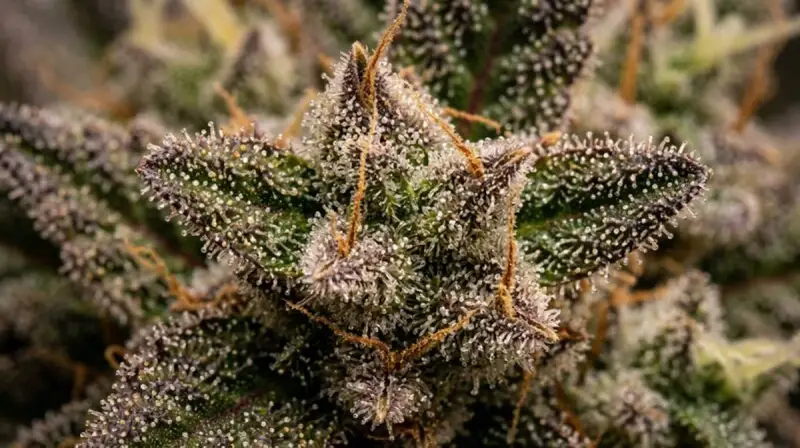
Myrcene is the single most predictive terpene for whether a cannabis strain will energize or sedate. Strains with myrcene concentrations above approximately 0.5% consistently produce more body-heavy, sedating effects; strains with myrcene below 0.3% are far more likely to produce energetic effects. This threshold relationship helps explain why the indica/sativa label fails as a predictor — many commercially labeled sativas have been bred with high-myrcene genetics and will sedate regardless of their marketing description.
Myrcene’s sedating mechanism is multifactorial: it potentiates GABA-A receptor activity (similar to alcohol and benzodiazepines), facilitates THC entry into the CNS through enhanced blood-brain barrier permeability (potentially increasing effective THC concentration), and directly activates opioid receptors that contribute to body relaxation and sedation. When choosing a strain for daytime energy, a terpene certificate of analysis showing low myrcene (<0.3%) is the most reliable single predictor of an energizing experience.
The Indica vs Sativa Myth: Piomelli and Russo (2016)
Piomelli and Russo (2016) published a landmark editorial arguing that the indica/sativa classification has become scientifically meaningless for predicting cannabis effects. Decades of cross-breeding have blurred any consistent chemical differentiation between the two botanical subspecies, and modern cannabis markets routinely mislabel products. The chemotype — the terpene and cannabinoid profile as measured by laboratory analysis — is the only reliable predictor of effects.
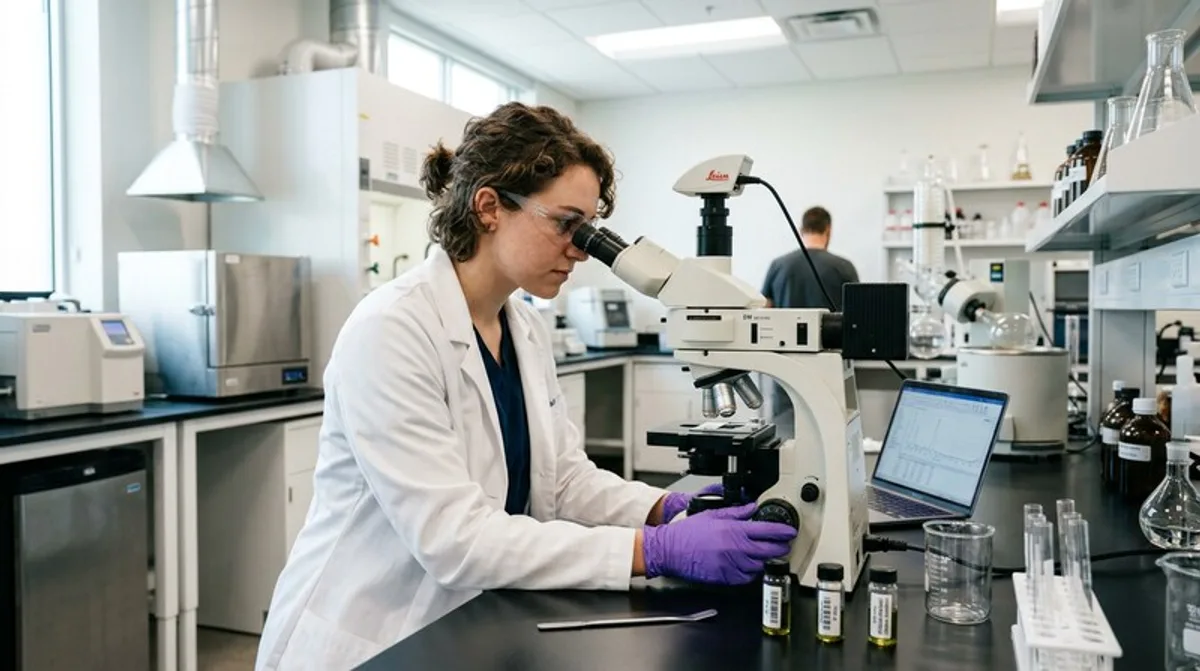
For practical purposes: when seeking an energetic effect, request lab-tested cannabis with a terpene profile showing high terpinolene and/or alpha-pinene, low myrcene (<0.3%), and moderate THC content (15–20% for most users). Do not rely on the sativa label. A high-myrcene “sativa” will sedate more than a low-myrcene “indica.”
Dose-Response: The Energizing Window
| Dose (THC) | Effect | Serotonin/Dopamine Activity | Suitable For |
|---|---|---|---|
| 1–2.5 mg (microdose) | Subtle lift; increased motivation; no significant impairment | Mild serotonin + mild dopamine; well below impairment threshold | Professional daytime use; first-time energy seekers |
| 5–10 mg (low dose) | Clear energetic high; motivation; creative focus; mild euphoria | Full serotonin + dopamine engagement; below sedation threshold for most | Daytime creative work; physical activity; social situations |
| 15–20 mg (moderate) | Plateau; mixed energy/relaxation; beginning of cognitive impairment | Receptor saturation beginning; dopamine regulation; variable response | Experienced users only; evening transition acceptable |
| 25 mg+ (high) | Sedation, cognitive impairment, or anxiety — energy reversed | CB1 downregulation; dopamine dysregulation; adrenergic overstimulation | Not suited for energy purposes |
Best Energetic Strains
| Strain | Type | THC % | Key Terpenes | Energy Score | Best Use |
|---|---|---|---|---|---|
| Durban Poison | Pure Sativa | 18–26% | Terpinolene, Ocimene, Alpha-Pinene | 9.5 / 10 | Focused morning energy; creative work; high THCV |
| Jack Herer | Sativa-dominant | 18–23% | Terpinolene, Alpha-Pinene, Limonene | 9.2 / 10 | Creative clarity; outdoor activities; consistent uplifting |
| Green Crack | Sativa-dominant | 18–25% | caryophyllene, Ocimene, Myrcene (low) | 9.0 / 10 | Fast productive focus; intense daytime energy |
| Sour Diesel | Sativa | 18–25% | Caryophyllene, Limonene, Myrcene (low) | 8.8 / 10 | Energetic and social; reliable daytime strains |
| Super Lemon Haze | Sativa-dominant | 18–22% | Terpinolene, Ocimene, Caryophyllene | 8.5 / 10 | Award-winning uplift; low anxiety risk |
| Cinex | Sativa-Hybrid | 18–22% | Terpinolene, Pinene, Caryophyllene | 8.3 / 10 | Creative, focused daytime; strong pinene content |
Microdosing for Sustained Daytime Energy
Microdosing — using 1–2.5 mg THC, repeated at 4–6 hour intervals if needed — is the most pharmacologically rational approach to using cannabis for sustained daytime energy. At these doses, serotonin and dopamine effects are present but sub-intoxicating. Working memory, executive function, and motor coordination are not significantly impaired. The energizing effect is subtle but consistent, and tolerance develops more slowly than at full recreational doses.
Vaporization is the best delivery method for microdosing: a single 2-second draw from a dry herb vaporizer at 170–185°C delivers approximately 2–5 mg THC depending on flower potency, providing the precision needed for reliable microdosing. Oral preparations at this dose range are difficult to standardize due to variable absorption.
Cannabis and Fatigue: Clinical Evidence
Wilsey et al. (2013) examined cannabis in MS-related fatigue and noted improvements in both pain and fatigue measures, suggesting a dual benefit beyond simple energizing effects. Patient surveys in chronic fatigue syndrome show that a significant minority of patients use cannabis for fatigue management, with mixed results — dose and strain selection appear critical. Cannabis is not approved for any fatigue indication, but the mechanistic basis for fatigue relief via dopaminergic and serotonergic pathways is sound at low doses.
When cannabis makes you tired despite seeking energy: wrong strain choice (high myrcene), too high a dose, using oral instead of inhaled, or wrong timing relative to your natural circadian rhythm (cannabis amplifies rather than overrides biological sleepiness at high doses). The solution is almost always dose reduction rather than strain switching as the first intervention.
Anxiety Risk Management
The same dopaminergic and serotonergic stimulation that produces energy can tip into anxious overstimulation at high doses. Risk factors include: high-THC concentrates (>30% THC), caffeine co-administration (potentiates heart rate elevation and can trigger panic), cannabis-naive users, and baseline anxiety disorders. Mitigation strategies: choose strains with CBD or limonene content for anxiety buffering; use vaporization at lower temperatures for controlled dose titration; avoid caffeine on days of intended cannabis use; start every new strain at the lowest possible dose.
Side Effects and Contraindications
Common side effects at energetic doses: mild tachycardia (typically self-limiting), dry mouth, mild paranoia (dose-related), impaired driving (do not drive). Contraindications for energetic cannabis use: active anxiety or panic disorder (energizing strains worsen anxiety), bipolar disorder (stimulant-like effects may trigger manic episodes), and cardiovascular conditions with contraindicated tachycardia. Always consult a healthcare provider before using cannabis medicinally. Review state regulations at our state guide.