










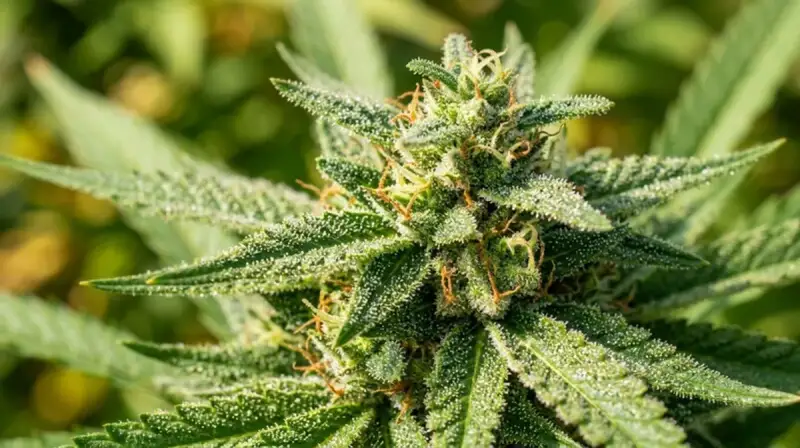
- As of mid-2026, 24 states plus Washington DC have legalized adult-use recreational cannabis for adults 21 and older.
- 38 states plus DC have some form of legal cannabis program (recreational or medical); 12 states still prohibit cannabis entirely.
- Cannabis remains a federal Schedule I controlled substance, meaning federal law prohibits it in all 50 states regardless of state legalization.
- Legal state does not mean legal everywhere within that state—cities and counties can impose stricter local rules, and federal property (national parks, military bases, airports) is governed by federal law.
- The Northeast is now almost entirely legal for recreational use; the South and Midwest remain largely prohibited or medical-only.
- Even in fully legal states, activities such as purchasing firearms, receiving federal benefits, and passing employer drug tests remain affected by cannabis use.
Recreational (Adult-Use) Legal States
The following states and jurisdictions have legalized adult-use recreational cannabis for adults 21 and older. Purchase is permitted at licensed dispensaries without a medical recommendation.
| State / Jurisdiction | Year Legalized (Ballot/Legislature) | Retail Sales Began |
|---|---|---|
| Colorado | 2012 (Amendment 64) | 2014 |
| Washington State | 2012 (Initiative 502) | 2014 |
| Alaska | 2014 (Measure 2) | 2016 |
| Oregon | 2014 (Measure 91) | 2015 |
| Washington DC | 2014 (Initiative 71) | Gifting only (federal conflict) |
| California | 2016 (Proposition 64) | 2018 |
| Maine | 2016 (Question 1) | 2020 |
| Massachusetts | 2016 (Question 4) | 2018 |
| Nevada | 2016 (Question 2) | 2017 |
| Michigan | 2018 (Proposal 1) | 2019 |
| Vermont | 2018 (H.511 legislature) | 2022 |
| Illinois | 2019 (HB 1438 legislature) | 2020 |
| Arizona | 2020 (Proposition 207) | 2021 |
| Montana | 2020 (Initiative 190) | 2022 |
| New Jersey | 2020 (Public Question 1) | 2022 |
| New Mexico | 2021 (HB 2 legislature) | 2021 |
| New York | 2021 (MRTA legislature) | 2023 |
| Virginia | 2021 (HB 2312 legislature) | 2024 |
| Connecticut | 2021 (SB 1201 legislature) | 2023 |
| Rhode Island | 2022 (HB 7593 legislature) | 2022 |
| Maryland | 2022 (Question 4) | 2023 |
| Missouri | 2022 (Amendment 3) | 2023 |
| Delaware | 2023 (HB 1 legislature) | 2024 |
| Minnesota | 2023 (HF 100 legislature) | 2025 |
| Ohio | 2023 (Issue 2) | 2024 |
Medical-Only States
These states have active medical cannabis programs but have not legalized recreational adult-use cannabis. Patients must obtain a physician recommendation and register with the state program to purchase cannabis legally.
| State | Medical Program Year | Notes |
|---|---|---|
| Alabama | 2021 | Limited medical; dispensary rollout slow |
| Arkansas | 2016 | Active dispensary network |
| Florida | 2016 | Large medical market; recreational ballot measure contested |
| Georgia | 2015 (CBD oil only) | Very limited; low-THC oil only |
| Hawaii | 2000 | Active program; retail dispensaries since 2016 |
| Iowa | 2014 (CBD oil only) | Limited medical cannabidiol program |
| Kentucky | 2023 | New program; dispensaries opening |
| Louisiana | 2015 | Active; smokable flower added 2021 |
| Mississippi | 2022 | Active dispensary program |
| North Dakota | 2016 | Active medical dispensary program |
| Pennsylvania | 2016 | Large active medical market; recreational legislation active |
| South Dakota | 2020 (Amendment A partially struck; Measure 26 medical passed) | Medical only; recreational measure failed |
| Utah | 2018 | Active; conservative regulation framework |
| West Virginia | 2017 | Active program; limited dispensaries |
Fully Prohibited States
The following states maintain full prohibition of cannabis for any purpose (or have only a very limited low-THC hemp CBD program with no active medical dispensary system): Idaho, Indiana, Kansas, Nebraska, North Carolina, South Carolina, Tennessee, Texas, Wisconsin, and Wyoming. These states have no medical cannabis dispensary program and any possession of cannabis flower is a criminal offense.
Note that some of these states (such as Texas) have very limited compassionate use programs for specific conditions with near-zero THC products, but these do not constitute functioning medical cannabis programs with patient access comparable to other states.
The Timeline of Legalization
The legalization map has shifted dramatically since Colorado and Washington made history in November 2012 as the first two states to legalize recreational cannabis via voter ballot. The following years saw steady expansion:
2012–2016 (West Coast wave): Colorado, Washington, Alaska, Oregon, California, Nevada, and Maine all legalized in this period, establishing the Western US as the early hub of legal cannabis markets. Washington DC also passed Initiative 71 but remained in a gray zone due to congressional opposition to establishing retail sales.
2018–2020 (Midwest and East): Michigan became the first Midwest state to legalize recreationally. Vermont became the first state to legalize through its legislature (not a ballot measure). Massachusetts and Illinois followed, opening large East Coast and Midwest markets.
2020–2022 (Northeast consolidation): New Jersey, New York, Connecticut, Rhode Island, Virginia, and Maryland all passed legalization, effectively making the entire Northeast legal for recreational use. This represented a significant shift from the early years when East Coast states were slower to act.
2022–2024 (Midwest expansion): Missouri, Minnesota, Delaware, and Ohio brought legal cannabis further into the Midwest. The geographic center of prohibition shifted further south and east.
Geographic Patterns
The legalization map reveals clear geographic patterns. The West Coast (California, Oregon, Washington, Nevada) legalized early and has the most mature markets. The Northeast is now almost entirely legal for recreational use. The Rocky Mountain and Mountain West states are largely legal. The Midwest is increasingly legal, led by Illinois, Michigan, Minnesota, and Missouri.
The South remains the most resistant region. No Southern state has passed full recreational legalization as of mid-2026. Several Southern states have active medical programs (Florida, Louisiana, Arkansas, Mississippi), but cultural and political opposition to recreational legalization remains stronger in the South than any other region. Texas, the second-largest state by population, maintains full prohibition with only a very limited compassionate use program.
Where Federal Law Still Applies in Legal States
Even in fully legal states, there are significant areas where federal law governs and cannabis possession remains illegal:
National parks and federal recreation areas: All land under National Park Service, Bureau of Land Management, or US Forest Service jurisdiction is federal land. Cannabis possession is illegal on all federal land regardless of surrounding state law.
Federal buildings and courthouses: Any federal building, including post offices, federal courthouses, and IRS offices, is governed by federal law. Cannabis possession on federal property is a federal offense.
Airports and aviation: Airports are heavily regulated federal environments. TSA is a federal agency. While TSA has stated it does not specifically search for cannabis and refers marijuana-related findings to law enforcement (which follows local law), transporting cannabis through federal airspace is technically a federal offense. Interstate transport of cannabis—carrying cannabis across state lines—is also federally illegal regardless of state laws on both ends.
Military installations: All US military bases and installations are governed by the Uniform Code of Military Justice. Cannabis use is prohibited for all military personnel regardless of state law.
Tribal land: Native American tribal jurisdictions have varying relationships with cannabis law. Federally recognized tribes can choose to allow cannabis under their own tribal laws, but federal funding agreements may create complications. Tribal cannabis law varies significantly by tribe and is not automatically determined by surrounding state law.
What Legalization Does NOT Mean
Employer drug testing: State legalization does not prohibit private employers from testing for cannabis or terminating employees who test positive. Most states with recreational cannabis have not passed comprehensive employee protections for off-duty cannabis use. Some states (New York, New Jersey, others) have enacted limited protections for off-duty recreational use, but policies vary widely by employer and industry.
Federal firearms purchases: Federal law prohibits cannabis users from purchasing or possessing firearms. ATF Form 4473, required for all licensed dealer firearms purchases, asks whether the buyer is an unlawful user of controlled substances. Cannabis remains a federal Schedule I controlled substance, so answering truthfully as a cannabis user creates a legal conflict with federal firearms law.
Federal student aid and housing: Federal student loan programs and federally subsidized housing programs are governed by federal law. Cannabis-related drug convictions can still affect eligibility for federal programs even in legal states. Federally subsidized housing prohibits cannabis regardless of state law.
Professional licenses: Some state professional licensing boards (medical, legal, teaching, nursing, etc.) maintain their own conduct standards regarding substance use. Legal recreational use may still affect certain professional license applications or renewals depending on the profession and state.
Upcoming Legalization: States to Watch
Several states have active ballot measures or legislative efforts that could add to the legal map in coming election cycles. Florida had a recreational legalization amendment on the ballot but it faced legal challenges. Pennsylvania has active bipartisan legislative efforts in the state legislature. North Carolina has seen increasing legislative momentum. Hawaii’s legislature has passed legalization bills that faced executive opposition but the conversation continues.
Public polling on cannabis legalization in most of the remaining prohibited states now shows majority support, suggesting that the political will is ahead of the legislative reality in many of these states. The trend line since 2012 has been consistent: more states legalize each election cycle, the geographic center of prohibition shrinks toward the South and a handful of Central Plains states, and federal rescheduling or descheduling remains a longer-term possibility.
Frequently Asked Questions
How many US states have legal cannabis?
As of mid-2026, 24 states plus Washington DC have legalized adult-use recreational cannabis. An additional 14 states have medical-only programs, bringing the total with some form of legal cannabis to 38 states plus DC. 12 states still fully prohibit cannabis for any use.
Which states are most likely to legalize cannabis next?
States with active legalization efforts as of mid-2026 include Pennsylvania (active legislature), Florida (contested ballot measure), Hawaii (repeated legislative attempts), and several Southern states where polling shows majority support but legislative action has been blocked. The trend has been consistent: 1–4 additional states legalize each election cycle.
Is cannabis legal in my state?
Legal status varies significantly. 24 states plus DC permit recreational adult-use cannabis. 14 more have medical-only programs. 12 states maintain full prohibition. Even in legal states, cities can have stricter rules and federal land remains under federal law. Check your state’s cannabis control agency website for current, specific rules in your jurisdiction.
What is the difference between medical and recreational cannabis?
Recreational (adult-use) programs allow any adult 21+ to purchase cannabis without a medical diagnosis. Medical programs require a physician recommendation and state registration; they typically offer higher possession limits, potential tax exemptions, and sometimes access to higher-potency products. Recreational programs have broader access; medical programs serve patients with higher needs and more specific therapeutic goals.