Senior Cannabis Editor at ZenWeedGuide. Specialist in cannabis pharmacology, the endocannabinoid system, and evidence-based effect guides.
Last reviewed: May 2026
Key Findings
The entourage effect was first described by Mechoulam and Ben-Shabat (1998) in the endocannabinoid system and extended to phytocannabinoid-terpenoid interactions by Russo (2011).
Full-spectrum CBD extract showed a non-bell-shaped dose-response (maintained efficacy at higher doses) vs. CBD isolate in a 2015 mouse inflammation study — the strongest controlled comparison to date.
Beta-caryophyllene is the only known terpene that directly binds to a cannabinoid receptor (CB2), making it unique in the entourage framework.
The THC+CBD pairing has the strongest clinical evidence, formalized in the approved pharmaceutical Sativex (nabiximols).
Multi-target pharmacology — the theoretical basis for the entourage effect — is increasingly accepted in mainstream medicine as superior for complex conditions compared to single-target drugs.
Origins of the Entourage Effect Concept
The term "entourage effect" was introduced into cannabis pharmacology by Raphael Mechoulam — the Israeli chemist who first isolated and synthesized THC in 1964 — and colleague Shimon Ben-Shabat in a 1998 paper published in the European Journal of Pharmacology. The original paper described how endogenous fatty acid molecules present alongside the active endocannabinoid 2-arachidonoylglycerol (2-AG) significantly enhanced its binding activity at CB1 and CB2 receptors, even though these accompanying molecules had no intrinsic activity of their own. The metaphor of an entourage — a supporting cast that enhances the performance of the star — captured the concept precisely.
Mechoulam and Ben-Shabat’s observation in the endocannabinoid system raised an immediate question: do similar synergistic relationships exist among the hundreds of compounds present in the cannabis plant itself? The answer, developed systematically by clinical researcher Ethan Russo over the following decade, is: yes, and with pharmacological specificity.
Russo’s Landmark 2011 Review: The Evidence Base
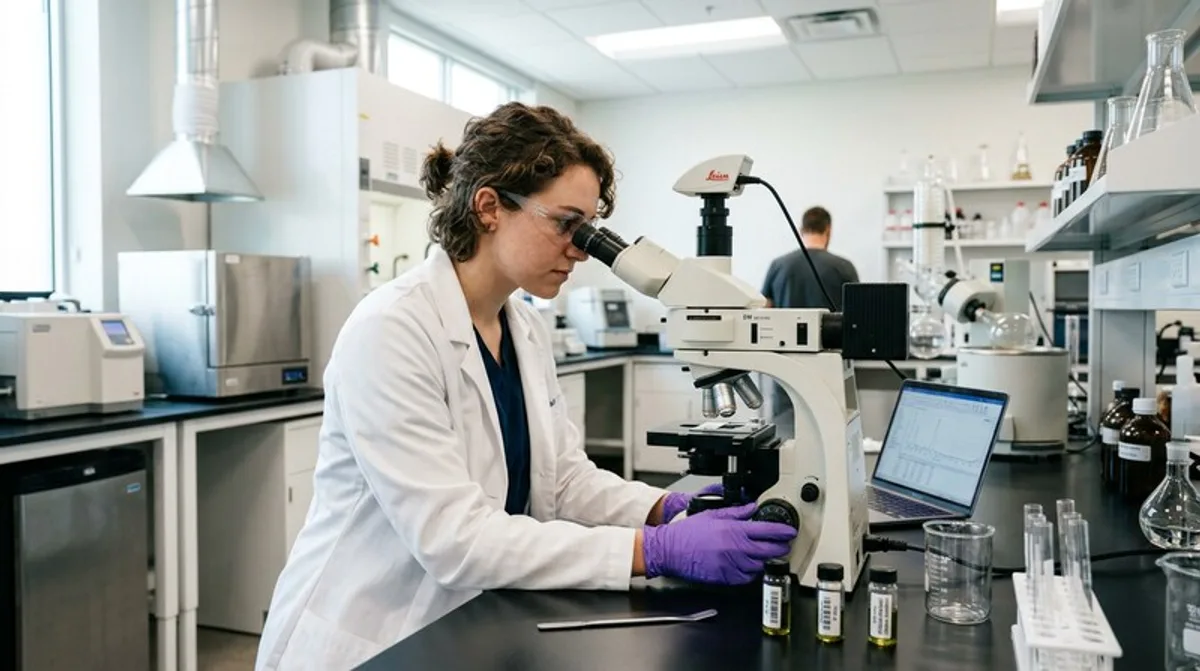
Ethan Russo’s 2011 paper "Taming THC: potential cannabis synergy and phytocannabinoid-terpenoid interactions" in the British Journal of Pharmacology is the most cited scientific text on the entourage effect. Running to 18 pages with 216 references, the review systematically analyzed the pharmacology of cannabis terpenoids — monoterpenes, sesquiterpenes, and diterpenes — and their documented interactions with cannabinoid system targets.
Russo’s key contributions were demonstrating: (1) that many cannabis terpenes have pharmacological activity relevant to the therapeutic targets of cannabinoids — anxiolytic, anti-inflammatory, analgesic, antidepressant, and neuroprotective activity; (2) that specific terpenes interact with cannabinoid receptors and cannabinoid-proximate signaling pathways in ways that modify the cannabinoid response; and (3) that these interactions have clinical relevance — different cannabis varieties with identical THC content but different terpene profiles produce measurably different clinical effects.
The paper specifically challenged the pharmaceutical industry assumption that isolating and purifying single cannabinoids would produce superior medicines. Russo argued, with supporting evidence, that whole-plant preparations or carefully formulated multi-compound combinations would outperform single-molecule approaches for complex conditions.
Full-Spectrum vs. Broad-Spectrum vs. Isolate: Practical Differences
The entourage effect has direct implications for how cannabis products are manufactured and selected. The spectrum of processing approaches creates meaningfully different product profiles:
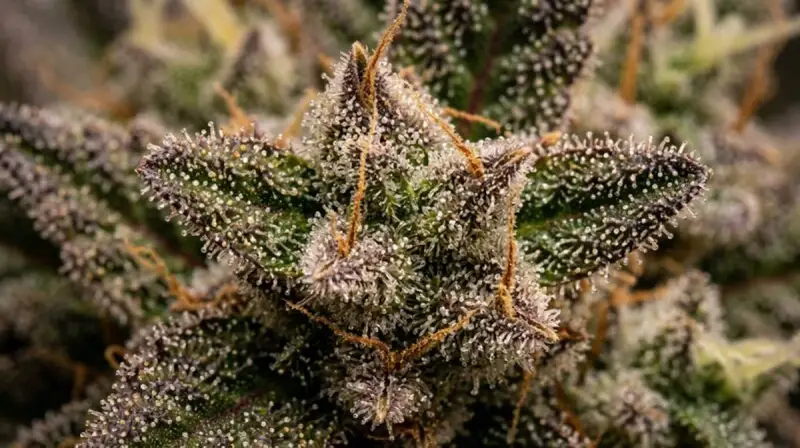
Full-spectrum extracts preserve all cannabinoids in the source plant — including trace amounts of THC (up to 0.3% in hemp-derived products under the Farm Bill definition), CBD, CBG, CBGA, CBN, CBC, THCV, and the full terpene complement. This approach maximizes the theoretical entourage benefit and was validated in the 2015 Gallily et al. mouse inflammation study, which showed full-spectrum CBD extract produced a non-bell-shaped dose-response — maintaining and increasing anti-inflammatory efficacy at higher doses — while CBD isolate showed a classic bell-shaped curve with declining efficacy above a threshold dose.
Broad-spectrum extracts use post-extraction processing — typically short-path distillation or chromatographic THC removal — to eliminate THC while preserving other cannabinoids and terpenes. This is a compromise product for populations who need guaranteed THC-free formulations while retaining multi-compound synergy. Whether broad-spectrum meaningfully captures entourage benefits compared to full-spectrum is not yet clearly established.
CBD isolate and THC isolate represent single-compound precision pharmacology. CBD isolate at 99%+ purity has a clearly characterized pharmacological profile, enables very precise dosing, and carries no drug-test risk from THC. Its limitations — bell-shaped dose-response, lack of terpene modulation, absence of minor cannabinoid contributions — are exactly what the entourage effect addresses.
The Clinical Validation: Sativex and Epidiolex
Two FDA-adjacent pharmaceutical products provide human clinical evidence relevant to the full-spectrum vs. isolate debate. Sativex (nabiximols) — approved in the UK, Canada, and numerous European countries for multiple sclerosis spasticity — is a whole-plant CO2 extract standardized to approximately 1:1 THC:CBD ratio, containing the full complement of minor cannabinoids and terpenes. Its development by GW Pharmaceuticals specifically rejected isolated THC or CBD, instead using the whole-plant extract on the pharmacological rationale that the full profile was superior to either compound alone. Clinical trials supported this: Sativex showed efficacy in MS spasticity that isolated THC at equivalent doses did not achieve.
Epidiolex — the first FDA-approved plant-derived cannabinoid medicine, approved for Lennox-Gastaut syndrome and Dravet syndrome — is a purified CBD product (>98% CBD). Its FDA approval demonstrates that isolated cannabinoids can achieve regulatory-grade efficacy. However, clinical and observational data from epilepsy patients switching between Epidiolex and whole-plant CBD preparations have produced mixed results — some patients respond better to the isolate formulation, others to whole-plant preparations, supporting the view that individual variation in entourage response is substantial.
Why Whole-Plant Medicine Matters: Multi-Target Pharmacology
The scientific rationale for the entourage effect extends beyond cannabis pharmacology to a broader shift in how complex diseases are understood and treated. Complex conditions — chronic pain, anxiety disorders, inflammatory disease, cancer-related symptoms — are not caused by dysfunction in a single molecular target. They involve multiple pathways, receptors, and regulatory systems simultaneously dysregulated. Single-molecule drugs targeting one pathway often fail to capture this complexity, or produce tolerance and side effects through over-activation of one target while leaving others unaddressed.
Multi-target pharmacology — designing treatments that modulate several pathways simultaneously — is increasingly recognized as the appropriate paradigm for complex diseases. Cannabis, with its hundreds of pharmacologically active compounds hitting dozens of receptors and signaling pathways, is a natural multi-target medicine. The entourage effect is essentially a description of this multi-target activity in practice: compounds that each have moderate activity at individual targets collectively produce outcomes stronger and more balanced than any single component.
Frequently Asked Questions
The entourage effect is the theory that cannabis compounds work synergistically — producing effects greater than any single compound could achieve alone. First described by Mechoulam and Ben-Shabat (1998) in the endocannabinoid system, extended to plant compounds by Russo (2011). Evidence is strong in preclinical models and emerging in clinical data. The key human trial (Gallily et al., 2015) showed full-spectrum CBD extract maintained efficacy at higher doses while CBD isolate did not — consistent with synergistic enhancement from the full phytochemical profile.
Full-spectrum preserves all cannabinoids including trace THC plus terpenes — maximum entourage effect, some THC exposure. Broad-spectrum removes THC via processing while retaining other cannabinoids and terpenes — middle ground. Isolate (CBD or THC at 99%+ purity) removes all other compounds — precise dosing, no entourage synergy, no THC exposure risk. Choice depends on therapeutic goals, THC sensitivity, and drug testing requirements.
Strongest evidence: THC+CBD (multiple RCTs, Sativex approval). Strong pharmacological plausibility: CBD+beta-caryophyllene (CB2 direct agonism), THC+myrcene (GABA modulation, sedation), CBD+limonene (5-HT1A synergy, anxiety), THC/CBD+linalool (GABA-A modulation, sleep). Preliminary: CBD+alpha-pinene (acetylcholinesterase inhibition for memory). Full Russo (2011) review is the essential reference document for the complete evidence base.
Not universally — it depends on the specific therapeutic goal, individual response, and practical constraints. Full-spectrum is theoretically superior for complex multi-pathway conditions. Isolates are preferable when THC must be absent (drug testing, THC-sensitive individuals, pediatric use), when single-compound precision matters, or when the individual responds better to isolate (as some epilepsy patients do). The evidence base currently favors full-spectrum for most conditions, but individual variation is significant enough to warrant personal experimentation under clinical guidance.