






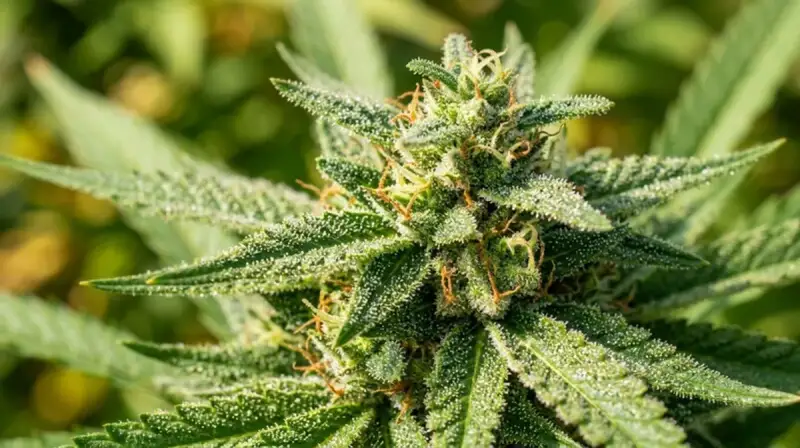
- The term “strain” is technically a microbiology term — botanists prefer “cultivar” or “variety,” but “strain” is universally used in the cannabis industry for consumer purposes
- Indica and sativa labels on commercial products are marketing terms, not reliable effect predictors — a 2015 study (Sawler et al.) found that the genetic difference between labeled indicas and sativas is insufficient to predict chemical or effect profiles
- What actually determines a strain’s effects is its chemotype (cannabinoid ratio: THC-dominant, CBD-dominant, or balanced) and its terpene profile — these are objectively measurable through COA testing
- There are over 700 named cannabis strains in commercial cultivation, plus thousands of unstabilized “cuts” (clones of specific phenotypes) — the strain naming market is completely unregulated
- Landrace strains are the original geographically-adapted varieties (Afghan, Thai, Colombian, Acapulco Gold) — virtually all modern strains are hybrids of these original populations
- F1 hybrid vigor (crossing two stable inbred lines) is increasingly applied to cannabis — F1 hybrids offer predictable, consistent effects but do not produce true-to-parent seeds
- Phenotype variation within a named strain can be significant — two batches of “Blue Dream” from different cultivators may have different terpene profiles, THC percentages, and effects
Strain, Cultivar, Phenotype: The Terminology
In microbiology, a “strain” denotes a genetic variant within a species — bacteria, viruses, and fungi are assigned strains. Botanists apply the term “cultivar” (short for cultivated variety) to plants produced by selective breeding that display consistent, reproducible characteristics. Cannabis sits in a peculiar linguistic space: the industry adopted “strain” early and the term has remained despite botanical imprecision. Regulators in Canada officially use “variety.” For practical purposes the terms are interchangeable in dispensary contexts.
A named strain is created through selective breeding: a breeder crosses two parent plants chosen for complementary traits (terpene profile, cannabinoid ratio, growth structure, yield, disease resistance) and then stabilizes the resulting offspring over multiple generations until the traits breed consistently. Seeds from a stable strain will produce plants with recognizably similar characteristics. Unstabilized strains — sometimes called “cuts” — are reproduced only by cloning (taking cuttings from a mother plant) because the seed genetics are too variable.
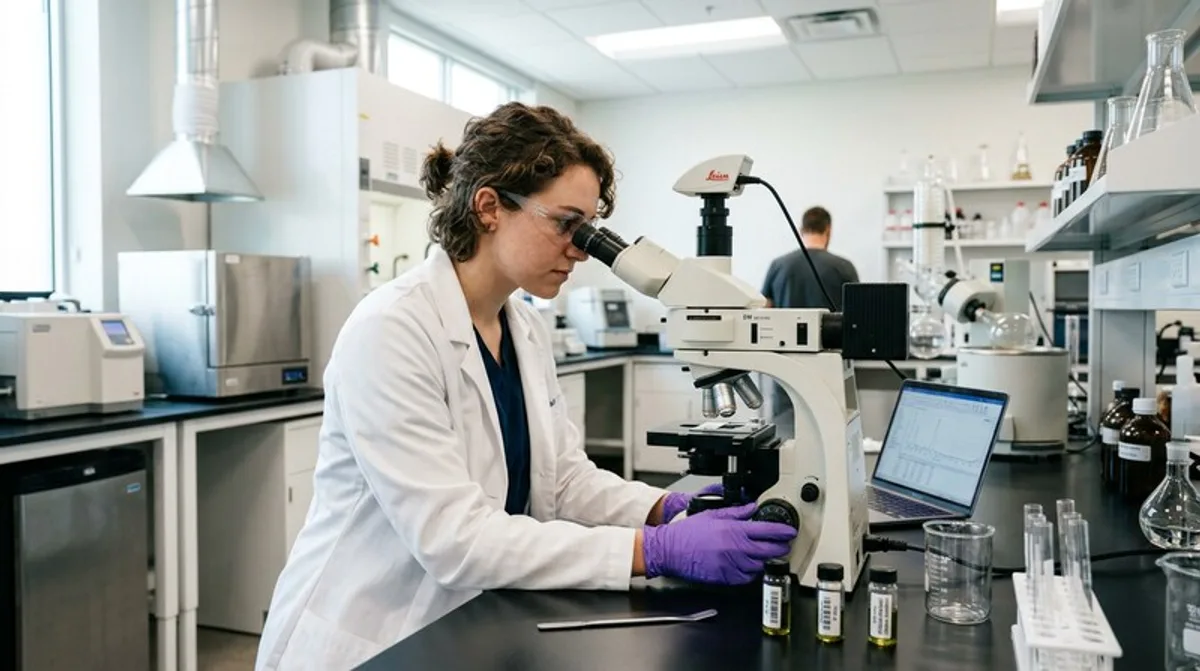
This distinction matters enormously for consumers. A strain sold by a licensed dispensary will have a COA (Certificate of Analysis) showing its actual cannabinoid percentages and terpene concentrations — and those numbers can vary significantly from the same strain grown by a different cultivator. “OG Kush” from Dispensary A may test at 24% THC with a myrcene-dominant terpene profile; “OG Kush” from Dispensary B may test at 18% THC with a caryophyllene-dominant profile. The name guarantees only a general genetic lineage, not a specific experience.
Phenotype hunting is the process through which breeders and cultivators select standout individuals. A breeder may germinate 100 seeds from one strain and grow all 100 to maturity, testing each plant’s terpene profile, yield, structure, and potency. The single plant that most closely expresses the desired trait combination is selected as the “keeper” phenotype and cloned. This clone becomes the commercial batch. Because phenotype variation within a strain is real, two growers hunting the same strain may select different phenotypes, resulting in perceptibly different products carrying the same name.
The Indica/Sativa Problem
The indica/sativa classification originates in 18th-century botany. Jean-Baptiste Lamarck described Cannabis indica in 1785 to distinguish Central Asian plants from the European fiber hemp (Cannabis sativa) already described by Linnaeus. The morphological differences are real: indica-type plants tend to be shorter, bushier, and broader-leafed, adapted to colder climates; sativa-type plants are taller and more narrow-leafed, adapted to equatorial zones. These are growth habit distinctions, not pharmacological classifications.
Modern consumer culture assigned pharmacological meanings to these terms: “indica = body high, sedating, nighttime” and “sativa = cerebral, energizing, daytime.” These associations persist as strong marketing conventions. The problem is that genetics do not support them. A landmark 2015 study by Sawler et al. (published in PLOS ONE) analyzed the genomes of 81 Cannabis accessions — labeled as indica, sativa, or hybrid by their suppliers — using 13,031 single-nucleotide polymorphisms (SNPs). The genetic clustering showed significant overlap: the two populations were not genetically distinct enough to predict chemical composition or effect profile. Indica-labeled plants clustered loosely together, but the variation within the labeled indica population was frequently larger than the variation between labeled indicas and labeled sativas.
Despite this, the labels persist because they are useful heuristics for retailers and because many consumers genuinely report different experiences with different plant morphologies. The most plausible explanation is that these experiential differences are real but are driven by terpene profile variation that happens to correlate, imperfectly, with plant type — not by the indica/sativa designation itself. Myrcene, for example, which is associated with sedative effects, tends to concentrate in broader-leafed indica-type genetics. But it is the myrcene causing the effect, not the “indica” label.
Chemotypes: The Scientific Classification
Chemotype is the pharmacologically meaningful classification system that indica/sativa is not. A chemotype classifies cannabis by its cannabinoid ratio — specifically the ratio of THC to CBD — which is genetically determined and testable. Three main chemotypes are recognized:
| Chemotype | Profile | Legal Status (US) | Typical Effects | Example Strains |
|---|---|---|---|---|
| Chemotype I | THC-dominant (>0.3% THC, low CBD) | Controlled substance (Schedule I federally; legal in 24 rec states) | Euphoria, psychoactivity, pain relief, appetite stimulation | OG Kush, Blue Dream, Gelato, Gorilla Glue |
| Chemotype II | Balanced THC/CBD (roughly 1:1 ratio) | Controlled if THC >0.3%; hemp-derived CBD legal federally | Mild psychoactivity, reduced anxiety risk, therapeutic range | Cannatonic, Harlequin, Pennywise, ACDC (high THC cuts) |
| Chemotype III | CBD-dominant (<0.3% THC, high CBD) | Legal federally as hemp under 2018 Farm Bill | Non-intoxicating, anti-inflammatory, anxiety relief, sleep support | ACDC, Charlotte’s Web, Ringo’s Gift, Elektra |
Chemotype IV (CBG-dominant) and Chemotype V (THC/CBD near zero, high in minor cannabinoids) exist in breeding programs but are rarely found in retail contexts. The commercial market is almost entirely Chemotype I, with Chemotype III growing rapidly as hemp-derived CBD products expand.
Terpene Profiles: The Real Effect Predictor
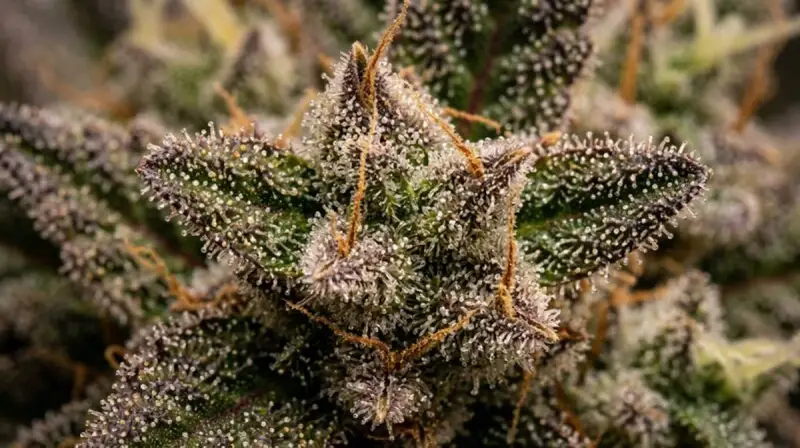
Terpenes are aromatic compounds produced in the same trichomes that secrete cannabinoids. Over 200 terpenes have been identified in cannabis. A typical commercial flower will have a dominant terpene at 0.5–3% and several secondary terpenes at lower concentrations. The combination of terpenes — and how they interact with cannabinoids via the entourage effect — is the primary driver of experiential differentiation between strains within the same chemotype.
Reading a COA’s terpene section: values are typically expressed as a percentage of total flower weight. A terpene at 0.1% or below is sub-threshold for most consumers. A dominant terpene at 1%+ will be detectable in aroma and effects. When choosing by desired effect, match the terpene profile, not the strain name:
| Desired Effect | Terpene to Look For | Aroma Profile | Example Strains |
|---|---|---|---|
| Deep relaxation / sleep | Myrcene + Linalool | Earthy, musky, floral | Granddaddy Purple, 9 Pound Hammer, Bubba Kush |
| Anxiety relief | Linalool + Caryophyllene | Lavender, spicy, peppery | Amnesia Haze, Lavender, Do-Si-Dos |
| Focus / creativity | Limonene + Alpha-Pinene | Citrus, pine, fresh | Super Lemon Haze, Jack Herer, Green Crack |
| Pain / inflammation | Caryophyllene + Myrcene | Peppery, earthy, woody | Girl Scout Cookies, OG Kush, Chemdawg |
| Euphoria / mood lift | Limonene + Terpinolene | Citrus, floral, fruity | Sour Diesel, Trainwreck, Tangie |
An important caveat: terpene concentrations degrade rapidly after harvest. Heat, light, and time all volatilize terpenes faster than they degrade THC. A COA dated 6 months ago may show 1.5% myrcene, but the actual product you receive could have far less. Fresh, properly stored flower with a recent COA is the most reliable way to match terpene profile to desired effect.
Landrace Strains vs. Modern Hybrids
Landrace strains are cannabis varieties that adapted over centuries to specific geographic environments without human intervention. They are the genetic bedrock from which all modern strains descend. The major landrace lineages include:
- Afghan (Afghani): Mountainous Central Asia. Dense, resinous buds, heavy myrcene and caryophyllene profiles, strong physical effects. Foundation of most indica-type genetics.
- Thai: Southeast Asia equatorial. Long flowering times, energetic cerebral effects, high terpinolene. Contributed to Haze lineages.
- Colombian Gold / Acapulco Gold: Latin America. Classic 1960s–70s imports, citrus and earthy profiles, moderate THC by modern standards (10–15%).
- Durban Poison: South Africa. High terpinolene, stimulating, swift onset. Contributed to Cookies genetics via OG Kush cross.
- Hindu Kush: Pakistan/Afghanistan border. Heavy resin, hash-plant genetics, foundation of many hash-producing varieties.
Modern commercial hybrids are the result of repeatedly crossing these landrace lineages to stack desired traits — high THC from one parent, aromatic terpene complexity from another, shorter flowering time from a third. After 50+ years of hybridization, most commercial cannabis contains DNA from multiple landrace lineages. Genetic dilution is a real phenomenon: modern hybrids have been so thoroughly interbred that distinguishing indica from sativa heritage by genetic analysis requires whole-genome sequencing of hundreds of markers.
F1 hybrids represent the newest frontier. In agriculture, F1 (first filial generation) hybrids are produced by crossing two inbred, genetically uniform parent lines. The F1 offspring exhibit “hybrid vigor” (heterosis) — superior growth, yield, and uniformity compared to either parent. Several seed companies now apply this model to cannabis, producing F1 cannabis seeds that grow into highly consistent, predictable plants. The tradeoff: F1 seeds cannot be saved for the next generation, because F2 offspring will not breed true. Growers must purchase fresh F1 seed each season.
How to Choose a Strain at a Dispensary
A practical decision framework for selecting cannabis with intention rather than impulse:
- Define desired effect first. Relaxation? Pain relief? Focus? Sleep? Starting with the outcome prevents you from being distracted by marketing-heavy strain names.
- Select chemotype. If you want psychoactive effects: Chemotype I. If you want mild or therapeutic without strong psychoactivity: Chemotype II. If you want no psychoactivity: Chemotype III.
- Match terpene profile. Ask for the COA or dispensary menu terpene data. Match to the table above. If no terpene data is available, the product is not worth the premium price.
- Set a potency ceiling. For new users: below 15% THC. Experienced: 18–25%. High-tolerance users may need 25%+, but higher THC is not linearly better — terpenes are the differentiating factor above a certain threshold.
- Choose form factor. Flower (fastest onset, easiest to dose), vape (faster than edible, portable), edible (delayed onset 30–120 min, longer duration, stronger effect from 11-hydroxy-THC conversion).
Red flags in strain naming: Any strain name that promises an extreme outcome (“Nuclear,” “God Mode,” “100% Indica”) without a COA to back it is a marketing construct. The unregulated strain name market means any cultivator can name any product anything. Always ask for the COA. A COA shows actual tested percentages — not claims.
Questions to ask a budtender: What’s the dominant terpene? When was the COA conducted? Is this seed-grown or clone-grown? What’s the cultivar lineage? A knowledgeable budtender will have answers to at least the first two.
Ann Karim covers cannabis science, pharmacology, and consumer guidance at ZenWeedGuide. She holds an MSc in Plant Biology and has written extensively on cannabinoid research, terpene chemistry, and evidence-based consumption.