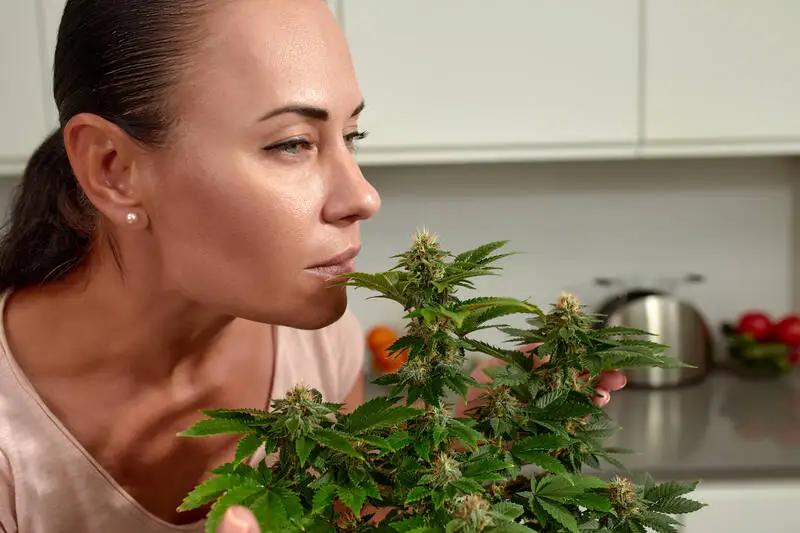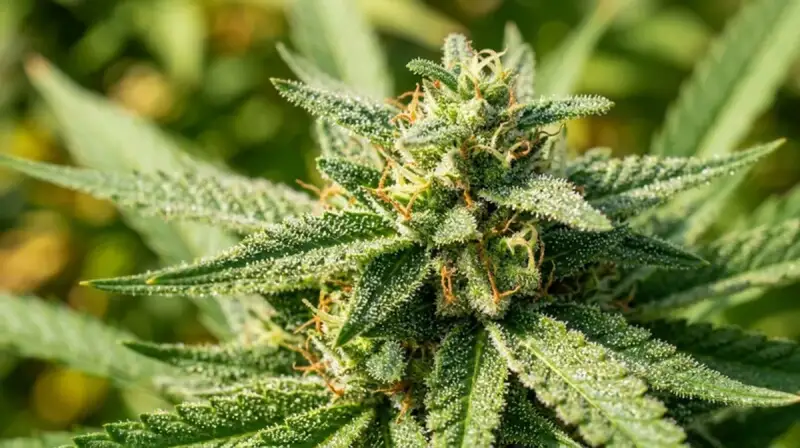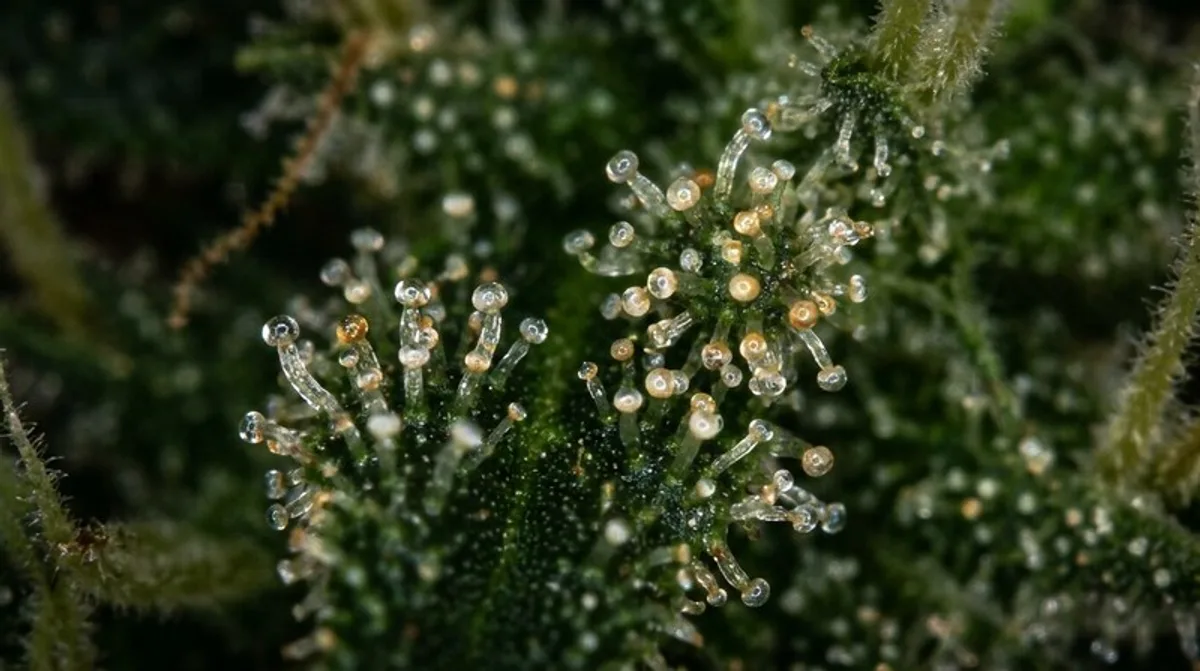
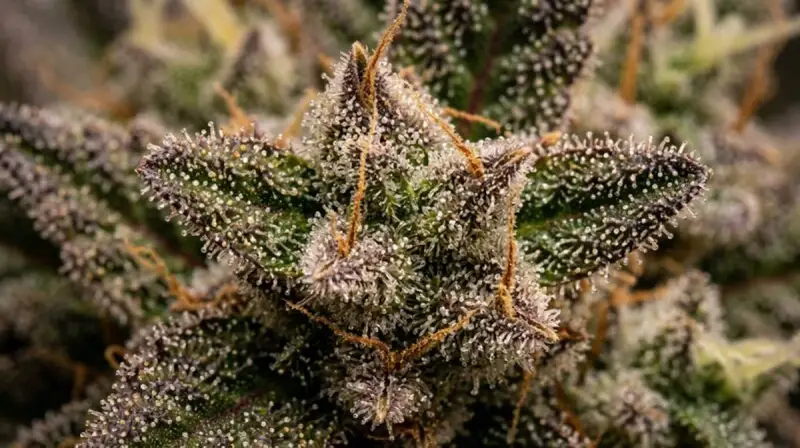




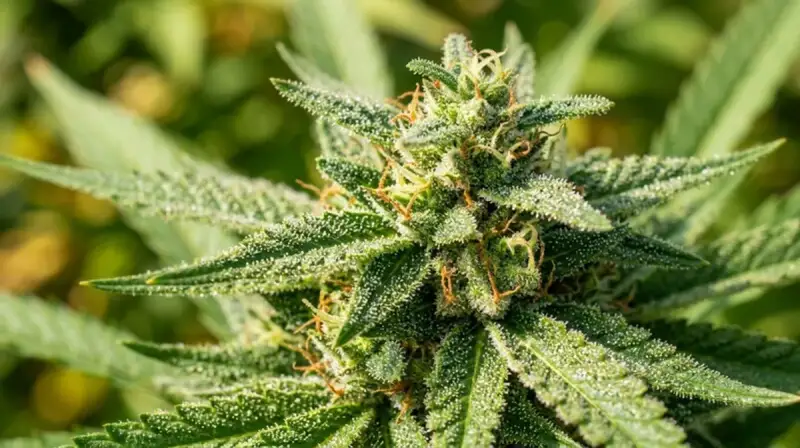
Terpenes are the aromatic compounds produced in cannabis resin glands — the same structures that produce THC and CBD. They give each strain its distinctive smell: earthy and musky (myrcene), citrusy (limonene), peppery (caryophyllene), floral and lavender-like (linalool). But terpenes do more than smell good.
Research increasingly supports that terpenes interact with cannabinoids to modify effects — a phenomenon called the entourage effect. A high-myrcene strain will feel more sedating than a high-limonene strain at identical THC levels. Understanding terpenes gives you far more useful information about a product than whether it’s labeled indica or sativa.
This section covers every major and minor cannabis terpene: aroma profile, primary effects, receptor activity, example strains, and what the research shows.
Why Terpenes Beat Indica/Sativa Labels
The indica/sativa distinction originated as a botanical classification for plant morphology, not effects. Modern cannabis is so thoroughly hybridized that these categories carry little predictive value. A “sativa” with high myrcene will sedate; an “indica” with high limonene will uplift.
Terpene panels on certificates of analysis (COAs) tell you exactly what aromatic compounds are present and in what concentration. Two strains with the same THC level but different terpene profiles will produce noticeably different effects.
Major Terpenes: Quick Reference
| Terpene | Aroma | Primary Effects | Common Strains | CB Receptor Activity |
|---|---|---|---|---|
| Myrcene | Earthy, musky, herbal | Sedating, relaxing, analgesic | OG Kush, Blue Dream | CB1 potentiator |
| Caryophyllene | Peppery, spicy, woody | Anti-inflammatory, stress relief | GSC, Sour Diesel | CB2 agonist (unique) |
| Limonene | Citrus, lemon, orange | Uplifting, mood elevation, anti-anxiety | Wedding Cake, Do-Si-Dos | Serotonin modulation |
| Linalool | Floral, lavender, spicy | Calming, anti-anxiety, sedating | Amnesia Haze, LA Confidential | GABA modulation |
| Terpinolene | Fresh, piney, floral, herbal | Uplifting, mildly sedating at high dose | Jack Herer, Ghost Train Haze | Indirect dopamine |
| Alpha-Pinene | Pine, fresh, sharp | Alertness, memory retention, bronchodilation | OG Kush, Dutch Treat | Acetylcholinesterase inhibition |
| Humulene | Earthy, woody, hoppy | Anti-inflammatory, appetite suppressant | Gelato, White Widow | CB2 partial agonist |
| Ocimene | Sweet, herbal, woody | Uplifting, antiviral, decongestant | Clementine, Golden Goat | Not well characterized |
| Bisabolol | Floral, sweet, chamomile | Anti-inflammatory, skin-soothing, calming | Headband, ACDC | Anti-inflammatory pathway |
| Nerolidol | Floral, woody, citrus | Sedating, antifungal, anti-anxiety | Skywalker OG, Chemdawg | Membrane interaction |
The Entourage Effect
The entourage effect describes the synergistic interaction between cannabinoids and terpenes. The concept, introduced by researchers Mechoulam and Ben-Shabat, suggests that whole-plant preparations produce different effects than isolated compounds — because terpenes modulate how cannabinoids bind to and activate receptors.
Caryophyllene’s direct CB2 agonism is the strongest evidence for terpene-receptor interaction. Myrcene’s apparent enhancement of THC blood-brain barrier penetration is another well-cited example. The science is still developing, but COA-informed strain selection based on terpenes is more predictive than indica/sativa labels.
How to Find Terpene Data
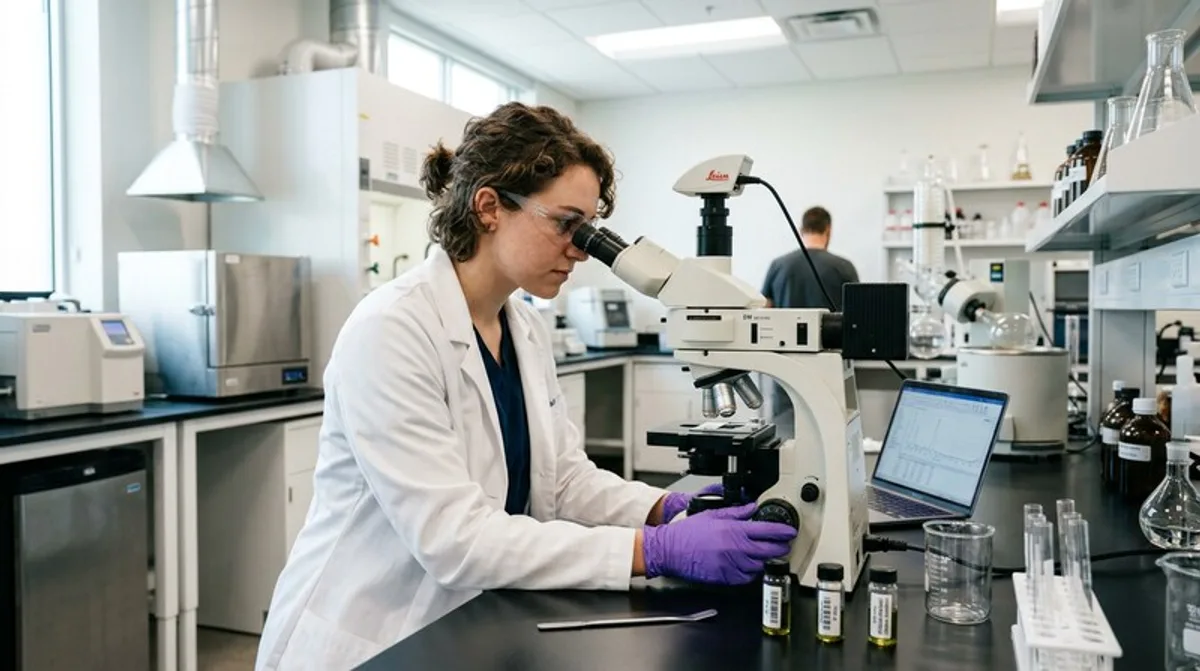
COA (Certificate of Analysis): Any legally sold cannabis product should have a third-party COA that lists cannabinoid potency and terpene content. QR codes on packaging often link directly to the lab report.
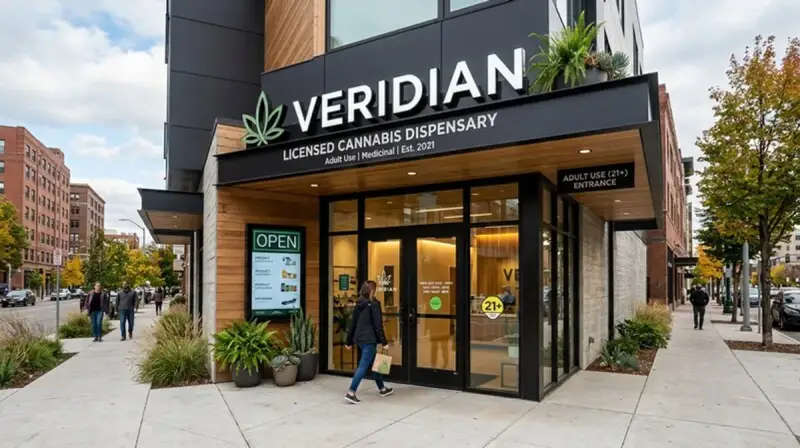
Dispensary menus: Many modern dispensaries list terpene panels on their menus alongside THC/CBD percentages. Leafly and Weedmaps also aggregate this data by batch when labs report it.
Top three terpenes: Look for the top three terpenes by percentage weight — they drive the effect profile. A strain with myrcene (1.2%), caryophyllene (0.6%), and limonene (0.4%) will feel very different from one leading with limonene + terpinolene.