







- Pure 100% indica landrace — naturally evolved in the Hindu Kush mountains with no intentional hybridization across centuries
- THC range 17–20%, delivering reliable heavy sedation without extreme modern-hybrid potency levels
- Dominant terpenes myrcene, caryophyllene, and pinene produce an earthy, spicy, hash-forward aroma that is immediately recognisable
- One of the fastest-flowering cannabis strains available: 7–8 weeks from flip to harvest indoors
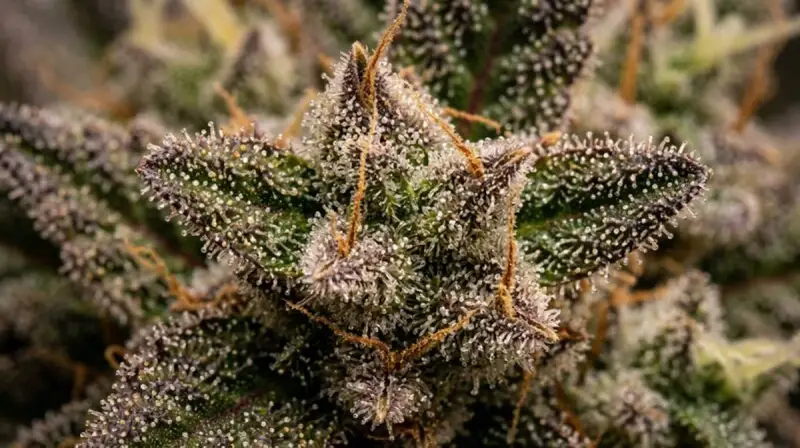
- Exceptional resin production — historically the source plant for traditional Afghan hashish, charas, and pressed hash blocks
- Short, compact structure (60–100 cm indoors) ideal for discreet grows, small tents, and limited-space cultivation
- Contributed foundational genetics to Northern Lights, Blueberry, OG Kush, White Widow, and hundreds of other modern cultivars
Afghan Kush Quick Reference
| Attribute | Detail |
|---|---|
| Type | Pure Indica (100%) |
| THC | 17–20% |
| CBD | 0.1–1% |
| Origin | Hindu Kush mountain range, Afghanistan/Pakistan border region |
| Classification | Landrace / Hash Plant |
| Dominant Terpenes | Myrcene, Caryophyllene, Pinene |
| Flowering Time | 7–8 weeks (indoor); late September outdoor |
| Indoor Yield | 300–400 g/m² |
| Difficulty | Easy — beginner-friendly |
| Best Medical Uses | Insomnia, chronic pain, muscle spasms, appetite loss |
| Flavor Profile | Earthy, woody, hash, spicy pepper notes |
| Effects | Heavy body stone, deep relaxation, sedation, appetite stimulation |
Genetics & Landrace History
Afghan Kush is a true landrace strain — a cannabis variety that developed naturally over centuries through environmental pressure and selective cultivation by local farmers, without deliberate hybridization by breeders. Its homeland is the Hindu Kush mountain range, an 800-kilometre stretch of peaks spanning northeastern Afghanistan and northwestern Pakistan, rising to elevations above 7,000 metres.
At these extreme altitudes, cannabis plants adapted to survive short growing seasons, violent temperature swings from scorching days to near-freezing nights, thin rocky soils, and prolonged drought. The result was a compact, resin-drenched plant optimised for survival rather than yield — exactly the characteristics that made it invaluable for hash production across generations of mountain communities.
For centuries, Afghan farmers hand-rubbed the live flowering plants to collect charas — a form of fresh hashish made directly from living trichomes — or dry-sifted dried material to produce the pressed hash blocks known globally as Afghan Black. These traditional extraction methods capitalised on the extreme resin density that Afghan Kush evolved as a natural defence against UV radiation at high altitude.
When Western travellers and cannabis enthusiasts began journeying the Hippie Trail through Afghanistan during the 1960s and early 1970s, they carried Afghan Kush seeds back to Europe and North America. Dutch seed banks — particularly in Amsterdam — then stabilised and commercialised the genetics during the 1980s, making them available to global breeders. Afghan Kush became the defining indica backbone for some of the most celebrated strains ever produced: Northern Lights, Blueberry, White Widow, and the original OG Kush all trace significant portions of their genetic heritage directly to Afghan Kush.
This genetic contribution is why understanding Afghan Kush matters to any serious cannabis cultivator or consumer. When you encounter a heavy, earthy indica today, there is a high probability that Afghan Kush genetics are somewhere in its lineage.
Terpene Profile
The aroma of Afghan Kush is unmistakably old-world — damp earth, spice, and the distinct musk of pressed hash. Three terpenes dominate this classic indica profile and collectively define both the scent and the pharmacological character of the strain.
| Terpene | Aroma Notes | Effect Contribution |
|---|---|---|
| Myrcene | Earthy, musky, herbal, faintly fruity | Primary sedation driver; potentiates THC absorption across the blood-brain barrier; responsible for couch-lock at levels above 0.5% |
| Caryophyllene | Spicy, peppery, woody, hash-like warmth | The only terpene known to bind CB2 receptors directly; supports anti-inflammatory and analgesic response in peripheral tissues |
| Pinene | Fresh pine, herbal, slightly sharp | Acts as an acetylcholinesterase inhibitor; may counteract short-term memory impairment from THC; adds subtle alertness to the sedation |
Myrcene concentrations above 0.5% are consistently associated with the sedating “couch-lock” experience — Afghan Kush exceeds this threshold reliably, which explains why its body stone is so pronounced even at moderate THC levels compared to modern high-THC hybrids. Caryophyllene creates a classic warm, spicy musk that experienced cannabis users immediately recognise as a marker of traditional indica genetics. The pinene fraction, while the smallest of the three, is pharmacologically significant: it partially offsets THC’s impact on working memory, allowing users to remain conversational even during the peak phase.
Effects: What to Expect
Onset (0–15 minutes)
Afghan Kush is slower to announce itself than sativa-dominant strains. Within five to ten minutes of inhalation, a quiet warmth spreads across the shoulders, neck, and upper back. Mental chatter softens without the cerebral rush typical of sativas — instead, a calm clarity settles in alongside mild mood elevation. First-time users often underestimate the incoming body wave during this phase and may inadvertently consume more than intended, which is worth noting for dosage management.
Peak (15–90 minutes)
The peak phase is where Afghan Kush earns its reputation. Full-body heaviness arrives progressively, often described as a warm, pleasant weight sinking into muscles and joints. Physical tension releases noticeably — shoulders drop, the jaw unclenches, and leg muscles surrender their stored stress. Appetite stimulation is strong and reliable during this phase, making Afghan Kush one of the most effective strains for cannabis-assisted eating in patients managing appetite loss, chemotherapy side effects, or wasting conditions. Cerebral effects remain subdued throughout: thoughts slow pleasantly without disorientation, and conversation remains easy for most users.
Tail (90 minutes–3+ hours)
The tail phase is characterised by progressive drowsiness and an almost irresistible pull toward sleep. This is Afghan Kush’s most therapeutically significant phase for insomnia patients. The transition into sleep is natural and smooth, and most users report deeply uninterrupted rest extending several hours beyond normal sleep duration. Planning around the tail is important: users who need to remain functional should schedule Afghan Kush consumption at least three hours before any required activity.
Medical Applications
Afghan Kush’s combination of sedating myrcene, anti-inflammatory caryophyllene, and sustained THC delivery makes it one of the most frequently cited medical strains for physical symptom management. Its primary applications are:
| Condition | Mechanism | Recommended Timing |
|---|---|---|
| Insomnia | Myrcene + THC reduce sleep-onset latency and increase slow-wave sleep duration | 1–2 hours before bed |
| Chronic Pain | CB1 + CB2 receptor activation reduces both central and peripheral pain signalling | Evening; as needed |
| Muscle Spasms | Body-heavy myrcene/caryophyllene relaxation directly releases sustained muscle tension | Evening / post-physical activity |
| Appetite Loss | THC activates CB1 receptors in the hypothalamus, reliably driving hunger signals | 30–60 minutes before meals |
Flavor & Aroma in Detail
Afghan Kush delivers a flavor experience that is earthy, woody, and deeply hash-forward — a profile that stands in deliberate contrast to the fruit-candy terpene profiles common in modern hybrids. On the inhale, the dominant notes are compressed soil, dry aged wood, and a quiet sweetness reminiscent of dark tobacco or unburned incense. The spicy caryophyllene becomes more prominent on the exhale, leaving a warm peppery finish at the back of the throat.
Pinene adds a faint freshness that prevents the flavor from becoming oppressively heavy — it functions as a palate cleanser, lifting the finish without introducing any sharp chemical quality. Experienced hash users often describe the overall taste as closely matching traditional Afghani block hash: warm, ancient, and satisfyingly complex without sweetness or synthetic aromatic notes.
When grown optimally with controlled feeding and proper curing (minimum four weeks in sealed glass), the flavor profile intensifies considerably. The hash and earth notes deepen, and a faint floral undertone emerges in well-cured Afghan Kush that is absent in hastily dried material.
Afghan Kush vs. Related Indica Strains
| Strain | THC | Type | Key Difference from Afghan Kush |
|---|---|---|---|
| Hindu Kush | 15–20% | Pure Indica | Sister landrace; sandalwood/sweet notes vs. hash/earth; terpinolene secondary |
| Northern Lights | 16–21% | Indica-dom | Afghan Kush descendant; sweeter, more euphoric; easier indoor management |
| Bubba Kush | 17–22% | Indica | Coffee and chocolate terpene notes; heavier couch-lock than Afghan Kush |
| Master Kush | 20–24% | Indica-dom (90/10) | Hindu Kush × Skunk; higher THC with mild cerebral lift; incense/citrus notes |
Growing Afghan Kush: Full Cultivation Guide
Afghan Kush is among the most forgiving cannabis strains to cultivate and represents an excellent starting point for new growers. Its landrace genetics confer natural resistance to drought, cold snaps, mould, and common pests — resilience that more refined hybrids, bred primarily for potency and yield, have progressively lost.
| Factor | Indoor | Outdoor |
|---|---|---|
| Flowering Time | 7–8 weeks | Late September – early October |
| Yield | 300–400 g/m² | 400–500 g/plant |
| Height | 60–100 cm | 80–130 cm |
| Difficulty | Easy — ideal for beginners | Easy |
| Climate Tolerance | Handles temperature variation well; keep RH below 50% in late flower | Excellent cold and drought resistance; performs in continental climates |
| Resin Production | Very high — excellent for hash, rosin, and solventless extracts | Very high |
| Training Response | Responds well to LST; topping/mainlining optional | Natural bushy structure; minimal intervention required |
The short, compact structure rarely exceeds 100 cm indoors, making Afghan Kush ideal for small tent grows, stealth cultivation, and spaces with strict vertical limitations. Low-stress training (LST) effectively opens the canopy to improve light penetration to lower bud sites without the recovery time required after topping. Its naturally bushy shape means the plant self-branches well, but a single mainline or manifold can boost yield significantly for intermediate growers seeking higher production per watt.
The primary cultivation risk is dense bud structure: the combination of high resin content and tightly packed calyxes creates conditions where moisture becomes trapped, providing ideal conditions for grey mould (Botrytis cinerea). Maintaining relative humidity below 50% during the final two weeks of flowering and ensuring consistent airflow through the entire canopy — not just the tops — is essential. A small oscillating fan directed at lower bud sites during the final stretch significantly reduces mould risk.
For hash producers, Afghan Kush is the ideal starting material. The dense trichome coverage responds exceptionally well to ice-water extraction (bubble hash), dry-sifting over mesh bags, and rosin pressing. Return rates per gram of dry input material consistently exceed what most modern hybrids produce, which is why Afghan Kush remains the benchmark strain for traditional hash crafts. See our beginner growing guide and cannabis concentrate guide for more on extraction techniques.
Drug Test Detection Windows
| Test Type | Detection Window | Notes |
|---|---|---|
| Urine | 3–30 days | Up to 45 days for daily heavy use; most common employment screening method |
| Blood | 1–2 days | Up to 7 days in chronic daily users; used for suspected impairment |
| Saliva | 24–72 hours | Roadside oral fluid screening; detects very recent use |
| Hair | Up to 90 days | Reflects cumulative exposure over time; does not indicate impairment level |
THC-COOH, the primary metabolite detected in urine tests, is fat-soluble and stores in adipose tissue, explaining why detection windows are so much longer than blood or saliva windows. Body composition, metabolic rate, and frequency of use all significantly affect individual detection times. Learn more in our complete drug test guide.
Afghan Kush in Cannabis Culture
Few strains carry the cultural weight of Afghan Kush. As the most commercially distributed and genetically studied of the Hindu Kush landrace strains, it has shaped not only what modern cannabis looks and smells like, but also the entire conceptual framework of the indica/sativa classification system.
The compact, broad-leafed, fast-flowering, body-heavy plant that most people picture when they hear the word “indica” is essentially the phenotype of Afghan Kush. Every seed bank that categorises strains as indica-dominant is implicitly referencing the genetic blueprint that Afghan Kush established. Its impact on global cannabis culture — from Amsterdam coffee shops to California dispensaries to Moroccan hash production — cannot be overstated.
In the traditional hash-producing regions of Afghanistan and Pakistan, Afghan Kush remains a living agricultural heritage crop, cultivated by the same farming communities that have maintained these genetics for generations. Preserving access to authentic landrace seeds is considered important by both ethnobotanists and cannabis breeders who recognise that genetic diversity has an inherent value beyond any single commercial application.
Related Strains
- Hindu Kush — sister landrace with sandalwood/sweet terpene character and terpinolene secondary
- Northern Lights — classic Afghan Kush descendant with sweeter, more euphoric profile
- Master Kush — Hindu Kush × Skunk with higher THC and a mild cerebral component
- Bubba Kush — heavy indica with coffee/chocolate terpenes and pronounced couch-lock
- OG Kush — hybrid descendant combining Afghan Kush body effects with fuel/citrus terpenes