
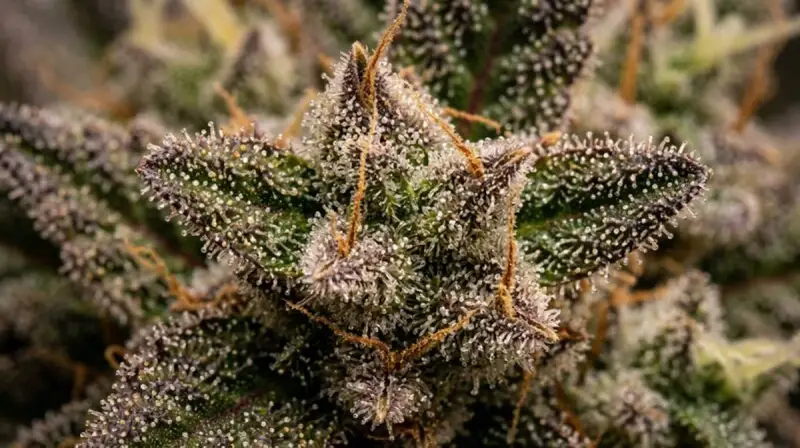









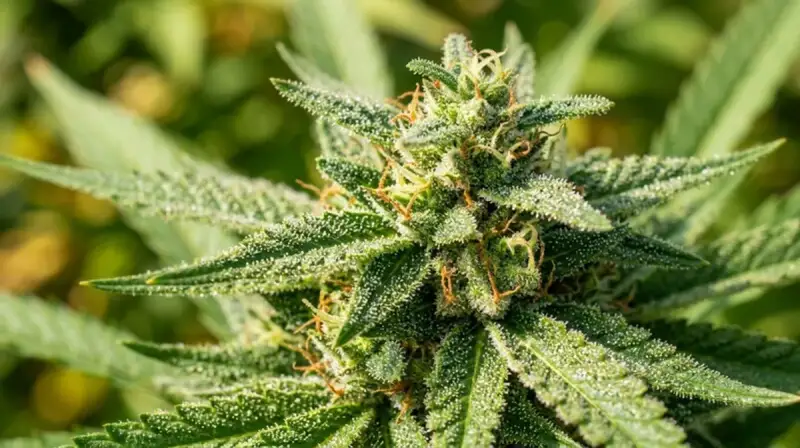
Ghost Train Haze: The Benchmark Ultra-Potent Sativa
Ghost Train Haze occupies a unique position in cannabis history: it is the strain that demonstrated a sativa could reach THC levels previously associated only with indica-dominant hybrids, without sacrificing the intensely cerebral, energising quality that defines the sativa experience. Bred by Rare Dankness from Ghost OG and Neville’s Wreck, it has collected multiple Cannabis Cup awards and holds a permanent place in any serious discussion of the most potent sativas ever produced for the commercial market.
- Genetics: Ghost OG × Neville’s Wreck (Rare Dankness, Colorado)
- Type: Sativa-dominant hybrid (80% sativa / 20% indica)
- THC Range: 18–28%+ — among the highest-THC sativas available
- CBD: <1%
- Top Terpenes: Terpinolene, Myrcene, Ocimene
- Effects: Intensely cerebral, euphoric, creative, energising — can be overwhelming
- Medical Uses: Depression, fatigue, ADHD — NOT for anxiety
- Awards: Multiple Cannabis Cup wins; ranked among world’s strongest sativas
| Attribute | Detail |
|---|---|
| Type | Sativa-Dominant Hybrid (80% Sativa / 20% Indica) |
| Genetics | Ghost OG × Neville’s Wreck |
| Breeder | Rare Dankness (Colorado) |
| THC | 18–28%+ |
| CBD | <1% |
| Primary Terpenes | Terpinolene, Myrcene, Ocimene |
| Flavour | Citrus, floral, earthy, sour fuel |
| Effects | Intense cerebral euphoria, creativity, focus, energy — overwhelming at high doses |
| Medical | Depression, fatigue, ADHD, creative blocks — contraindicated for anxiety |
| Flower Time | 70–80 days (10–12 weeks) |
| Indoor Yield | 500–600g/m² |
| Difficulty | Difficult |
Genetics: Ghost OG × Neville’s Wreck
Ghost Train Haze was created by Scott Reach of Rare Dankness, a Colorado-based breeding operation that has produced some of the most distinctive genetics in American cannabis. The cross brings together two very different but complementary parent strains.
Ghost OG is a phenotype of OG Kush with particularly pronounced terpene expression — sharper citrus, more fuel, higher resin density than standard OG Kush phenotypes. It contributes the OG lineage’s characteristic potency ceiling and the fuel-citrus terpene character that runs through Ghost Train Haze’s aroma profile. Ghost OG’s 20% indica contribution to the cross also provides the slight physical grounding that prevents Ghost Train Haze from becoming a purely cerebral, anxiety-generating sativa experience — though at high doses, this grounding is minimal.
Neville’s Wreck brings the sativa power. A cross between Arcata Trainwreck and Neville’s Haze, it carries Haze genetics that trace back to the original imported Southeast Asian and South American landrace sativas that defined the haze breeding tradition. Haze genetics are responsible for the cerebral, energising, almost psychedelic quality of the sativa experience; Trainwreck adds potency and a sharp, almost astringent citrus-fuel character. The combination in Neville’s Wreck produces a sativa of formidable intensity — and when crossed with Ghost OG, the potency ceiling elevates further still.
The name references both the Ghost OG parent and the “train wreck” quality that Trainwreck-derived genetics contribute. Ghost Train Haze earned its plural Cannabis Cup recognitions precisely because it achieved what many breeders had attempted but few achieved: an 80/20 sativa delivering effects and THC levels in the same tier as the most potent indicas, while retaining the full cerebral, creative sativa character.
Terpene Profile
| Terpene | Aroma Note | Effect Role | Also Found In |
|---|---|---|---|
| Terpinolene | Floral, citrus, herbal, pine | Uplifting, energising, stimulating; associated with cerebral sativa effects | Jack Herer, Durban Poison, Dutch Treat, XJ-13 |
| Myrcene | Earthy, musky, tropical fruit | Enhances THC absorption; provides slight physical grounding to the experience | OG Kush, Blue Dream, Granddaddy Purple, Haze |
| Ocimene | Sweet, herbal, tropical, woody | Uplifting; antioxidant; contributes to the bright, fresh aromatic character | Strawberry Cough, Clementine, Dutch Treat |
Terpinolene is the defining terpene of Ghost Train Haze and the primary driver of its uniquely intense cerebral character. Where caryophyllene and myrcene — the dominant terpenes in indica-heavy strains — produce body-relaxing and sedative effects, terpinolene is consistently associated with uplifting, energising, almost activating effects. In Ghost Train Haze, terpinolene at high concentration combined with high THC creates the overwhelming mental intensity that has made the strain both famous and infamous.
The myrcene component is significant precisely because of what it does not do at these concentrations: it does not sedative the experience in the way it would at dominant concentrations in an indica. Instead, it provides just enough physical foundation to prevent the terpinolene from producing a purely racey, anxious response in users who are accustomed to potent sativas. At higher doses, this moderation fails and the full intensity of the terpinolene-THC combination becomes apparent.
Effects
Ghost Train Haze is categorically different from average cannabis. Understanding its effects requires approaching it as a specialist experience: appropriate for specific purposes, inappropriate for casual or inexperienced consumption.
Onset (0–5 Minutes)
Onset is among the fastest of any sativa — typically within 2–3 minutes of inhalation. The initial experience is a sharp, sudden cerebral acceleration: thoughts become rapid and associative, sensory perception sharpens, and there is an immediate mood uplift that experienced sativa users will recognise as the leading edge of a very strong cerebral experience. New users or those unaccustomed to high-THC sativas frequently misread this onset as the full effect and consume more before the peak arrives. Do not. Wait the full 20 minutes.
Peak (5–90 Minutes)
The peak is intense. Cerebral effects dominate entirely: racing thoughts, heightened sensory acuity, intense focus or creativity (depending on task and set), and a euphoric energy that makes physical movement feel effortless and pleasurable. This is the state in which Ghost Train Haze is most medically useful for depression, motivational deficits, and creative work. It is also the state in which, at higher doses or in anxiety-prone users, the experience can shift rapidly to paranoia, racing heart, and overwhelming mental stimulation. The 20% indica contribution from Ghost OG provides only marginal physical grounding at this intensity level.
Tail (90–180 Minutes)
The tail phase is more manageable than the peak but remains cerebral and somewhat stimulating. Unlike indica tails which trend toward sedation, Ghost Train Haze’s tail is a gradual return to baseline with residual mental clarity and a pleasant, mild elevation in mood. Sleep after Ghost Train Haze requires waiting for a full comedown — using it within 3–4 hours of intended sleep is not recommended.
Medical Uses
- Depression: Ghost Train Haze is one of the most effective cannabis strains for depression characterised by low mood, anhedonia, and lack of motivation. The intense euphoria and energising terpinolene-dominant profile produces a powerful and rapid mood uplift. Daytime use is strongly preferred.
- Fatigue & Chronic Fatigue: The energising, activating quality of Ghost Train Haze makes it effective for users experiencing persistent fatigue or low energy where sedating strains would compound the problem.
- ADHD: High-THC sativas with terpinolene-dominant profiles are used by some patients with ADHD for paradoxical focusing effects. This mechanism is not fully understood and does not apply to all users; individual response varies significantly.
- Creative & Motivational Blocks: Ghost Train Haze is widely used by creatives for its ability to break through mental blocks and generate associative, generative thinking. Writers, musicians, and visual artists frequently cite it as one of the most effective strains for creative work.
Always consult a licensed healthcare provider before using cannabis for medical conditions.
Growing Ghost Train Haze
Ghost Train Haze is one of the more challenging strains to grow successfully. Its sativa-dominant genetics produce tall, stretchy plants that require significant intervention to manage in standard indoor grow spaces. The long flowering time demands patience. But experienced growers who provide adequate conditions and training are rewarded with exceptional yields and some of the most potent sativa flower available.
| Factor | Indoor | Outdoor |
|---|---|---|
| Flowering Time | 70–80 days (10–12 weeks) | Late October to mid-November |
| Yield | 500–600g/m² | 600–900g per plant |
| Height | 120–200cm+ (requires training) | 200–300cm+ |
| Difficulty | Difficult — not for beginners | Difficult |
| Optimal Climate | 70–80°F, 40–50% RH late flower | Warm, long-season climate; frost risk in late harvest regions |
| Training | Topping + LST or SCROG essential | Heavy topping recommended |
| Stretch at Flip | 2–3x height in first 3 weeks of flower | Substantial |
The primary challenge in indoor cultivation is the stretch. Ghost Train Haze can double or triple its vegetative height in the first three weeks of the 12/12 flowering cycle. Growers with limited vertical space must top aggressively during veg, implement SCROG or LST techniques, and flip to flower earlier than they would with indica-dominant strains. A plant that enters flower at 50cm may reach 150cm before stretch is complete — plan accordingly.
The long 70–80 day flowering window requires patience but is non-negotiable for full terpene and THC development. Harvesting early to save time produces inferior results: the terpinolene-dominant profile develops progressively through the back half of the flower cycle, and premature harvest sacrifices exactly the qualities that make Ghost Train Haze exceptional. Use trichome examination under magnification to confirm harvest readiness: transition from clear to mostly cloudy with minimal amber indicates peak THC with full terpene development.
Outdoor cultivation in warm, long-season climates can produce exceptional results: plants can reach 2–3 metres and deliver 600–900g per plant when given full-season root development. The long finish time means outdoor growers in temperate climates face frost risk; greenhouses or polytunnels are strongly recommended above 45° latitude.
Drug Test Detection Windows
| Test Type | Occasional User | Regular User | Daily User |
|---|---|---|---|
| Urine | 3–7 days | 10–21 days | Up to 30+ days |
| Blood | 1–3 days | 3–7 days | 7–14 days |
| Saliva | 24–72 hours | 3–5 days | Up to 7 days |
| Hair Follicle | Up to 90 days | Up to 90 days | Up to 90 days |
See our full drug testing guide for factors that affect detection windows.
Related Guides
Jack Herer Durban Poison Trainwreck OG Kush Terpinolene Guide Creativity & Focus Effects Cannabis for Depression Drug Testing Guide All StrainsFrequently Asked Questions
Jordan Price
Cannabis Cultivation Specialist — ZenWeedGuide
Jordan specialises in cannabis genetics, terpene science, and cultivation techniques. His guides draw on peer-reviewed research and hands-on growing experience across indoor and outdoor environments.