









- Bred by TGA Subcool Seeds — Jack’s Cleaner × Jack’s Cleaner B
- Sativa-dominant hybrid: 70% sativa / 30% indica
- THC range: 20–25% with notable THCV content
- Terpenes: terpinolene, myrcene, caryophyllene — lemon, pine, earthy chemical
- Effects: intense cerebral euphoria, energy, psychedelic sativa — fast and potent
- Medical: depression, fatigue, PTSD, social anxiety — daytime productivity strain
- Flowers in 8–9 weeks — fast for sativa genetics
Strain Quick Reference
| Attribute | Details |
|---|---|
| Breeder | TGA Subcool Seeds (Subcool / Derek Bergrud) |
| Genetics | Jack’s Cleaner × Jack’s Cleaner B |
| Type | Sativa-dominant hybrid (70% / 30%) |
| THC Content | 20–25% |
| THCV | Present (notable — contributes to stimulant properties) |
| CBD Content | <1% |
| Primary Terpenes | Terpinolene, Myrcene, Caryophyllene |
| Flavor Profile | Lemon, pine, earthy, light chemical |
| Flowering Time | 8–9 weeks (fast for sativa) |
| Indoor Yield | 400–500 g/m² |
| Difficulty | Moderate |
| Best For | Daytime, creativity, productivity, energy |
Genetics: TGA Subcool Seeds & the Jack’s Cleaner Lineage
Jack the Ripper was created by Subcool (Derek Bergrud, 1968–2020), founder of TGA Subcool Seeds (The Green Avengers), one of the most influential American cannabis breeding programs of the 2000s. Subcool was known for his open-source ethos — documenting his breeding work publicly in magazines and online forums, making his methodology and genetics accessible to other growers at a time when most breeders kept their work secret.
JTR is a Jack’s Cleaner × Jack’s Cleaner B cross — two phenotypes of the same Jack’s Cleaner genetics, themselves derived from Jack Herer × Purple Urkle. This double-Jack lineage concentrates the lemon-pine terpene expression and sativa energy of the Jack Herer family while adding stability and speed to the flowering cycle. Subcool described JTR as one of his personal favorite strains for its fast-acting, uniquely electric cerebral energy that he attributed partly to the strain’s THCV content.
THCV: The Science Behind JTR’s Energy
Jack the Ripper contains notable levels of THCV (tetrahydrocannabivarin), a minor cannabinoid that plays a significant role in its distinctive effect profile. Understanding THCV explains why JTR feels different from other high-THC sativas.
THCV acts as a CB1 receptor antagonist at low doses — the opposite of THC, which is a CB1 agonist. This means at moderate consumption levels, THCV can suppress appetite (the “anti-munchies” effect) and sharpen mental focus rather than inducing the food cravings common with high-THC strains. At higher doses THCV shifts to partial agonist activity, contributing to the psychedelic clarity some JTR consumers report.
THCV also breaks down more quickly in the body than THC, which contributes to JTR’s reputation for a clean, fast-clearing high without the prolonged brain fog some heavy indicas leave. The combined effect — fast onset, sharp focus, clean clearance — makes JTR genuinely useful as a daytime productivity strain in ways that many high-THC sativas fail to deliver.
Terpene Profile
| Terpene | Aroma Note | Concentration | Effect Role |
|---|---|---|---|
| Terpinolene | Pine, lemon, floral | Dominant | Uplifting, energizing; hallmark of Jack family |
| Myrcene | Earthy, herbal | Secondary | Potentiates THC; light body grounding |
| Caryophyllene | Spicy, chemical | Secondary | CB2 agonist; adds the earthy-chemical edge |
Effects: Three-Phase Experience
Phase 1 — Intense Cerebral Rush (0–15 minutes)
JTR is fast and hard. Even experienced sativa consumers often comment on how quickly it hits — within 3–5 minutes of smoking, a sharp pressure builds behind the eyes and radiates forward across the frontal lobe. The THCV component accelerates this onset beyond what comparable THC percentages alone would produce. Mood elevates rapidly, thoughts quicken, and sensory input becomes more vivid and sharp.
Phase 2 — Productive Energy (15–90 minutes)
The peak phase delivers sustained cerebral energy that users consistently describe as uniquely “electric” — not racy or anxious, but genuinely invigorating. Creative connections flow easily, conversation is effortless, and physical activity feels natural. This is the phase where JTR earns its productivity reputation. Unlike many sativa hybrids that peak briefly then collapse into lethargy, JTR maintains a long, stable functional window backed by the THCV-enhanced clarity.
Phase 3 — Clean Comedown (90 minutes onwards)
The THCV component contributes to one of JTR’s most appreciated qualities: a clean, clear comedown without the fog or fatigue that characterizes many high-THC strains. As the effects wind down, consumers return to a functional baseline rather than a heavy, groggy sedation. This clean clearance makes JTR suitable for workday use in a way that heavier indicas or even balanced hybrids cannot match.
Medical Applications
| Condition | Mechanism | Use Timing |
|---|---|---|
| Depression | Rapid mood elevation + sustained energy combats depressive energy deficit | Morning / daytime |
| Fatigue | THCV + terpinolene provide genuine stimulant-like energy boost | Morning |
| PTSD | Euphoric onset interrupts hyperarousal cycle; requires careful dosing | Daytime (low dose) |
| Social Anxiety | Euphoria and sociability boost; caution — high doses may worsen anxiety | Pre-social situations |
JTR vs. Jack Herer vs. J1: Comparison Table
| Strain | Type | THC | THCV | Effect Character |
|---|---|---|---|---|
| Jack the Ripper | Sativa (70/30) | 20–25% | Notable | Intense, fast, psychedelic, clean clearance |
| Jack Herer | Sativa (55/45) | 18–24% | Low | Smooth, balanced, earthier, gentler onset |
| J1 (Jack 1) | Sativa (70/30) | 18–23% | Low | Very similar to JH; slightly more sativa |
| Super Lemon Haze | Sativa (80/20) | 20–25% | Trace | Lemon-forward, energetic, less psychedelic |
Growing Jack the Ripper
JTR is notably faster than most sativa-dominant genetics, making it significantly more approachable for indoor growers. The 8–9 week flowering window — comparable to many indica hybrids — is one of its strongest cultivation advantages alongside its moderate height management.
| Factor | Indoor | Outdoor |
|---|---|---|
| Yield | 400–500 g/m² | 500–700 g/plant |
| Height | 90–130 cm (moderate for sativa) | 150–200 cm |
| Flowering Time | 8–9 weeks (fast for sativa) | Late September |
| Difficulty | Moderate | Moderate |
| Training | Topping recommended; LST optional | Light support staking |
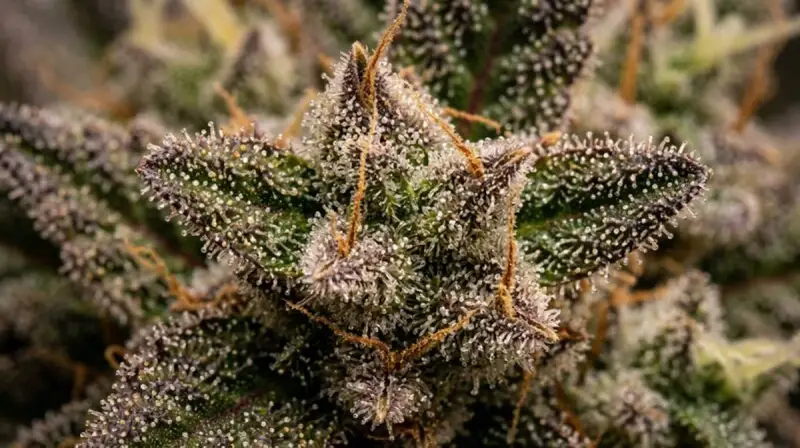
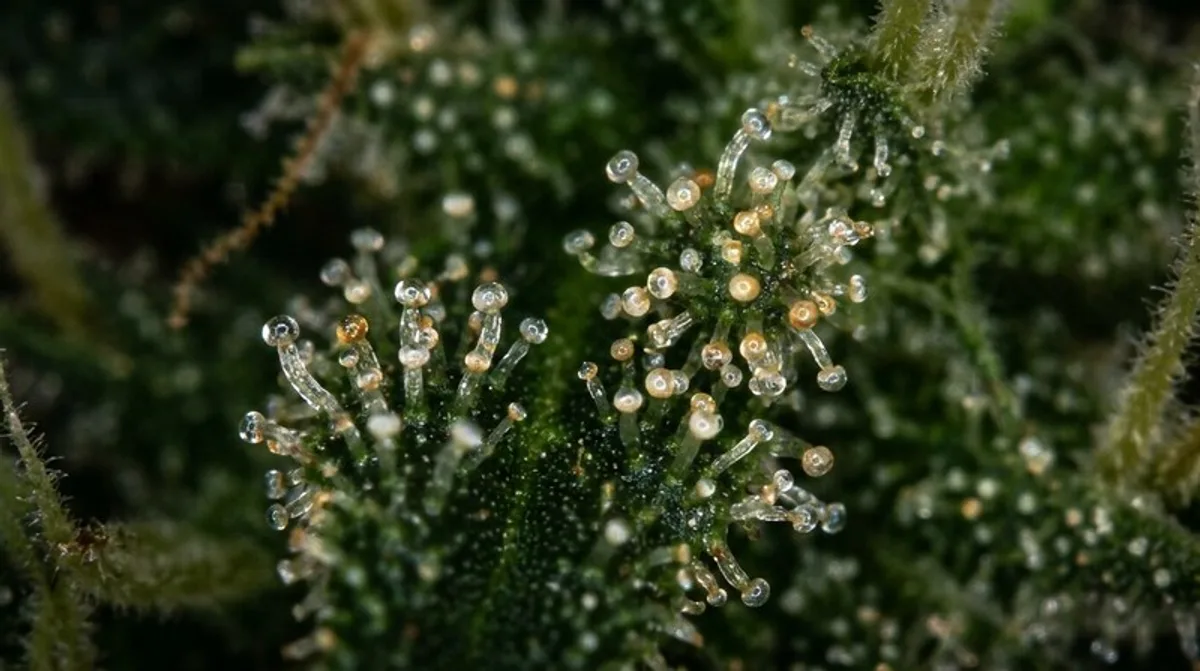
JTR plants stretch during early flowering but stabilize quickly. The buds are elongated and airy compared to indica hybrids — typical of sativa genetics — with bright orange pistils and heavy trichome coverage that concentrates the lemon-pine terpene expression. Subcool recommended keeping nutrient levels moderate throughout the grow to avoid heavy-feeding stress that can mute the terpene profile.
Drug Test Detection Windows
| Test Type | Casual Use | Daily Use | Notes |
|---|---|---|---|
| Urine | 4–8 days | 30–45 days | THCV may be separately detectable on some panels |
| Blood | 1–2 days | 5–7 days | THCV clears faster than THC |
| Saliva | 24–48 hours | 72 hours | Standard roadside method |
| Hair | Up to 90 days | Up to 90 days | Historical use indicator |
Note: Standard drug panels test for THC-COOH metabolites. THCV is not typically screened on commercial panels but may appear on specialized testing. See our drug test guide for more.
Related Strains
- Jack Herer — the grandfather of the Jack family
- Super Lemon Haze — comparable lemon-forward sativa energy
- Durban Poison — another high-THCV African-lineage sativa
- Vortex — another TGA Subcool Seeds classic
- Browse All Strains