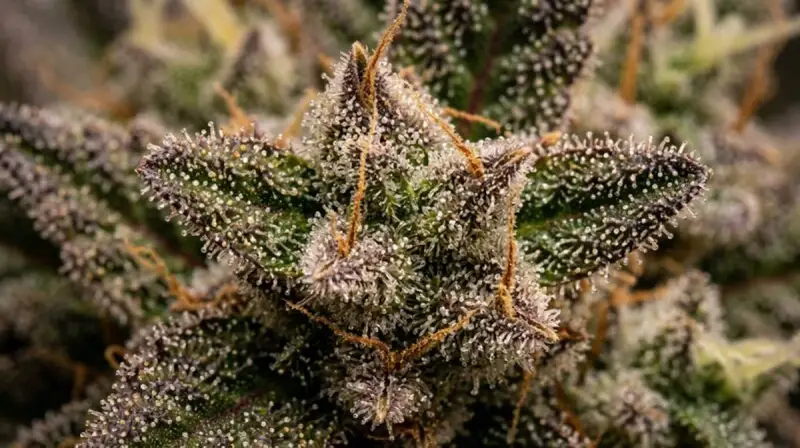
OG Kush × SFV OG from Lake Tahoe, California — widely considered the most potent OG phenotype, combining fast-acting power with the classic lemon-pine-fuel terpene signature.
THC 18–24%CBD <1%Myrcene-dominant9–10 weeks
7 Key Findings
Lake Tahoe California phenotype of OG Kush × SFV OG — highest-potency OG variant
THC 18–24%: broader range than standard OG Kush, with top cuts exceeding 22%
Myrcene-dominant fingerprint delivers the classic OG lemon-fuel with amplified body weight
Fast-acting onset within 5–10 minutes — among the quickest-hitting OG phenotypes
Clinically valuable for chronic pain, insomnia, PTSD, and severe anxiety
Evening-only for most users; experienced patients may use in low doses for afternoon pain relief
9–10 weeks indoor; compact enough for controlled grows without aggressive training
Genetics and California Heritage
Tahoe OG is a phenotype-driven strain rather than a complex cross. Its genetic foundation is OG Kush combined with SFV OG — San Fernando Valley OG, itself a California OG phenotype known for exceptional resin production and a refined lemon-diesel profile. The Tahoe designation marks its origin in the Lake Tahoe region of Northern California, where the high-altitude dry climate and temperature variation during the growing season favoured particularly resinous, compact phenotypes from the OG Kush genetic pool.
What sets Tahoe OG apart from other OG phenotypes is the combination of potency ceiling and effect onset speed. While Fire OG may rival it in THC content and Ghost OG in flavour refinement, Tahoe OG is consistently reported by experienced consumers as the fastest-hitting and heaviest-bodied of the major OG variants. This characteristic is attributed in part to its elevated myrcene content, which enhances membrane permeability and accelerates cannabinoid absorption into the CNS.
The OG Kush terpene fingerprint in Tahoe OG is one of the most recognisable in cannabis. Myrcene provides the earthy, musky foundation and is responsible for the notably fast and heavy body onset. Caryophyllene adds the spicy, fuel-like quality and contributes direct CB2 receptor binding, which is relevant to the anti-inflammatory medical applications. Limonene introduces the bright lemon note — the top-of-the-nose citrus character that distinguishes OG Kush from purely hash-like Kush varieties — and has documented anxiolytic and mood-elevating properties.
Tahoe OG’s most notable characteristic is how quickly the effect arrives. Where most indica-dominant strains build gradually over 10 to 20 minutes, Tahoe OG is felt within 5 to 10 minutes of inhalation — a trait attributed to the high myrcene content accelerating absorption. The initial phase is euphoric and mood-lifting; within 20 to 30 minutes the body component asserts itself fully, distributing a heaviness through the limbs and trunk that is unlike lighter OG phenotypes.
Medical applications reflect the potency profile. For chronic pain — particularly neuropathic and musculoskeletal — Tahoe OG delivers direct symptomatic relief at doses where milder strains would be insufficient. For insomnia, the sedating body weight combined with the myrcene-limonene terpene profile shortens sleep onset and may improve sleep continuity. For PTSD, the combination of mood elevation, anxiety reduction via limonene, and body-tension release addresses multiple symptom dimensions simultaneously.
Dose Level
Approx. Inhaled THC
Expected Effects
Best For
Microdose
1–2.5mg THC
Subtle relaxation, mood lift
Daytime pain, anxiety maintenance
Low
2.5–5mg THC
Body warmth, euphoria, moderate sedation
Evening relaxation, mild insomnia
Moderate
5–10mg THC
Heavy body, strong sedation, euphoria
Chronic pain, PTSD, insomnia
High
10–20mg THC
Couch-lock, deep sleep, strong psychoactive
Severe pain, treatment-resistant insomnia
Dosing Note for New Users
Tahoe OG’s fast onset means inexperienced users risk over-consumption before the initial dose has reached its peak. Start with a single draw and wait a minimum of 15 minutes before re-dosing. The potency ceiling at 24% THC can be overwhelming for low-tolerance individuals.
Growing Tahoe OG
Tahoe OG grows with the compact, manageable structure characteristic of indica-dominant OG hybrids. Plants typically reach 90 to 120cm indoors without training, making them compatible with most grow spaces without intervention. Light LST (low-stress training) or a single topping at the fourth node can improve yield by opening the canopy and increasing bud-site density, but it is not required for a productive harvest.
Resin production is exceptional. From week six onward, trichome coverage becomes visible on bud leaves, and by week eight the sugar leaves are thoroughly coated. The characteristic OG lemon-pine-fuel aroma intensifies sharply in the final two weeks. Growers working in enclosed spaces should ensure adequate carbon filtration from week five. The 9 to 10 week indoor schedule is consistent and predictable.
Parameter
Indoor
Outdoor
Notes
Flowering Time
9–10 weeks
Mid–late October
Harvest at 70% cloudy / 30% amber for maximum body effect
Height
90–120cm
150–200cm
Compact for a 9–10 week strain
Yield Indoor
400–500g/m²
—
Dense OG buds; weight concentrated in main colas
Difficulty
Moderate
Moderate
pH sensitivity common to OG lines; monitor runoff
Humidity Flower
38–45% RH
Dry climate preferred
Dense buds susceptible to Botrytis above 50% RH
Temp Range
19–26°C
California/Mediterranean
Cold nights below 14°C increase Botrytis risk
Drug Test Note
Tahoe OG’s high THC content (up to 24%) produces elevated THC-COOH metabolite concentrations. Standard immunoassay detection windows are extended for heavy users: occasional 3–7 days, regular users up to 30+ days. See THC detection window guide for full frequency-based data.
Jordan Price has spent over a decade documenting cannabis genetics, terpene chemistry, and cultivation science. His reviews combine hands-on grow experience with published pharmacological literature to deliver technically accurate, practitioner-grade content.