British Columbia’s Original OG landmark — heavy body relaxation, warm euphoria, and a pine-earthy aroma rooted in Canadian cannabis culture.
THC 18–22%CBD <1%Myrcene-dominant8–9 weeks
7 Key Findings
Original OG genetics from British Columbia’s Okanagan Valley — pre-commercial BC heritage
Myrcene-dominant profile delivers the classic OG earthy-pine sedative character
THC 18–22% with negligible CBD — strong, indica-leaning psychoactive effect
Evening-only strain: sedation increases significantly with dose escalation
Clinically relevant for chronic pain, insomnia, and anxiety
Compact indica structure; 8–9 week flower makes it efficient for indoor cycles
Name has documented cultural context: BC underground dark-humour naming convention
BC Origins and Cultural Context
Albert Walker is a strain with an unusual naming backstory grounded in British Columbia’s underground cannabis culture. Developed by cultivators in the Okanagan Valley from Original OG genetics — a broad term for the pre-commercial OG lineage that circulated through BC in the 1990s and early 2000s — the strain was named after Albert Walker, a Canadian fraudster and convicted murderer who fled to the United Kingdom in the early 1990s. The naming follows a counter-cultural tradition common among BC growers of the era, who gave strains provocative or ironic names as a form of subcultural identity. The reference is factual and historical; it carries no endorsement of any person or act.
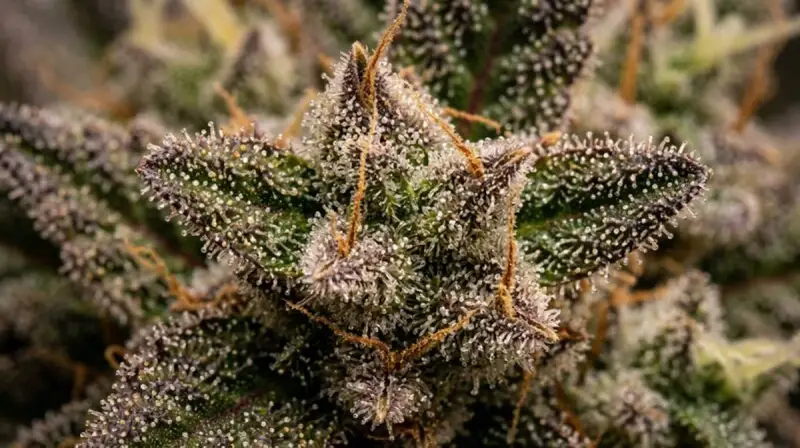
What matters botanically is the OG genetics that underpin the strain. BC’s Okanagan region produced some of the country’s most influential indica-dominant cultivars through the 1990s, benefiting from a dry, warm microclimate that favoured compact, resin-dense phenotypes. Albert Walker expresses those qualities fully: tight node spacing, dark green foliage with occasional purple tipping, and colas that pack density comparable to any OG-lineage cultivar.
BC Cannabis Culture Strains Comparison
Strain
Origin
Type
THC
Character
Albert Walker
Okanagan, BC
Indica hybrid
18–22%
Pine, earthy OG, sedating
God Bud
BC, Jordan of the Islands
Indica
19–22%
Sweet, floral, deeply sedating
BC Kush
British Columbia
Indica
17–21%
Hash, earthy, classic Kush
Rockstar
BC (Bongstar Seeds)
Indica hybrid
18–23%
Skunk, earthy, relaxing
Terpene and Cannabinoid Profile
Myrcene dominates the Albert Walker terpene profile, which is consistent with its Original OG heritage. Myrcene at high concentrations contributes significantly to the sedative, body-heavy quality of indica strains — it enhances membrane permeability and may potentiate THC’s CNS effects. Beta-caryophyllene adds a spicy diesel note and contributes CB2 receptor activity, which is relevant for users seeking anti-inflammatory benefit. Linalool, the third notable terpene, introduces a subtle floral note and has documented anxiolytic properties that help moderate any anxiety risk from the high THC content.
Albert Walker opens with a warm, euphoric head effect that elevates mood and quiets mental noise. Unlike many high-potency indicas that launch directly into sedation, the initial phase is pleasantly functional — relaxed, happy, moderately clear-headed. Within 30 to 45 minutes, the body component deepens, progressively releasing tension from the musculature and slowing the pace of thought. At moderate doses the effect plateaus at a deeply relaxed state; at higher doses, sleep becomes likely.
Medical use cases are well-matched to this effect profile. For chronic pain, the body relaxation component provides direct symptomatic relief, particularly for musculoskeletal and neuropathic discomfort. For insomnia, the sedating body weight and myrcene-linalool combination support sleep onset without requiring extremely high doses. For anxiety, the linalool content helps moderate the potential anxiety-triggering properties of high THC in combination with myrcene’s calming mechanism.
Name Origin — A BC Cultural Note
Aspect
Details
Historical figure
Albert Walker: Canadian national convicted in UK of fraud and murder (1990s)
Naming context
BC underground growers used dark-humour naming as subcultural identity markers
Era
1990s–early 2000s, pre-legalisation BC cannabis scene
Botanical relevance
None — the name is cultural shorthand, not a descriptor of effects or genetics
Growing Albert Walker
Albert Walker behaves like a textbook indica cultivar: compact, branchy, and fast-finishing. The 8 to 9 week flowering window suits growers operating on a consistent 10-week indoor cycle. Plants rarely exceed 100cm indoors without training, making them compatible with low-clearance grow spaces. The canopy tends to stay uniform, which benefits SOG (sea of green) setups where multiple plants are run with minimal vegetation time.
Resin production is notable. By week seven, trichome coverage on the upper bud leaves and main colas is dense enough to be visible to the naked eye. Experienced growers note that flushing for the final 10 to 14 days sharpens the pine-earthy aroma and reduces any residual bitterness in the smoke. Humidity management in the final two weeks is important as dense indica buds are more susceptible to Botrytis than open sativa structures.
Parameter
Indoor
Outdoor
Notes
Flowering Time
8–9 weeks
Early October
Harvest at 70% cloudy / 30% amber trichomes
Height
70–110cm
120–160cm
SOG-compatible without topping
Yield Indoor
350–450g/m²
—
Dense indica buds; weight slightly lower than sativas
Difficulty
Moderate
Moderate
Humidity management critical in late flower
Humidity Flower
38–45% RH
Dry climate preferred
Drop to 38% in final 2 weeks (Botrytis risk)
Temp Range
19–26°C
BC-adapted, tolerates 14°C nights
Cold nights late season can enhance purple phenotype
Drug Test Note
Albert Walker contains negligible CBD. Standard urine immunoassay will detect THC-COOH. Detection window: occasional users 3–5 days, daily users up to 30 days. See THC detection window guide for full data.
Jordan Price has spent over a decade documenting cannabis genetics, terpene chemistry, and cultivation science. His reviews combine hands-on grow experience with published pharmacological literature to deliver technically accurate, practitioner-grade content.