










Boulder Cannabis Travel Guide
Boulder is one of the most cannabis-forward cities in the United States — a title it held informally long before Colorado legalized recreational cannabis in November 2012. Nestled against the Front Range of the Rocky Mountains at 5,430 feet elevation, Boulder combines a world-class public university (CU Boulder, founded 1876), a highly educated progressive population of approximately 105,000, an outdoor adventure culture built around some of America’s finest hiking and cycling, and a cannabis tradition that predates legalization by decades. The city’s 1970s counterculture never fully disappeared; it simply became mainstream legal commerce. Today, Boulder’s dispensary scene is sophisticated, its cannabis-friendly accommodation market is growing, and the combination of mountain air, Flatirons scenery, and legal cannabis makes it one of the premier cannabis travel destinations in North America. One practical warning outweighs everything else: the altitude amplifies cannabis effects dramatically, and first-time visitors from sea level should approach significantly more cautiously than they would at home.
- Legal Status: Fully legal recreational cannabis — Colorado Amendment 64 passed November 2012; sales began January 2014
- Purchase Age: 21 and over; valid government-issued photo ID required (passport for international visitors; US passport card or driver’s licence for domestic)
- Possession Limit: 1 ounce (28g) in public; up to 3 ounces at private residence; 3 mature plants + 3 seedlings per adult at home
- Tax: 15% state excise tax + 15% state retail tax + 3.86% Boulder local sales tax on cannabis — total effective rate typically around 26–30% at retail
- Altitude Warning: At 5,430 ft, effects are significantly amplified — reduce dose 25–40% vs. sea-level baseline; acclimatize 24–48 hours before significant consumption
- Public Consumption: Illegal under Colorado law and Boulder ordinance; designated outdoor private areas at cannabis-friendly accommodations
- Driving: Zero tolerance for impairment; 5ng/mL THC per se standard; never drive after consuming
- Federal Land: Rocky Mountain National Park and federal lands near Boulder prohibit cannabis — federal law applies regardless of Colorado state law
Colorado Amendment 64: The Legal Framework
Colorado voters passed Amendment 64 on November 6, 2012, with 55.3% in favour, making Colorado (alongside Washington State) the first US jurisdiction to legalize recreational cannabis. The Colorado Constitution was amended to treat cannabis similarly to alcohol: possession and consumption by adults 21+ is legal; licensed retail stores may sell; home cultivation is permitted; public consumption remains prohibited; driving under the influence is criminal.
The Colorado Marijuana Enforcement Division (MED) under the Department of Revenue licenses and regulates the entire cannabis supply chain — cultivators, manufacturers, testing labs, and retail stores. Colorado’s regulatory framework has become a model for subsequent state legalizations; its seed-to-sale tracking system (Metrc), potency labelling requirements, and impaired driving protocols have been adopted or adapted by most other legal states.
For Boulder specifically: Boulder City Council has been among the more proactively cannabis-positive local governments in Colorado. The city has licensed dispensaries throughout its commercial districts, has not imposed the kind of local restrictions that some Colorado municipalities used to limit the industry, and its political culture — consistently among the most progressive in the state — aligns naturally with cannabis normalization.
The 3% local cannabis excise tax that Boulder imposes directs revenue toward affordable housing and other city priorities — a policy alignment between cannabis commerce and progressive urban objectives that reflects the city’s character. Total cannabis taxes in Boulder (state + local) typically add 26–30% to shelf prices; this is comparable to legal markets in other states and noticeably higher than black market prices, but the quality assurance, consistent labelling, and legal protection of the licensed market provide real value in return.
The Altitude Effect: Boulder’s Most Important Cannabis Variable
At 5,430 feet (1,655 metres) above sea level, Boulder sits more than a mile above sea level — close to Denver’s famous “Mile High” designation but actually higher. The physiological effects of this elevation on cannabis intoxication are real, significant, and consistently underestimated by first-time visitors from coastal or low-elevation locations.
The mechanism: at altitude, atmospheric pressure is lower, meaning less oxygen per breath despite the same breathing rate. Blood oxygen saturation — typically 98–99% at sea level — drops to 94–96% or lower in the first 24–48 hours at Boulder’s elevation before acclimatization occurs. Cannabis influences cardiovascular function, heart rate, and blood pressure; the combination of lower blood oxygen and cannabis’ physiological effects produces noticeably stronger intoxication than the same dose at sea level. This interaction is physiological fact, not anecdote — it affects experienced cannabis users just as it affects occasional users, though tolerance plays a role in absolute effect magnitude.
| User Profile | Typical Sea-Level Dose | Recommended Boulder Day 1 Dose | Additional Notes |
|---|---|---|---|
| First-time / occasional user | 2–5mg THC edible | 1–2mg THC | Consider high-CBD, low-THC products for Day 1 |
| Regular consumer | 10–15mg THC | 6–8mg THC | Wait full 2 hours before re-dosing edibles |
| High-tolerance / daily consumer | 25mg+ THC | 15–18mg THC | Still reduce Day 1; acclimatize first |
| Flower smoker (typical session) | 0.5g–1g | 2–3 puffs maximum to start | Hydrate before and after; sit before standing |
| All users after Day 2–3 | — | Approach normal dose gradually | Most visitors acclimatize within 48–72 hours |
Practical altitude tips from Boulder dispensary staff and long-term residents: drink significantly more water than usual throughout your stay — altitude dehydration is real regardless of cannabis. Avoid combining alcohol and cannabis at altitude (compounding effects). If you experience significant anxiety, rapid heartbeat, or dizziness, the altitude-cannabis combination is likely the cause — sit or lie down, focus on slow breathing, CBD products can help moderate THC effects. Do not drive. Do not swim or enter open water after significant consumption.
Boulder Dispensaries: Craft Cannabis Culture
Boulder’s dispensary scene is characterized by premium product focus and educated staff. The city’s affluent, health-conscious consumer base has pushed the market toward craft flower, precisely dosed products, solventless concentrates, and a product knowledge standard higher than most US markets. Dispensaries along Pearl Street Mall, the Broadway corridor, and near Arapahoe Road (US-36) form the main clusters.
What to expect in Boulder dispensaries: detailed cannabinoid profiles (THC, CBD, CBG, terpene percentages) on all flower products; knowledgeable budtenders who can discuss specific strain effects with precision; strong CBD and balanced (1:1 THC:CBD) sections serving Boulder’s wellness-oriented consumers; and an emphasis on locally grown Colorado craft products from independent cultivators. International visitors should know that concentrations of THC in legal Colorado cannabis can be very high — flower at 25–30% THC is common; concentrates at 70–90% THC are standard. At altitude, start with lower-potency products regardless of your sea-level experience.
Cash is king in Colorado dispensaries due to federal banking restrictions — federal cannabis prohibition means most banks will not service cannabis retailers, creating a cash-heavy industry. Most Boulder dispensaries have ATMs on site. Some accept debit cards through cashless ATM systems. All purchases are tracked through Colorado’s Metrc seed-to-sale system; dispensary records are maintained for regulatory compliance.
Pearl Street, The Flatirons, and Boulder’s Cannabis Culture
Pearl Street Mall is Boulder’s pedestrian heart — a four-block outdoor mall connecting 9th to 15th Street between Canyon and Walnut, lined with independent retailers, restaurants, galleries, and buskers. The Mall and its adjacent blocks are among Boulder’s most dispensary-dense areas. Cannabis is not consumed openly on Pearl Street (public consumption is illegal), but the dispensaries a block off the mall serve a strong walk-in trade from the city’s commercial and tourist core.
The Chautauqua Park trailhead, 15 minutes on foot or 5 minutes by car from Pearl Street, provides access to the Flatirons and Boulder’s 155+ miles of mountain park trails. The Flatirons — five dramatic angled sandstone formations that define Boulder’s skyline — are Boulder’s visual signature and among the most photographed geological features in the American West. Hiking the First Flatiron, the Royal Arch trail, or the long loop to Bear Peak provides the defining Boulder outdoor experience. Public consumption on trails is prohibited under state and municipal law; enforcement on backcountry trails is inconsistent but the legal standard is clear.
Boulder Creek Path runs east-west through the centre of the city along Boulder Creek, providing a flat, paved route past Eben G. Fine Park (historically a social gathering space for Boulder’s cannabis community during warm months), through downtown, and east toward Scott Carpenter Park. The creek corridor is one of Boulder’s most pleasant urban amenities and provides easy walking access between Chautauqua in the west and the eastern residential areas.
CU Boulder campus, in the southeast of the city, brings approximately 35,000 students whose presence has shaped Boulder’s cannabis culture for decades. The University of Colorado Boulder has a national reputation for cannabis-positive campus culture; the April 20 (4/20) annual gathering on Farrand Field was once among the most visible public cannabis consumption events in the US before the university responded with countermeasures. The campus area neighbourhood of University Hill (The Hill) has dispensaries serving the student population.
Federal Land Near Boulder: What Changes
Boulder’s proximity to Rocky Mountain National Park (RMNP) — approximately 45 miles northwest via US-36 through Lyons — means many visitors combine a Boulder trip with a national park visit. The critical rule: federal law applies on all federal land, including RMNP, regardless of Colorado state cannabis law. Cannabis possession on any US National Park land is a federal offense.
This applies not just to Rocky Mountain National Park but to any federally managed land — National Forests, Bureau of Land Management (BLM) areas, National Monuments. Nederland, the mountain town 17 miles west of Boulder at 8,228 feet elevation, is accessed via Boulder Canyon; the road and surrounding national forest land are federal. Do not carry cannabis from Boulder into RMNP or other federal lands under any circumstances.
Boulder Mountain Parks and Open Space — the municipal and county parks that include the Flatirons, Chautauqua, and the trail network immediately adjacent to the city — are city and county land, not federal. Colorado state law governs on these lands: possession is legal, public consumption is illegal. The practical distinction for visitors: Flatirons hiking = Colorado law; Rocky Mountain National Park = federal law.
Cannabis-Friendly Accommodation in Boulder
Boulder has seen growth in cannabis-friendly accommodation options driven by the city’s tourism infrastructure and tourist demand. Options range from boutique hotels with designated outdoor consumption areas to vacation rentals explicitly permitting cannabis. When booking, look for specific statements that cannabis is permitted — most standard hotels prohibit it, and the smell of cannabis in a non-permitting property typically results in cleaning fees of $200–$500. Properties near the US-36 corridor and the eastern part of Boulder tend to have more permissive policies than historic residential neighbourhoods near CU or Chautauqua.
Short-term rental platforms (Airbnb, VRBO) have many Boulder hosts who explicitly permit cannabis in their listings; the search filter “smoking allowed” or specific house rule mentions identify these. Confirm specific outdoor/indoor rules and any designated areas. The fastest-growing accommodation category for cannabis tourists is boutique hotels in the US-36 corridor between Boulder and Denver that have converted to cannabis-permitting policies to serve the segment.
Driving Laws and Getting Around Boulder
Colorado’s cannabis DUI standard is 5 nanograms per millilitre (ng/mL) of THC in blood as a per se impairment threshold. Unlike alcohol’s breath test, THC is detected through blood draw; if police have reasonable suspicion of impairment and you consent to (or are ordered to take) a blood test showing 5ng/mL or above, impairment is legally presumed. Colorado also allows conviction based on impairment evidence alone, without a blood test. The combination of these standards means cannabis DUI enforcement is real and consequential.
Practical alternatives to driving: Uber and Lyft operate throughout Boulder and are the standard transportation choice for cannabis visitors. Boulder’s Hop, Bound, Skip, and Jump RTD bus system provides frequent service along the city’s main corridors. Bixi-style bikeshare (Boulder B-cycle) is available for flat terrain exploration. The city is compact enough to walk Pearl Street to Chautauqua in approximately 20 minutes.
Recent Developments
Colorado’s cannabis market is among the most mature in the US — legalized in 2012, with over a decade of regulatory evolution. Boulder’s market reflects this maturity: product quality has improved substantially, pricing has become more competitive as supply chains matured, and the dispensary experience has professionalized significantly from the early post-legalization years.
Colorado has been exploring consumption lounges — licensed venues where cannabis can be consumed on premises — since 2019 legislation authorized them. Boulder’s local political culture is aligned with consumption lounge development. The sector is early but growing; check current listings for any Boulder consumption lounges open before your visit.
The craft cannabis sector — small-batch, artisan producers focusing on specific cultivars, organic growing methods, and distinctive terpene profiles — is particularly well-developed in Boulder compared to other Colorado markets. Ask dispensary staff about local craft producers for the most distinctive products available in the Boulder market.
Marcus Webb — ZenWeedGuide Senior Editor
Marcus covers legal cannabis markets in North America and has researched the altitude amplification effect at Boulder, Denver, and other high-elevation Colorado destinations. He considers altitude the most underestimated variable in US cannabis travel and addresses it in all high-elevation guides.
Frequently Asked Questions
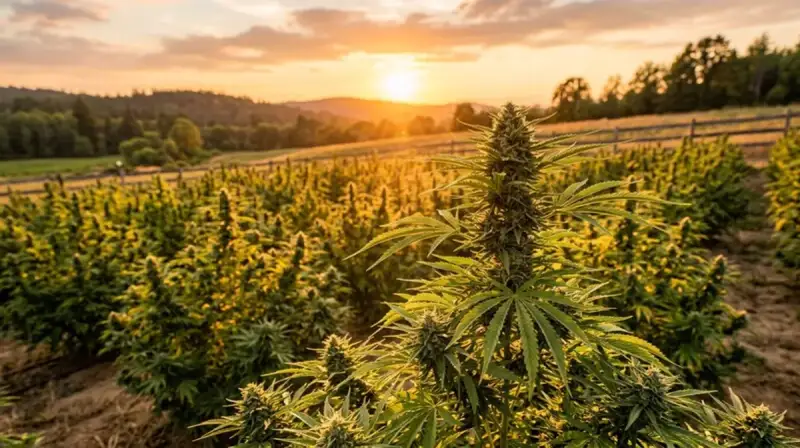
Boulder combines legal cannabis, mountain scenery, and a decades-old counterculture tradition into one of the most complete cannabis travel destinations in the United States. Remember: altitude changes everything. Start low, go slow, and hydrate.