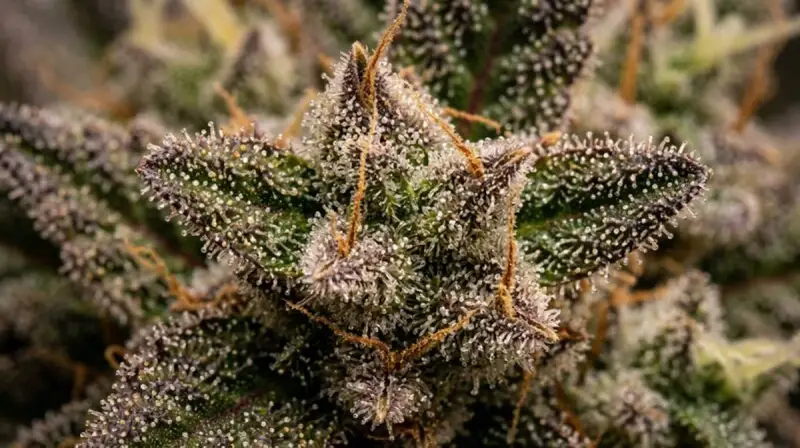
The uplifted effect originates primarily in the mesolimbic dopamine system. Under normal conditions, the ventral tegmental area (VTA) produces dopamine that travels to the nucleus accumbens (NAcc), generating motivation, reward anticipation, and positive affect. This pathway is tightly regulated by GABAergic interneurons that prevent excessive dopamine release.
THC disrupts this regulation by activating CB1 receptors on those GABA interneurons, effectively removing the brake on dopamine release. The result is a surge of dopamine in the NAcc that produces the bright, optimistic mental state users describe as uplifted. The effect is qualitatively similar to natural reward experiences but triggered pharmacologically rather than through achievement or social bonding.
CB1 activation in the prefrontal cortex adds a second dimension: it reduces the rumination and self-critical thinking that suppresses positive mood in sober states. For users experiencing mild anxiety or low-grade negative self-talk, this prefrontal quieting can be experienced as significant mood improvement.
| Terpene | Primary Receptor | Mood Mechanism | Dose Note | Key Strains |
|---|---|---|---|---|
| Limonene | 5-HT1A (serotonin) | Antidepressant-like, anxiety reduction | Active at 0.3+ mg/g in flower | Tangie, Lemon Skunk, Super Lemon Haze |
| Terpinolene | CNS stimulant pathways | Cerebral energy, mental brightness | Higher concentrations = more stimulating | Jack Herer, Durban Poison, XJ-13 |
| Alpha-pinene | Acetylcholinesterase inhibition | Alertness, counters short-term memory impairment | Synergistic with limonene | Jack Herer, Strawberry Cough, Harlequin |
| Beta-Ocimene | Not fully characterised | Sweet, floral note; contributes to sativa brightness | Often co-expressed with terpinolene | Clementine, Golden Pineapple |
| Strain | Type | THC | Dominant Terpenes | Uplifted Character | Best Use |
|---|---|---|---|---|---|
| Jack Herer | Sativa | 15–24% | Terpinolene, caryophyllene, Ocimene | Inspired, clear-headed uplift | Creative work, morning use |
| Sour Diesel | Sativa | 19–25% | Caryophyllene, myrcene, Limonene | Energising cerebral uplift | Focus tasks, social events |
| Tangie | Sativa | 19–22% | Limonene, Myrcene, Caryophyllene | Citrus-bright mood elevation | Mood lift, afternoon use |
| Super Silver Haze | Sativa | 18–23% | Myrcene, Caryophyllene, Limonene | Long-lasting uplifted effect | Extended creative sessions |
| Lemon Skunk | Hybrid (Sativa-dominant) | 15–22% | Limonene, Caryophyllene, Myrcene | Cheerful, social mood boost | Social gatherings |
| Strawberry Cough | Sativa | 15–20% | Myrcene, Caryophyllene, Pinene | Social anxiety-reducing uplift | Social anxiety, mild depression |
| Harlequin | Sativa (high-CBD) | 7–15% THC / 6–15% CBD | Myrcene, Pinene, Caryophyllene | Clear, functional uplift, minimal intoxication | Daytime, microdosing |
| Cinex | Hybrid (Sativa-dominant) | 18–25% | Terpinolene, Limonene, Myrcene | Focused, cerebral mood elevation | Work tasks, productivity |
| Durban Poison | Sativa Landrace | 15–20% | Terpinolene, Myrcene, Ocimene | Clean energy uplift, no crash | Replacing stimulants, exercise |
| Green Crack | Sativa | 16–24% | Ocimene, Myrcene, Caryophyllene | Intense energy and mood lift | High-output work, exercise |

The uplifted effect and anxiety share the same neural origin—amygdala activation and dopamine surge. At optimal doses with the right strain, these produce positive mood elevation. When dose exceeds tolerance or the strain chemistry shifts toward high THC without balancing terpenes, the amygdala response can tip into anxiety rather than euphoria.
| Factor | Favours Uplifted | Favours Anxiety |
|---|---|---|
| Dose | 5–10 mg THC | >15 mg THC (low tolerance) |
| Terpene profile | Limonene, Terpinolene dominant | No limonene, high myrcene only |
| CBD content | 1:1 THC:CBD or CBD present | THC-only, zero CBD |
| Setting | Familiar, comfortable environment | High-stress, unfamiliar, high-stakes |
| Consumption method | Inhaled (controlled onset) | Edibles (delayed, strong, unpredictable) |
The uplifted effect is uniquely suited to several specific use contexts: