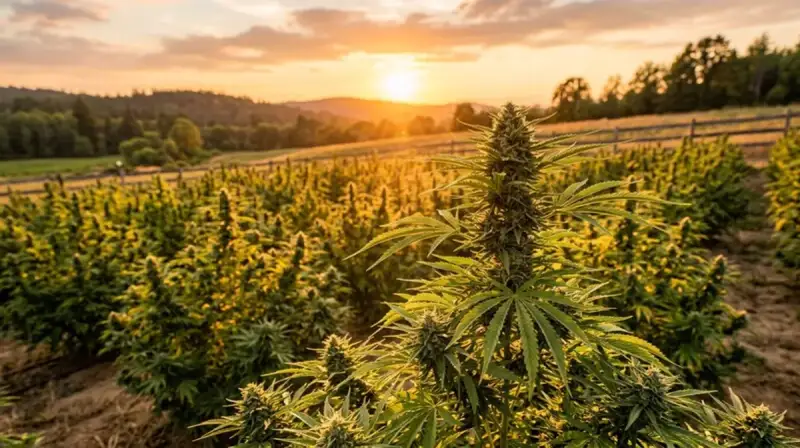
Cannabis sativa plant at golden sunset illustrating the uplifted effect
Cannabis Effects

Cannabis Uplifted Effect:
Mood Elevation Explained

The uplifted effect is one of the most sought-after cannabis experiences—a clean, energetic elevation of mood that brightens perspective without sedation. Driven by dopamine release in the mesolimbic reward system, serotonin activation via limonene, and prefrontal cortex disinhibition, it transforms how we experience social interactions, creative work, and everyday tasks.

Sativa-dominant Limonene / Terpinolene Low–Moderate THC Social & Creative
AK
Ann Karim — Cannabis Science Writer
Reviewed by ZenWeedGuide editorial team · Updated 2026-05-15
7 Key Findings
  1. THC triggers dopamine release in the VTA-to-nucleus-accumbens pathway, the brain’s primary reward and mood-elevation circuit.
  2. CB1 activation in the prefrontal cortex reduces rumination, quieting the self-critical inner voice that suppresses positive mood.
  3. Limonene independently activates 5-HT1A serotonin receptors, adding an antidepressant-like component to the uplifted profile.
  4. Sativa-dominant, limonene/terpinolene-dominant strains are the most reliable producers of the uplifted effect.
  5. Low-to-moderate THC (5–12 mg) maximises uplifted duration; higher doses increase anxiety risk without proportional mood benefit.
  6. The uplifted effect is transient (2–4 hours) and chemically distinct from clinical mania—it is dose-dependent and self-resolving.
  7. Practical applications include social events, creative work, mild situational depression, and morning or afternoon use.

The Mesolimbic Dopamine Pathway

The uplifted effect originates primarily in the mesolimbic dopamine system. Under normal conditions, the ventral tegmental area (VTA) produces dopamine that travels to the nucleus accumbens (NAcc), generating motivation, reward anticipation, and positive affect. This pathway is tightly regulated by GABAergic interneurons that prevent excessive dopamine release.

THC disrupts this regulation by activating CB1 receptors on those GABA interneurons, effectively removing the brake on dopamine release. The result is a surge of dopamine in the NAcc that produces the bright, optimistic mental state users describe as uplifted. The effect is qualitatively similar to natural reward experiences but triggered pharmacologically rather than through achievement or social bonding.

CB1 activation in the prefrontal cortex adds a second dimension: it reduces the rumination and self-critical thinking that suppresses positive mood in sober states. For users experiencing mild anxiety or low-grade negative self-talk, this prefrontal quieting can be experienced as significant mood improvement.

Uplifting Terpene Drivers

Terpene Primary Receptor Mood Mechanism Dose Note Key Strains
Limonene 5-HT1A (serotonin) Antidepressant-like, anxiety reduction Active at 0.3+ mg/g in flower Tangie, Lemon Skunk, Super Lemon Haze
Terpinolene CNS stimulant pathways Cerebral energy, mental brightness Higher concentrations = more stimulating Jack Herer, Durban Poison, XJ-13
Alpha-pinene Acetylcholinesterase inhibition Alertness, counters short-term memory impairment Synergistic with limonene Jack Herer, Strawberry Cough, Harlequin
Beta-Ocimene Not fully characterised Sweet, floral note; contributes to sativa brightness Often co-expressed with terpinolene Clementine, Golden Pineapple

Top Uplifted Cannabis Strains

Strain Type THC Dominant Terpenes Uplifted Character Best Use
Jack Herer Sativa 15–24% Terpinolene, caryophyllene, Ocimene Inspired, clear-headed uplift Creative work, morning use
Sour Diesel Sativa 19–25% Caryophyllene, myrcene, Limonene Energising cerebral uplift Focus tasks, social events
Tangie Sativa 19–22% Limonene, Myrcene, Caryophyllene Citrus-bright mood elevation Mood lift, afternoon use
Super Silver Haze Sativa 18–23% Myrcene, Caryophyllene, Limonene Long-lasting uplifted effect Extended creative sessions
Lemon Skunk Hybrid (Sativa-dominant) 15–22% Limonene, Caryophyllene, Myrcene Cheerful, social mood boost Social gatherings
Strawberry Cough Sativa 15–20% Myrcene, Caryophyllene, Pinene Social anxiety-reducing uplift Social anxiety, mild depression
Harlequin Sativa (high-CBD) 7–15% THC / 6–15% CBD Myrcene, Pinene, Caryophyllene Clear, functional uplift, minimal intoxication Daytime, microdosing
Cinex Hybrid (Sativa-dominant) 18–25% Terpinolene, Limonene, Myrcene Focused, cerebral mood elevation Work tasks, productivity
Durban Poison Sativa Landrace 15–20% Terpinolene, Myrcene, Ocimene Clean energy uplift, no crash Replacing stimulants, exercise
Green Crack Sativa 16–24% Ocimene, Myrcene, Caryophyllene Intense energy and mood lift High-output work, exercise

Mood Elevation vs. Anxiety Risk: The Balance

The uplifted effect and anxiety share the same neural origin—amygdala activation and dopamine surge. At optimal doses with the right strain, these produce positive mood elevation. When dose exceeds tolerance or the strain chemistry shifts toward high THC without balancing terpenes, the amygdala response can tip into anxiety rather than euphoria.

Factor Favours Uplifted Favours Anxiety
Dose 5–10 mg THC >15 mg THC (low tolerance)
Terpene profile Limonene, Terpinolene dominant No limonene, high myrcene only
CBD content 1:1 THC:CBD or CBD present THC-only, zero CBD
Setting Familiar, comfortable environment High-stress, unfamiliar, high-stakes
Consumption method Inhaled (controlled onset) Edibles (delayed, strong, unpredictable)

Practical Applications of the Uplifted Effect

The uplifted effect is uniquely suited to several specific use contexts:

Cannabis Mood & Dopamine: The Science

Related Guides

Share:
ZW
ZenWeedGuide Editorial
Reviewed by our editorial team — cannabis researchers, policy analysts, and medical writers with expertise across clinical research, dispensary operations, and US cannabis law. Content is fact-checked and updated regularly.