





- Edibles typically take 45–90 minutes to produce noticeable effects; slow metabolizers may wait up to 3 hours — patience is critical to avoiding overdose.
- Peak effects generally occur 2–4 hours after consumption; total duration for a 10mg dose is typically 4–8 hours.
- The liver converts delta-9-THC into 11-hydroxy-THC (11-OH-THC), a metabolite significantly more potent and longer-acting than inhaled THC.
- Body weight, metabolic rate, food intake, CYP2C9 genetic variation, and tolerance all significantly affect how long edibles last in any individual.
- The most common edibles mistake: taking a second dose because “it’s not working” after 60 minutes — then experiencing a powerful combined effect 2–3 hours later.
- CBD edibles have a different and less psychoactive duration profile; most users report effects lasting 4–6 hours, with no euphoria component.
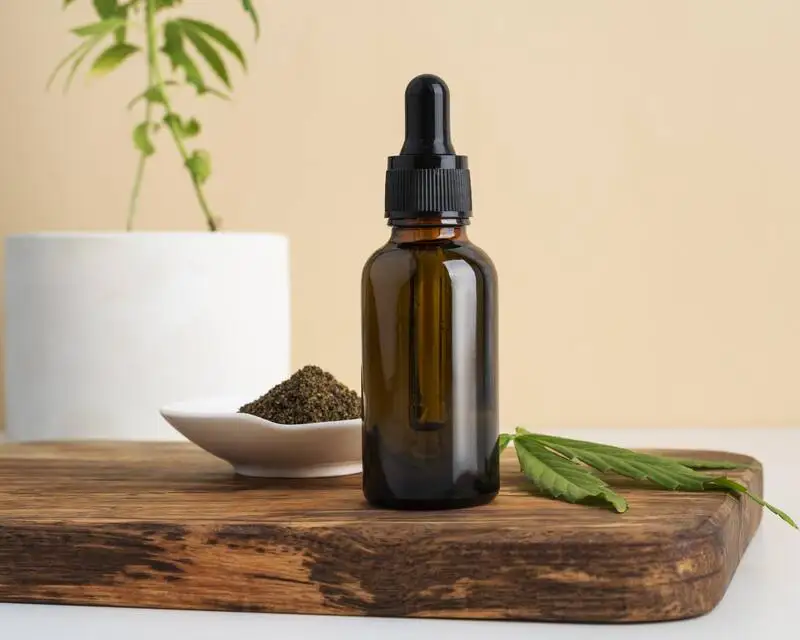
- Sublingual tinctures absorb partly through oral mucosa, producing faster onset (15–45 min) and shorter duration than true digestive edibles.
Why Edibles Are Fundamentally Different From Inhaled Cannabis
Of all the methods of consuming cannabis, edibles are the most commonly misunderstood — and the most frequently responsible for overwhelming first experiences. The reason is biochemistry: when you eat a cannabis-infused product, the THC travels through your digestive system to your liver before entering your bloodstream and brain. This route — called the first-pass metabolic pathway — transforms delta-9-THC into a different compound entirely: 11-hydroxy-THC (11-OH-THC).
When you inhale cannabis smoke or vapor, delta-9-THC absorbs directly through the lungs into the bloodstream, reaching the brain within seconds to minutes. This produces rapid, predictable onset. The THC that eventually reaches the liver gets metabolized there too, but in much smaller quantities because most of it has already circulated and partially cleared before liver processing. With edibles, essentially all the THC goes through hepatic (liver) first-pass metabolism, creating large quantities of 11-OH-THC.
This distinction matters enormously because 11-OH-THC has different properties than delta-9-THC. It crosses the blood-brain barrier more efficiently, it produces longer-lasting effects, and many users report that the character of the high — more body-heavy, more sedating, more introspective — differs qualitatively from the more cerebral, social high of inhaled cannabis. Understanding this mechanism explains why edibles “hit different” and why dosing protocols differ significantly. For a broader look at consumption methods and their comparative effects, see our consumption methods explainer.
First-Pass Metabolism: The Liver’s Role
When you eat an edible, here is the sequence of events: the cannabis-infused food or capsule enters your stomach, where it begins breaking down. THC, being fat-soluble, is absorbed through the intestinal wall alongside dietary fats and enters the portal circulation — the blood supply that goes directly to the liver. In the liver, CYP450 enzymes (particularly CYP3A4 and CYP2C9) metabolize delta-9-THC into 11-OH-THC. This 11-OH-THC then enters the general bloodstream and crosses the blood-brain barrier to produce psychoactive effects.
The critical variables in this process are the speed of gastric emptying (how quickly food leaves the stomach), the rate of intestinal absorption, and the enzymatic activity in the liver. These variables differ substantially between individuals based on genetics, body composition, and recent food intake — which is why two people eating the identical edible from the same package can have dramatically different experiences in terms of onset time, intensity, and duration.
Onset Timeline: How Long Until Edibles Kick In
Onset time is the single biggest source of edible misadventures. The expectation most new users bring — that cannabis effects should be felt within 5–15 minutes as with smoking — is simply incorrect for oral consumption. Understanding the realistic onset window, and the factors that extend or shorten it, is foundational to safe edible use.
Typical Onset: 45 to 90 Minutes
Under normal conditions — consuming on a partially-filled stomach, with typical metabolic function — most people begin to notice the effects of an edible within 45 to 90 minutes. The first sensations are usually subtle: a slight warmth, relaxation, or shift in perception. These can be easy to miss for inexperienced users, particularly if they are expecting the more immediate and obvious onset of inhaled cannabis. The effects then build over the next 30–60 minutes toward peak intensity.
Extended Onset: Up to 2–3 Hours
For slow metabolizers, individuals who consumed a large or high-fat meal before the edible, or those with naturally slower gastric motility, onset can be delayed to 2 to 3 hours. This extended timeline is well-documented in clinical research and is the primary reason the “start low, go slow” principle is so important with edibles. Slow metabolizers — often identified by genetic variants in the CYP2C9 enzyme — process THC more slowly at every step of the metabolic chain, extending both onset and duration.
Why Food Intake Matters for Onset
The presence of food in the stomach when you consume an edible dramatically affects how quickly you feel effects. Consuming on an empty stomach often accelerates onset because the cannabis product moves quickly to the small intestine for absorption. Consuming after a large fatty meal typically delays onset because gastric emptying is slower — everything in the stomach processes more slowly. Interestingly, high-fat meals can also increase total THC absorption (bioavailability), potentially making the eventual effect stronger even if it takes longer to arrive. Cannabis is highly lipophilic (fat-soluble), and dietary fats in the gut facilitate its absorption through the intestinal wall.
Peak Effects and Total Duration by Dose
Understanding the full time profile of an edible — from onset through peak to comedown — allows users to plan their consumption timing appropriately. The following information is based on clinical pharmacokinetic studies and aggregated user data. Individual variation is significant; these represent typical ranges, not precise predictions for any individual.
| THC Dose | Onset | Peak Effects | Total Duration | Who It’s For |
|---|---|---|---|---|
| 1–2.5 mg | 45–90 min | 2–3 hours | 2–4 hours | Micro-dosers, first-timers, seniors |
| 5 mg | 45–90 min | 2–3.5 hours | 4–6 hours | Beginners, low-tolerance users |
| 10 mg | 45–90 min | 2–4 hours | 4–8 hours | Recreational standard (CA/CO standard serving) |
| 25 mg | 60–120 min | 2–5 hours | 6–10 hours | Experienced users, medical patients |
| 50 mg | 60–120 min | 3–6 hours | 8–12 hours | High-tolerance users, medical (pain/sleep) |
| 100 mg+ | 60–180 min | 4–8 hours | 10–24 hours | Very high tolerance; significant overdose risk for non-habituated users |
Note: 10mg is the legal standard serving size in regulated markets including California and Colorado. Durations represent typical ranges; individual experience varies significantly.
The Peak: What to Expect at Maximum Intensity
The peak of an edible experience typically occurs 2–4 hours after consumption. For many users, this is characterized by deep physical relaxation, heightened sensory perception, altered time perception, and — at higher doses — strong sedation. The cognitive effects of 11-OH-THC at peak can feel more “body” and less “head” compared to inhaled cannabis. Memory impairment and difficulty concentrating are more pronounced at peak than during the onset or comedown phases.
For users taking edibles for sleep, the peak often coincides with falling asleep naturally, with the prolonged duration helping maintain sleep through the night. For users taking edibles for pain management, the peak is when analgesic effects are strongest. For recreational users, planning activities around the peak — and ensuring you’re in a comfortable, low-stress environment during this phase — is important for a positive experience. See related strains commonly used in edibles, like Northern Lights and Granddaddy Purple, which are popular indica choices for high-dose products.
Factors That Affect How Long Edibles Last
No two people metabolize THC identically. The duration and intensity of edible effects vary significantly based on a constellation of biological, behavioral, and pharmacological factors. Understanding these variables is key to personalizing your edible experience.
Body Weight and Composition
THC is highly lipophilic — it preferentially binds to fat tissue. Individuals with higher body fat percentage may experience longer duration effects because THC is sequestered in fat cells and released gradually back into the bloodstream over time. This is also why regular, heavy cannabis users can test positive for THC metabolites for weeks after their last use — THC stored in fat tissue continues to release. Leaner individuals with lower body fat may experience more acute but shorter-lasting effects from the same dose.
Metabolic Rate and CYP2C9 Genetics
The rate at which your liver processes THC depends in part on the activity of cytochrome P450 enzymes, particularly CYP2C9 and CYP3A4. Genetic variants of CYP2C9 are well-documented — some individuals carry “poor metabolizer” variants that process THC much more slowly, resulting in both delayed onset and prolonged duration. These same genetic variants affect how people metabolize many medications, including warfarin, ibuprofen, and some antidepressants. If you are a slow metabolizer of any of these drugs, you may also be a slow metabolizer of THC. Conversely, “rapid metabolizer” variants produce faster onset and shorter duration.
Tolerance
Regular cannabis users develop tolerance through downregulation of CB1 receptors — the brain reduces the number of available receptor sites in response to repeated THC stimulation. For habituated users, the same dose that would incapacitate a first-timer produces only mild or moderate effects. Duration is also compressed in high-tolerance users because their systems process and clear THC more efficiently. Conversely, users who have taken a tolerance break of 2–4 weeks may find their edible sensitivity approaches that of a first-time user.
Food in the Stomach
As discussed above, whether you have eaten before consuming an edible significantly affects timing. Beyond just onset speed, the total fat content of food consumed alongside or before the edible affects bioavailability: high-fat meals increase total THC absorption, potentially making the effect both longer and stronger. Some edibles manufacturers specifically formulate their products with fat-soluble carriers (coconut oil, butter, MCT oil) to maximize absorption regardless of stomach contents.
The Re-Dosing Mistake: The Most Common Edible Error
If there is one piece of information every edibles consumer needs to know, it is this: do not re-dose because you think it’s not working. This is the most commonly reported cause of overwhelmingly intense edible experiences, and it is entirely preventable.
The scenario plays out like this: a person takes a 10mg edible. Ninety minutes later, they feel nothing or very little. They conclude the edible was “weak” or “didn’t work.” They take another 10mg. Approximately 1–2 hours later, the effects of the first dose finally arrive, followed shortly by the second dose. Instead of 10mg, they are now experiencing the combined effect of 20mg — often producing anxiety, paranoia, extreme sedation, nausea, and disorientation, especially in inexperienced users.
The rule universally recommended by cannabis clinicians and experienced users: wait a minimum of 2 hours before considering re-dosing, and ideally 3–4 hours if you have not previously used edibles. If you still feel nothing at 3 hours, a small additional dose (2.5–5mg) may be appropriate. If you feel anything at all — any warmth, relaxation, altered perception — this indicates the edible is active and you should wait for peak effects. Related reading: cannabis dosing guide and how to dose cannabis.
What to Do If You’ve Taken Too Much
Cannabis overconsumption from edibles is not medically dangerous for healthy adults — there are no documented fatal overdoses from cannabis alone — but it can be extremely uncomfortable and frightening. If you have consumed too much, the most effective response is:
- Find a comfortable, familiar, safe physical space
- Remind yourself consciously that the effects are temporary and will pass completely
- Stay well-hydrated with water or non-caffeinated beverages
- Avoid additional stimulants including caffeine and alcohol
- Try CBD if available — CBD is widely reported to partially counteract THC-induced anxiety, and some research supports this mechanism
- Black pepper, lemon zest, or pine nuts contain terpenes (caryophyllene, limonene, alpha-pinene) that some users report provide relief
- Sleep is often the fastest path through an overwhelming edible experience
CBD Edibles vs THC Edibles: Duration Comparison
CBD (cannabidiol) edibles follow a broadly similar pharmacokinetic pathway to THC edibles — oral ingestion, intestinal absorption, first-pass liver metabolism — but the subjective experience and relevant duration differ substantially because CBD is not psychoactive.
| Property | THC Edibles | CBD Edibles |
|---|---|---|
| Primary mechanism | CB1/CB2 receptor agonist | Multiple: TRPV1, 5-HT1A, GPR55; no direct CB1 agonism |
| Psychoactive? | Yes — euphoria, altered perception | No — calm, relaxation without intoxication |
| Onset time | 45–90 min (up to 3 hr) | 30–90 min |
| Peak effects | 2–4 hours post-ingestion | 1.5–3 hours post-ingestion |
| Total duration (typical dose) | 4–8 hours (10mg) | 4–6 hours (20–50mg) |
| Main reported effects | Euphoria, relaxation, sedation, altered perception | Calm, mild anxiety relief, reduced muscle tension |
| Drug test concern? | Yes — THC metabolites detectable | Possible with high doses of CBD (cross-reactivity) |
CBD bioavailability from oral ingestion is relatively low — studies suggest 6–19% oral bioavailability for CBD compared to higher rates for inhaled delivery. This means the dose in a CBD gummy or capsule that actually reaches systemic circulation is only a fraction of what the label states. Some manufacturers formulate CBD edibles with nano-emulsification or lipid-based delivery systems to improve bioavailability. For full detail on how CBD works in the body, see our CBD explainer.
WATCH: Edibles Science and Dosing Guide