










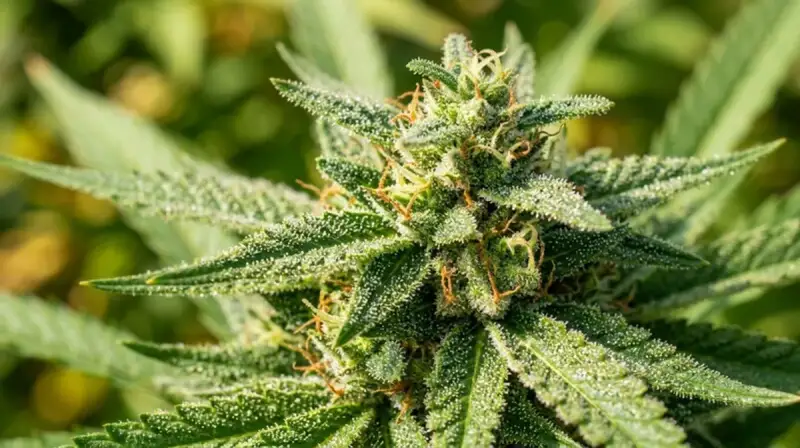
- California Orange (Cal-O) emerged from the California cannabis breeding scene in the 1980s — exact genetics are unknown but consistent phenotypic traits (orange scent, moderate THC, balanced effects) have preserved the variety across decades.
- Lower THC (14–18%) than modern elite strains — this makes it exceptionally approachable for beginners and moderate users while still delivering satisfying effects.
- One of the most distinctively orange-scented strains in the cannabis world — unusually high limonene and ocimene expression creates fresh citrus peel rather than processed candy orange aroma.
- Balanced hybrid effects: mood-lifting happiness and gentle euphoria with mild physical relaxation — suitable for daytime, social situations, or mild evening use.
- One of the easiest strains to grow — compact, forgiving, excellent mold resistance, fast 8-week flowering — ideal first strain for new home growers.
- Popular in 1980s–90s California dispensary market and Dutch coffee shops (as “California Orange Bud”) — a heritage variety with commercial appeal before the exotic genetics era.
- Great medical strain for beginners: stress, mild anxiety, mood enhancement without strong sedation or THC overload risk.
Overview & Genetics: A California Heritage Variety
California Orange — known widely as Cal-O or California Orange Bud — is one of cannabis culture’s most enduring heritage varieties. Unlike most strains whose lineage can be precisely documented, California Orange’s exact genetic parentage has been lost to the informal and underground nature of 1980s California cannabis breeding. What is known is that it carries consistent characteristics that have been reliably reproduced for over four decades: a 50/50 hybrid balance, a pronounced fresh orange aroma, moderate THC, and easy-growing traits.
The most plausible genetic theories point to a cross involving California Orange Bud — a sativa-leaning variety associated with California’s outdoor cultivation regions — and an unknown indica, likely selected for accelerated flowering and compact growth. Whatever the precise parentage, the result is a strain with remarkable phenotypic stability given its unrecorded origins. The orange scent has remained consistent across generations of cultivation, which speaks to the dominance of its limonene and ocimene genetic expression.
In the Netherlands, California Orange became popular in the 1980s and 90s as “California Orange Bud,” distributed through Dutch coffee shops. This gave it international exposure that helped preserve the genetics commercially at a time when the California underground market had no formal preservation mechanisms. The Dutch version (commercialized by Dutch Passion as Californian Orange) is a closely related but independently developed line — similar inspiration, distinct genetics.
Effects Profile
California Orange’s balanced hybrid genetics produce effects that are gentle on onset and pleasant in character without the intensity of modern high-THC strains. The mood-lifting happiness that arrives first is the dominant note throughout, creating an experience well-suited to social and everyday contexts. Explore our cannabis effects library for detail on each effect type.
| Effect | Intensity | Onset | Notes |
|---|---|---|---|
| Happiness | High | 5–10 min | Dominant throughout; sociable, warm mood lift |
| Euphoria | Moderate–High | 5–15 min | Gentle, accessible; not overwhelming |
| Relaxation | Moderate | 15–30 min | Mild body warmth; non-sedating at standard doses |
| Creativity | Moderate | 10–20 min | Light creative boost; good for casual creative work |
| Energy | Moderate | 5–15 min | Functional uplift; suitable for daytime activities |
| Sedation | Low | 45–90 min | Only at high doses; generally not sedating |
Terpene Profile
The terpene profile of California Orange is defined by the limonene-ocimene pairing that creates its characteristic aroma. Ocimene is relatively rare as a dominant terpene in popular strains, which contributes to Cal-O’s distinctive citrus character: it’s fresh and natural rather than candy-sweet. Myrcene provides earthy depth and mild sedative contribution, while terpinolene adds a lighter floral note to round out the profile.
| Terpene | Typical % | Aroma Note | Primary Effect |
|---|---|---|---|
| Limonene | 0.48% | Orange peel, fresh citrus | Mood elevation, stress reduction |
| Ocimene | 0.31% | Fresh, herbal, sweet citrus | Uplifting, decongestant properties |
| Myrcene | 0.22% | Earthy, musky, mango | Sedation, muscle relaxation |
| Terpinolene | 0.18% | Piney, floral, herbaceous | Uplifting, mildly sedative |
| Alpha-Pinene | 0.12% | Pine, fresh forest | Mental clarity, bronchodilation |
Flavor & Aroma
The aroma of California Orange is immediately approachable and universally recognizable: fresh orange peel, light and clean, without the artificial sweetness that characterizes many modern citrus strains. There is a herbal, slightly woody undertone from ocimene and pinene that anchors the citrus and prevents it from becoming one-dimensional. Breaking the bud releases a more intense wave that adds a gentle earthiness from myrcene.
On the palate, California Orange is smooth and pleasant. The flavor is softer than the aroma suggests — the citrus note is present on the inhale, transitioning to a mild sweetness on the mid-palate, and finishing clean with minimal harshness. This approachable flavor profile contributes to its reputation as an excellent beginner strain — it is not challenging to consume and delivers an immediately pleasant sensory experience that encourages continued exploration of cannabis flavors.
Growing Guide
California Orange is among the most forgiving and rewarding strains for new growers. Its compact structure, mold resistance, and fast 8-week flowering make it an ideal first cultivation experience. The plant handles temperature fluctuations and minor feeding mistakes better than most modern genetics, which were often selected for potency at the expense of resilience. Explore our full beginner growing guide for setup advice.
| Parameter | Indoor | Outdoor |
|---|---|---|
| Difficulty | Easy | |
| Yield | 400–500 g/m² | 500–700 g/plant |
| Height | 90–130 cm | 120–160 cm |
| Flowering Time | 8 weeks | Early October |
| Climate | Versatile; 18–26°C | Temperate to Mediterranean |
| Mold Resistance | Excellent | Excellent |
| Training | Minimal required | Natural growth acceptable |
The plant’s versatility extends to growing medium — it performs well in soil, coco, or light hydroponic systems without demanding the precise environmental control that elite genetics require. Nutrient requirements are moderate and straightforward. The 8-week flowering period means quicker turnaround for indoor growers, and the outdoor harvest in early October avoids the autumn wet weather that threatens late-finishing strains in temperate climates.
Medical Uses
California Orange’s moderate THC and balanced profile make it one of the better options for cannabis-naïve medical users exploring cannabis for the first time. The lower THC ceiling reduces the risk of anxiety-triggering overconsumption, while the mood-lifting limonene-dominant profile addresses the most common medical motivations: stress relief and mood support.
Primary reported medical applications include stress management (the dominant use case), mild anxiety relief at low doses, and depression symptom support via mood elevation. The balanced effects and lack of strong sedation make it suitable for daytime medical use. Patients seeking potent pain relief or insomnia treatment may find stronger indica options more appropriate. Always consult a licensed healthcare provider before using cannabis medicinally.
Similar Strains
California Orange shares traits with several strains across the citrus-hybrid and heritage-genetics categories. See also the Dutch-bred variant Californian Orange (Dutch Passion) — a distinct but related genetic line. Explore our strain comparison tool for side-by-side analysis.
| Strain | Type | THC | Shared Trait | Key Difference |
|---|---|---|---|---|
| Californian Orange | Hybrid | 16–19% | Orange genetics, citrus aroma | Dutch Passion breeding, European market focus |
| Tangie | Sativa | 19–22% | Citrus-dominant terpenes | More sativa, higher THC |
| Orange Bud | Hybrid | 16–19% | Heritage orange genetics, Dutch origin | Similar era and market positioning |
| Haze | Sativa | 18–22% | 1970s–80s California heritage | More sativa-cerebral, longer flowering |
| Clementine | Sativa Hybrid | 17–22% | Citrus profile, uplifting | More energetic, modern breeding |