






Hemp classification: Charlotte’s Web contains less than 0.3% THC and qualifies as industrial hemp under the US 2018 Farm Bill. It is non-intoxicating and federally legal in the United States. This page contains medical history and scientific information. It is not a substitute for medical advice.
Charlotte’s Web: The Strain That Changed Medical Cannabis History
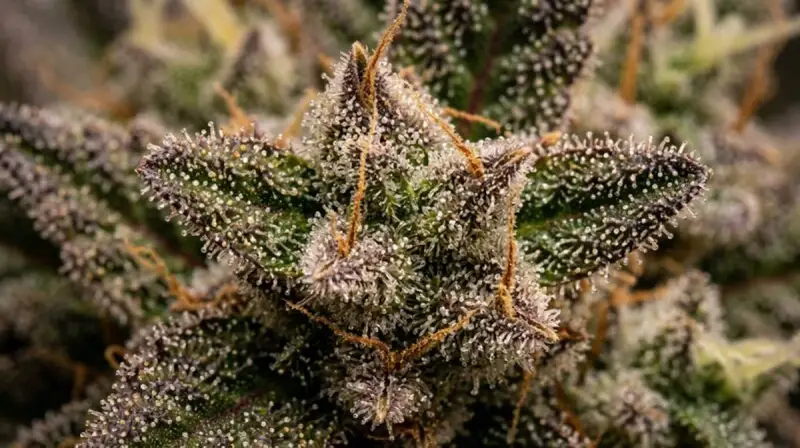
Charlotte’s Web is one of the most historically significant cannabis cultivars ever developed — not for its potency or recreational appeal, but for what it represents in the medical and legal history of cannabis in America. Developed by the Stanley Brothers in Colorado from a cross of an unknown hemp cultivar with a high-CBD cannabis phenotype, it was created specifically for Charlotte Figi, a child with Dravet syndrome who was experiencing approximately 300 seizures per month. The dramatic reduction in Charlotte’s seizure frequency following treatment with a high-CBD, low-THC extract — from hundreds per month to roughly two to three — became the centrepiece of Dr. Sanjay Gupta’s Weed documentary on CNN in 2013. That documentary is widely credited with shifting mainstream American public opinion on medical cannabis and accelerating the legislative environment that led to the 2018 Farm Bill. At 15–20% CBD and less than 0.3% THC, Charlotte’s Web is non-intoxicating, federally legal as hemp, and the parent brand of one of the largest hemp-CBD companies in the United States.
- Genetics: Unknown hemp cultivar × high-CBD cannabis phenotype (Stanley Brothers, Colorado)
- CBD Range: 15–20% | THC: <0.3% (federally legal hemp)
- Top Terpenes: Myrcene, Caryophyllene, Pinene
- Effects: Non-intoxicating; calming, focused, mild anti-inflammatory
- Medical Heritage: Developed for Charlotte Figi (Dravet syndrome); CNN documentary 2013
- Primary Medical Use: Epilepsy (Dravet syndrome), anxiety, inflammation, chronic pain
- Legal Status: Federally legal hemp (US), widely legal globally as CBD product
- Related Pharmaceutical: Epidiolex (GW Pharma) — FDA-approved CBD drug for Dravet syndrome
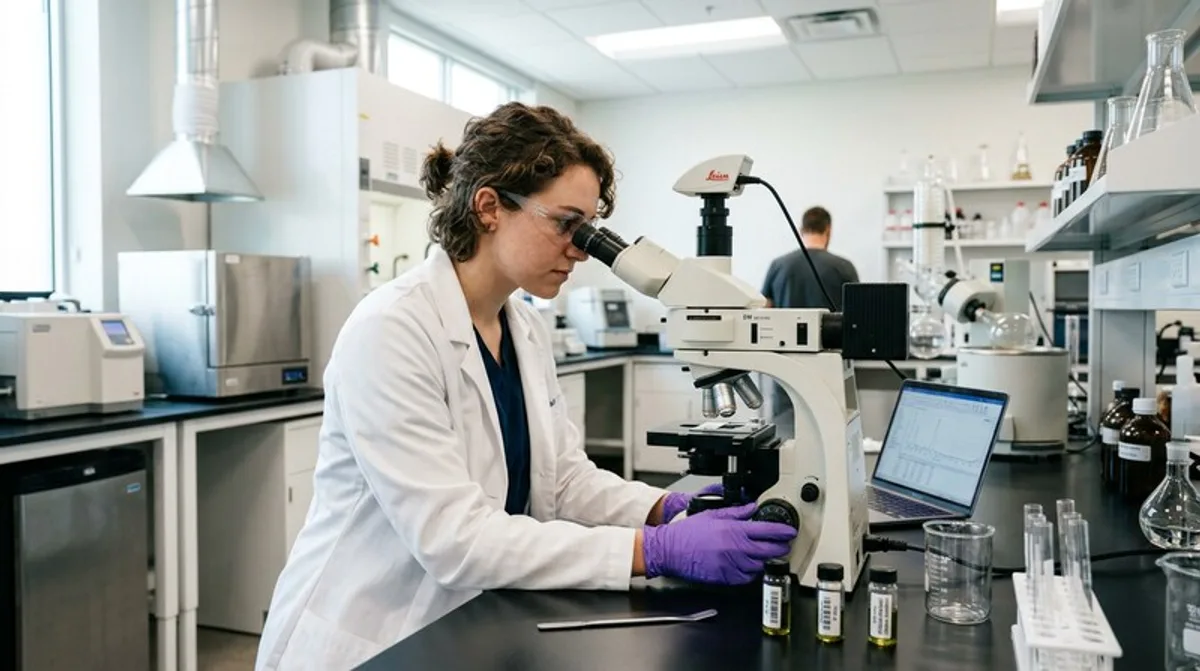
Cannabis pharmacology primer — how CBD interacts with the endocannabinoid system and voltage-gated ion channels in epilepsy.
Historical Timeline: From Charlotte Figi to the Farm Bill
The history of Charlotte’s Web is inseparable from the broader history of medical cannabis policy in the United States. The timeline below documents the key events from Charlotte Figi’s diagnosis through the federal hemp legalisation that Charlotte’s Web indirectly helped make possible.
| Year | Event | Significance |
|---|---|---|
| 2006 | Charlotte Figi born in Colorado Springs, CO | Diagnosed with Dravet syndrome at age 3 months; onset of severe seizures |
| 2011 | Stanley Brothers begin high-CBD breeding programme | Unknown hemp × high-CBD phenotype cross; originally called “Hippie’s Disappointment” (too little THC for recreational use) |
| 2012 | Charlotte Figi begins treatment with high-CBD extract | Seizure frequency drops from ~300/month to ~2–3/month; strain renamed Charlotte’s Web |
| 2013 | CNN documentary Weed by Dr. Sanjay Gupta airs | Viewed by tens of millions; fundamentally shifted US public opinion on medical cannabis; Gupta publicly reversed his prior opposition to medical cannabis |
| 2014 | Colorado passes “Charlotte’s Web bill” (HB 1032) | First state law specifically legalising high-CBD, low-THC cannabis for children with epilepsy; 17+ states followed with similar laws by 2016 |
| 2018 (June) | FDA approves Epidiolex (GW Pharmaceuticals) | First FDA-approved cannabis-derived drug; indicated for Dravet syndrome and Lennox-Gastaut syndrome |
| 2018 (December) | Agriculture Improvement Act (2018 Farm Bill) signed | Hemp (THC <0.3%) removed from Controlled Substances Act; Charlotte’s Web hemp products become federally legal nationwide |
| 2019 | Charlotte’s Web Holdings IPO on Toronto Stock Exchange | Stanley Brothers company becomes publicly traded; Charlotte’s Web brand valued at ~$1.8B at peak |
| 2020 | Charlotte Figi passes away (April, age 13) | Complications from COVID-19; tributes worldwide recognised her role in transforming medical cannabis access for children |
High-CBD Epilepsy Strains: Comparative Analysis
Charlotte’s Web is the most historically prominent high-CBD strain in medical cannabis, but it exists within a broader category of high-CBD cultivars and extracts used in epilepsy management. The following comparison covers the four strains most commonly cited in medical cannabis epilepsy contexts, including available clinical and observational evidence.
| Strain | CBD% | THC% | Origin | Epilepsy Evidence | Legal Status (US) |
|---|---|---|---|---|---|
| Charlotte’s Web | 15–20% | <0.3% | Stanley Brothers, CO | Observational (Charlotte Figi); parent of clinical CBD research; no RCT on strain specifically | Federal hemp (legal) |
| ACDC | 14–20% | <1% | Cannatonic phenotype (Resin Seeds, Spain) | Observational case reports; Cannatonic parent has small-scale studies | Dispensary (non-hemp states) / hemp phenos |
| Sour Tsunami | 10–11% | 6–10% | Lawrence Ringo, SoCal (Sour Diesel × NYC Diesel) | Observational; first well-documented “equal ratio” medical CBD strain | Medical dispensary states |
| Ringo’s Gift | 10–24% (variable) | 1–6% | Lawrence Ringo (ACDC × Harle-Tsu) | Observational; developed specifically for neuroprotective use | Medical dispensary states |
Epidiolex FDA Approval vs. Hemp CBD: Key Distinctions
A critical distinction in the Charlotte’s Web medical narrative is the difference between the Charlotte’s Web hemp product (an unregulated food supplement or CBD extract) and Epidiolex (a pharmaceutical-grade, FDA-approved CBD drug). The two are related historically but are fundamentally different products with different regulatory frameworks, evidence bases, and clinical applications.
| Factor | Epidiolex (GW Pharma / Jazz Pharma) | Charlotte’s Web Hemp CBD |
|---|---|---|
| Regulatory status | FDA-approved prescription drug (Schedule V, 2018) | Hemp food supplement / OTC CBD product |
| CBD concentration | 100mg/mL (pharmaceutical standard) | Variable; 17–50mg/mL depending on product |
| Evidence level | Phase III RCTs (Devinsky 2017, 2018); N=225–516 | Case reports, observational data, patient surveys |
| Approved indications | Dravet syndrome, Lennox-Gastaut syndrome, TSC (2020) | No approved indications (supplement, not drug) |
| Seizure reduction | ~41–44% reduction vs. placebo in RCTs (Dravet) | Charlotte Figi: ~99% reduction (single case; no controls) |
| Source | GW Pharma proprietary Cannabis sativa extract | Charlotte’s Web Holdings hemp cultivar |
| Insurance coverage | Covered by most US insurance (Medicaid/Medicare in many states) | Not covered by insurance |
How CBD Works: Pharmacological Mechanisms
Unlike THC, which acts primarily as an agonist at CB1 receptors, CBD has a complex, multi-target pharmacology. Its anti-seizure effects are not primarily mediated by the endocannabinoid system. CBD acts as a negative allosteric modulator at CB1 receptors (reducing THC’s intoxicating effects without blocking them), but its most clinically significant mechanisms for epilepsy include:
- Voltage-gated sodium channel inhibition: CBD inhibits Nav1.1 and Nav1.6 channels, reducing neuronal hyperexcitability — the primary mechanism underlying its anticonvulsant effect
- TRPV1 activation: Reduces inflammatory pain signalling and may contribute to anxiolytic effects
- 5-HT1A agonism: Serotonin receptor activation contributes to anti-anxiety and antidepressant effects
- GPR55 antagonism: May contribute to anti-seizure effects through a separate receptor pathway
- Adenosine reuptake inhibition: Increases adenosine availability, contributing to anti-inflammatory and neuroprotective effects
The terpene profile of Charlotte’s Web — particularly myrcene and pinene — may contribute additive anti-inflammatory and neuroprotective effects through the entourage mechanism, though evidence for this in epilepsy specifically is preliminary.
Cultivation Specifications
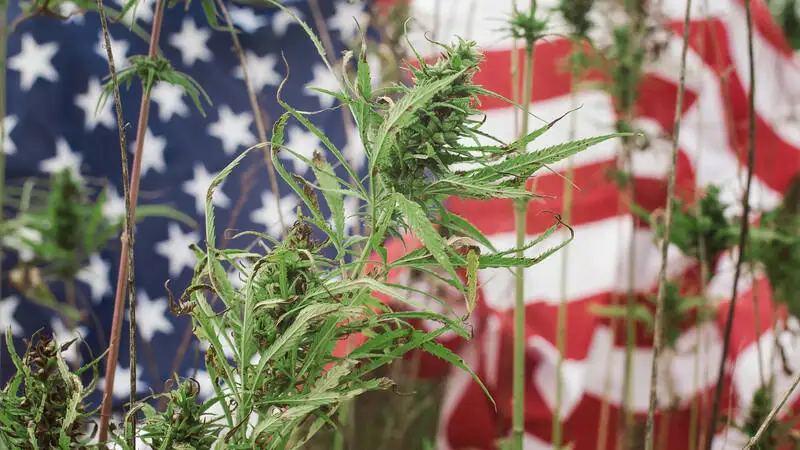
Charlotte’s Web is cultivated as an industrial hemp crop, optimised for CBD yield rather than traditional cannabis growing metrics. The Stanley Brothers operate large-scale outdoor hemp farms in Colorado, where the high-altitude, UV-rich environment is well-suited to cannabinoid and terpene production. Outdoor cultivation is preferred over indoor for both economic reasons and because natural light cycles and stress promote CBD synthesis.
| Parameter | Outdoor (Primary) | Greenhouse | Notes |
|---|---|---|---|
| Cultivation Type | Industrial hemp (agricultural) | Possible at smaller scale | Requires hemp licence (state + federal) |
| Harvest Window | Late September – October | September | Harvest at peak CBD, before THC conversion |
| CBD Yield | Up to 4,500g CBD/acre | Variable | Commercial operations; proprietary genetics required |
| Height | 100–200cm | 80–150cm | Hemp grows taller than cannabis; dense canopy |
| THC Compliance | Must test <0.3% THC at harvest | Same | Hot plants (>0.3%) must be destroyed; testing mandatory |
| Pest/Disease | Botrytis, powdery mildew, hemp russet mite | Same | Organic IPM preferred for medical-grade extract |
| Legal Requirement | State hemp licence + USDA registration | Same | Seed certification required in most states |
Related Medical & Legal Resources
- Cannabis for Epilepsy — full medical guide including clinical trial data and patient experiences
- Cannabis for Anxiety — CBD vs. THC for anxiety management
- THC vs. CBD: Complete Guide — pharmacology, legal status, and effect differences
- What Are Cannabinoids? — CB1/CB2, CBD mechanisms, COA reading guide
- Colorado Cannabis Laws — where Charlotte’s Web was developed
Compare Charlotte’s Web
See how Charlotte’s Web compares to ACDC, Sour Tsunami, and other high-CBD strains.
Browse all strain comparisons →