All 50 states: recreational, medical-only, and illegal — possession limits, home grow rules, excise taxes, and program details.
Cannabis legalization in the United States has proceeded state by state since Colorado and Washington became the first recreational states in 2012. Today 24 states have recreational programs, roughly 14 have medical-only programs, and approximately 12 retain full prohibition. Federal law has not changed: cannabis remains Schedule I regardless of state status. This guide covers every state’s current status with possession limits, home grow rules, and links to detailed state pages.
Federal vs. State Law: State legalization does not override federal law. Cannabis on federal property (national parks, post offices, military bases), in airports, or transported across state lines remains a federal crime. Employment drug testing, federal housing benefits, student loans, and firearms purchases are governed by federal law. Always know both your state law and any applicable federal context.
Quick Status Overview
24
Recreational States
+ Washington D.C.
~14
Medical-Only States
Card required
~12
Still Illegal
Full prohibition
1 oz
Average Possession Limit
Recreational states
Cannabis Legalization Map
Click any state pin for details. Green = Recreational • Orange = Medical • Red = Illegal
Recreational States: Key Facts
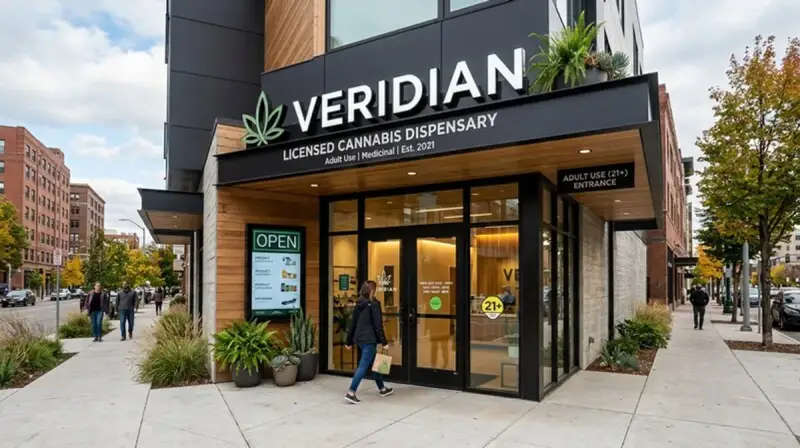
In recreational states, any adult 21+ can purchase cannabis from a licensed dispensary with a valid government-issued photo ID. No medical card, no registration, no prior qualifying condition. The typical framework: 1 oz possession limit in public, 2–6 plants home grow, licensed retail with state excise tax of 10–37%.
Table shows selected states. Click any state name for full details including medical program, dispensary info, and penalties.
Medical-Only States: How to Qualify
Medical cannabis programs require patients to register with the state, obtain a physician recommendation, and receive a state-issued medical card. The qualification process, qualifying conditions, and card costs vary significantly by state. Some states have expansive lists of qualifying conditions including anxiety and chronic pain; others restrict access to severe conditions like cancer, epilepsy, and ALS.
Approximately 12 states retain full criminal prohibition of cannabis with no medical program or only a very limited low-THC/CBD program. Even in fully illegal states, some cities have passed decriminalization ordinances reducing penalties for small possession to a civil fine rather than a criminal charge — but state law still applies to arrests and prosecutions.
Criminal penalties vary widely. Idaho and Wyoming have among the harshest penalties; a first-offense felony possession charge is possible for amounts above small thresholds. Nebraska and North Carolina have decriminalized small amounts at the state level while keeping larger possession criminal. Kansas has no medical program and prosecutes all possession.
Recent Changes and Momentum
The pace of state-level legalization has accelerated since 2020. Minnesota and Ohio legalized recreational cannabis in 2023. Delaware and Maryland launched retail sales. Several states including Pennsylvania, Florida, and North Carolina have had legalization measures under active consideration.
Federal rescheduling to Schedule III was proposed by the DEA in 2024, which would reduce federal criminal penalties but not change state law. Full federal legalization would require an Act of Congress and remains uncertain. Until federal law changes, banking restrictions, interstate commerce bans, and federal employment consequences continue regardless of state programs.
Medical Card Reciprocity Between States
Some states accept out-of-state medical cannabis cards, allowing registered patients to purchase at in-state dispensaries without a local card. States offering reciprocity include: Arkansas, Hawaii, Maine, Michigan, Missouri, Nevada, Oklahoma, and Washington D.C. Each has different rules about what documentation is accepted and what purchase limits apply.
Most states do not offer reciprocity. If you are a medical patient traveling to a recreational state, you can simply purchase as a recreational customer (if 21+). If traveling to a medical-only state with no reciprocity, you cannot legally purchase without a local card.